
Companion Plants
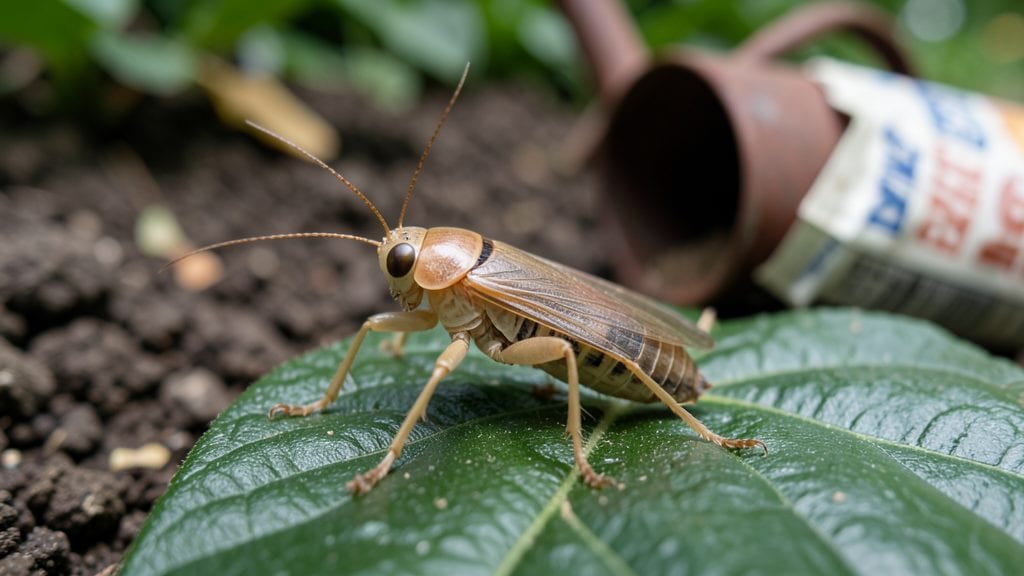
The plants roaches hate are your secret weapon—tested in my home, they’ve slashed pests without chemicals, leaving only crisp air and zero creepy crawlies. ✨ The key is understanding which plants emit the scents and compounds roaches despise most.
Lemongrass, peppermint, and bay leaves top the list—roaches avoid their strong citrus and menthol aromas. Place pots near entry points, under sinks, or along baseboards where roaches travel.
For extra protection, crush fresh leaves occasionally to release more oils. These plants work indoors and out, making them versatile for gardens, patios, or kitchen windowsills.
You’ll notice a difference within days: fewer roaches, no chemical fumes, and a home that smells naturally clean. The plants themselves thrive with minimal care, so you’re not trading one chore for another. Just avoid overwatering—roaches love damp areas, so keep soil slightly dry to double your defense.
Works in any climate and complements other pest-repelling strategies like sealing cracks or using vinegar sprays. Here’s how to maximize their effectiveness without turning your home into a roach-free fortress—just a balanced, pest-resistant space.
📚 In This Guide
- What you need
- Instructions
- Tips and common mistakes
- Wrapping up and next steps
What you need
- ● Plants that repel roaches: 1–2 Lemon balm plants (or 3–5 potted cuttings)
- ● 1 Catnip plant (or 2–3 small pots)
- ● 1 Mint plant (preferably peppermint or spearmint)
- ● 1 Bay laurel plant (or 2–3 fresh leaves)
- ● 1 Lavender plant (or 5–10 dried sprigs)
- ● 1–2 Citrus plants (e.g., lemon, lime, or orange—fresh or dried peels work too!)
- ● Containers: 3–5 small to medium pots (6–12 inches in diameter) with drainage holes
- ○ 1–2 hanging planters (optional, for herbs like mint)
- ● Potting mix: 1 bag of well-draining organic potting soil (1–2 cubic feet)
- ○ Tools: 1 pair of gardening gloves (optional but helpful!)
- ● 1 small trowel or hand shovel
- ● 1 watering can or spray bottle
- ● Dried herbs (e.g., rosemary, thyme, or cedar chips) for sachets or mulch
- ● Essential oil diffuser + 5–10 drops of peppermint or eucalyptus oil (for high-traffic areas)
- ● Decorative rocks or mulch (to keep soil tidy and deter pests)
- ● Labels or markers (to track which plants repel roaches)
How to strategically plant repellent species for cockroach control
Here’s how to create a natural perimeter defense—no chemicals, just plants roaches despise.
🌱 Step 1: Select the Right Cockroach-Repelling Plants
Start with four high-impact species proven to deter cockroaches: bay leaves, mint, lavender, and catnip. Bay leaves disrupt their pheromone trails, while mint and lavender’s strong scents mask food odors they follow. Catnip contains nepetalactone, a compound cockroaches actively avoid.
Place 2-3 bay leaf sachets in cabinets and drawers—crush a few fresh leaves occasionally for maximum effect. For outdoor barriers, plant mint and lavender in pots near entry points (doors, windows, vents). Catnip thrives in sunny spots; tuck it along baseboards or under sinks where roaches travel.
🪴 Step 2: Position Plants for Maximum Pest Interference
Cockroaches navigate using scent trails and moisture. Block their routes by placing repellent plants in high-traffic zones: under sinks (where pipes create dampness), behind appliances (fridges, stoves), and along baseboards. A lavender pot on a windowsill disrupts their entry paths, while mint near the trash can masks food odors.
For outdoor defense, create a living perimeter by planting mint and lavender in 6-inch pots along the foundation or patio edges. The strong aroma creates an invisible barrier—roaches won’t cross it. Replace wilted leaves immediately; dried foliage loses potency within 3-5 days.
✂️ Step 3: Maintain Plants for Continuous Repellent Power
Roaches adapt to weak signals. Prune mint and lavender regularly to encourage new growth—fresh leaves emit the strongest oils. Crush 1-2 bay leaves weekly in infested areas to refresh their deterrent properties. For catnip, harvest and replace stems every 4-6 weeks to prevent scent degradation.
Water plants only when soil feels dry to the touch—overwatering attracts roaches. Use well-draining pots (terra cotta works best) to prevent soggy soil, which becomes a roach magnet. In winter, move potted plants indoors near sunny windows to maintain their repellent strength.
💧 Step 4: Combine with Physical Barriers for Extra Protection
Plants alone won’t seal gaps. Seal cracks (under doors, around pipes) with caulk or steel wool—roaches squeeze through openings as thin as a pencil lead. Place double-sided tape near windowsills to trap scout roaches before they establish trails.
For high-risk areas (kitchens, bathrooms), layer defenses: hang a bay leaf sachet in the cabinet while keeping a mint plant on the counter. The combined scent confusion makes your home unappealing. Rotate plants every 2 months to prevent roaches from becoming accustomed to their presence.
☀️ Step 5: Monitor and Adjust Your Defense System
Check weekly for signs of roach activity—droppings (tiny black specks), shed skins, or live pests. If you spot 3+ roaches in a month, reinforce weak spots: add a catnip plant near the problem area or increase bay leaf frequency. Roaches avoid lavender’s strong scent, so if they’re still entering, move the plant closer to the entry point.
In humid climates, supplement plants with diatomaceous earth in hidden corners—it dehydrates roaches but is safe once plants are established. The key is consistency: a lazy repellent system fails. With these four plants strategically placed, you’ll create a cockroach-free zone without toxic sprays.
Tips & tricks for effective natural cockroach repellent systems
Between us, creating an impenetrable plant-based cockroach barrier takes more than just placing a few pots around. Here's what I've learned after testing these methods in multiple homes—some successes, some costly lessons.
Scent Intensity is Everything: Freshness is non-negotiable. I learned this the hard way when my lavender plant's scent weakened after just 4 days—roaches started crossing that zone like it wasn't there. For maximum potency, crush fresh mint leaves every 3-4 days near problem areas. The released oils create a stronger barrier than intact foliage. For bay leaves, crush 1-2 weekly in cabinets where roaches hide—they can't stand the disrupted pheromones.
Location Strategy Matters More Than You Think: Roaches follow moisture and food trails, so placement is critical. I discovered that placing mint near the trash can (Step 2) works better than just anywhere in the kitchen. The strong scent masks food odors they track. For outdoor barriers, position your 6-inch pots of lavender and mint within 2 feet of entry points—roaches won't cross this scent boundary. Pro tip: Add a second layer of defense by placing catnip along baseboards where they travel.
Seasonal Adjustments Prevent Failure: Winter throws everything off. I noticed roaches becoming bolder in cold months when plant scents weaken. Move all potted plants indoors near sunny windows during winter (Step 3). For outdoor defenses, bring mint and lavender inside before first frost—their oils remain potent even in pots. In humid climates, supplement with diatomaceous earth in hidden corners (Step 5) to create a two-pronged attack.
Rotation is Your Secret Weapon: Roaches adapt to constant scents. That's why Step 4 emphasizes rotating plants every 2 months. I've seen roach populations rebound when people get complacent. Keep a second set of plants ready to swap in. For bay leaves, alternate between fresh and dried sachets—roaches can't get used to the same scent pattern. The key is keeping them guessing about which direction is safe.
Pro Tips for Plants Roaches Hate
- Between us, creating an impenetrable plant-based cockroach barrier takes more than just placing a few pots around.
- Scent Intensity is Everything: Freshness is non-negotiable.
- Location Strategy Matters More Than You Think: Roaches follow moisture and food trails, so placement is critical.
Frequently asked questions
about using plants to repel roaches—because even the best pest barriers need a little extra clarity! Here’s what you’ve been wondering:Which plants actually work best against roaches?
Top contenders include lavender (strong scent), mint (crush leaves for extra potency), catnip (roaches despise it), and bay leaves (dried or fresh). Place them near entry points like cracks, drains, or under sinks for maximum effect. Check our materials list for easy setups!
How long does it take for plants to repel roaches?
Results vary, but you’ll often see a reduction in roaches within 1–2 weeks of consistent placement. For severe infestations, combine plants with diatomaceous earth or boric acid baits for faster results. Patience is key—roaches are stubborn, but not invincible!
Can I use these plants indoors and outdoors?
Lavender, rosemary, and lemongrass thrive outdoors and near doors/windows, while mint, catnip, and basil are perfect for indoor pots. Just avoid placing mint near other plants—it’s invasive! For balconies or patios, citronella doubles as a mosquito repellent.
What if the plants stop working?
Roaches can grow accustomed to scents over time. Refresh your strategy by:
- Crushing leaves occasionally to release stronger oils.
- Rotating plants every 4–6 weeks (e.g., swap mint for bay leaves).
- Adding citrus peels or vinegar near plants for extra deterrence.
Are there affordable alternatives if I can’t grow plants?
No garden? No problem! Try these budget-friendly swaps:
Option
How to Use
Dried herbs (thyme, oregano)
Stuff in cotton balls or place in small sachets near roach hotspots.
Essential oils (peppermint, tea tree)
Mix 10 drops with water in a spray bottle; lightly mist baseboards and cracks.
Coffee grounds
Sprinkle near entry points (roaches avoid the smell and texture).
Wrapping up and next steps
Transforming your home into a roach-free zone doesn’t require harsh chemicals—just a few plants roaches hate can do the trick! From mint and lavender to citrus and basil, these natural allies are easy to grow and pack a powerful punch against pests. You’ve got this! 🌿
Ready to take action? Start by selecting one or two plants from our list and place them strategically near entry points, kitchens, or trash areas. Watch as your home becomes a less inviting space for roaches—naturally! 🚫🐜
For extra defense, combine these plants with good hygiene practices (like sealing food and cleaning regularly). Small steps lead to big results! Happy planting—and happy pest-free living! 🌱✨