
Vegetables
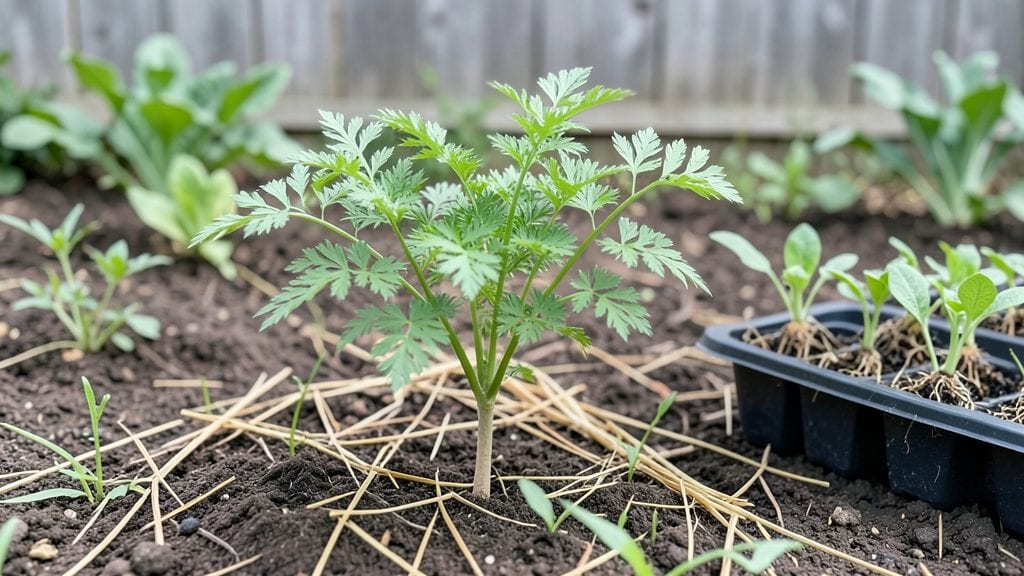
Planting root vegetables like carrots and beets starts with loose, stone-free soil—because nothing ruins harvest day like a fork-sized carrot. 🌱 I learned that the hard way after digging up a batch of stunted, split roots last spring.
The secret isn’t just the soil; it’s how you work with it before seeds even go in.
You’ll need a fork, compost, and patience—no fancy tools required. Loosen the soil to 12 inches deep, mix in aged compost, and rake until it’s fine as flour.
Root crops need space too: thin seedlings to 2-4 inches apart (check seed packets—some varieties need more). Plant seeds shallow—just ½ inch deep—since they need light to germinate.
By midsummer, you’ll pull out straight, vibrant roots instead of gnarled messes. The key is consistent moisture—keep soil damp but not soggy—and avoid heavy foot traffic near rows. Even in small gardens, these crops thrive when given room to stretch their roots downward.
Works for cool-season crops like radishes (plant in early spring) and warm-season sweet potatoes (wait until soil hits 65°F). The same principles apply—just adjust timing. Let’s get those seeds in the ground!
📚 In This Guide
- What you need
- Instructions
- Tips and common mistakes
- Wrapping up and next steps
What you need
- ● Root vegetable seeds or seedlings: Choose varieties like carrots, beets, radishes, turnips, or potatoes (organic, non-GMO preferred). Quantity: Adjust based on garden size (e.g., 1 lb of seeds covers ~100 sq ft for most roots).
- ● Well-draining soil: Loose, sandy loam with a pH of 6.0–7.0. Amend clay soil with compost (2–3 inches mixed into top 12 inches) or sand.
- ● Fertilizer: Balanced organic fertilizer (e.g., 5-5-5 or 10-10-10) for planting.
- ● Slow-release fertilizer (e.g., composted manure or bone meal) for nitrogen-rich soil.
- ● Garden trowel or hand fork (for loosening soil and planting).
- ● Garden hoe (to create furrows or ridges, ~1–2 inches deep).
- ● Watering can or hose with gentle spray nozzle (avoid dislodging seeds).
- ● Gloves (to protect hands while handling soil or sharp tools).
- ● Measuring tape or ruler (to space seeds correctly—see spacing tips below!).
- ● Row covers (to deter pests like carrot flies or flea beetles).
- ● Mulch (straw or shredded leaves) to retain moisture and suppress weeds.
- ● Seedling trays (if starting indoors 4–6 weeks before last frost).
- ● Soil thermometer (to ensure optimal germination temps: 50–85°F, depending on the veggie).
- ● Organic pest control (e.g., diatomaceous earth or neem oil for aphids).
Step-by-step instructions for planting root vegetables
Dig into these proven techniques—your harvest will thank you for the extra care.
🌱 Step 1: Prepare the Soil for Deep Root Growth
Root vegetables like carrots, beets, and parsnips need loose, stone-free soil to grow straight and plump. Work in 2-3 inches of compost or well-rotted manure into the top 12 inches of soil. This ensures roots have space to expand without hitting compaction or rocks. I like to use a broadfork to loosen the soil without disturbing the soil structure too much—it creates ideal channels for roots to grow.
Test your soil by pushing a finger 6 inches deep. If it feels tight or gritty, add more organic matter. The goal is soil that crumbles easily when moist but holds together when dry. Smooth the surface with a rake, removing any clumps or debris that could deform developing roots.
💧 Step 2: Plant Seeds at the Correct Depth and Spacing
Sow seeds ½ inch deep for most root vegetables—deeper than you might think, but not so deep they struggle to emerge. Space seeds 1-2 inches apart in rows 12-18 inches apart, depending on the variety. Thin seedlings to 2-4 inches apart once they reach 2 inches tall—this prevents overcrowding and ensures each root gets enough nutrients.
I use a small stick to mark seed rows if I'm planting in a large bed. This keeps me from accidentally planting too densely. Water gently after sowing to settle the soil around seeds, but avoid oversaturating—you want the soil to stay moist but not soggy until germination.
☀️ Step 3: Maintain Even Moisture and Sunlight
Root vegetables need full sun (6-8 hours daily) and consistent moisture to prevent cracking or forked growth. Water deeply 1-2 times per week, aiming for 1 inch of water per week. Use a soaker hose or drip irrigation to keep the soil evenly moist without disturbing the surface—this prevents seeds from washing away and ensures steady growth.
Mulch with 2 inches of straw or shredded leaves after seedlings emerge to retain moisture and suppress weeds. Watch for signs of stress like yellowing leaves or stunted growth—these often mean the soil is too dry or too wet. Adjust your watering schedule accordingly, aiming for soil that feels like a damp sponge when checked with your fingers.
✂️ Step 4: Thin and Harvest for Perfect-Sized Roots
Thin seedlings to the recommended spacing when they reach 2-3 inches tall. Use sharp scissors to cut unwanted plants at soil level—this prevents disturbing the roots of nearby seedlings. Harvest when roots reach ¾ of their mature size for the best flavor and texture. For example, carrots are ready when they’re about ¾ inch thick and tops are 6-8 inches tall.
Gently loosen soil around the base before pulling to avoid breaking roots. If you notice any roots growing crooked or stunted, check for soil compaction or rocks—these are common culprits. Store harvested roots in a cool, dark place with high humidity to keep them fresh for weeks.
Tips & tricks for perfect root vegetable planting
These soil-smart strategies will transform your garden into a root vegetable powerhouse—no more forked carrots or stunted beets in sight.
Soil Texture is Everything: The 2-3 inches of compost you work into the top 12 inches of soil isn't just about nutrients—it's about creating the perfect crumbly texture. Think of it like making a giant cake batter for your roots. After loosening with your broadfork, run your fingers through the soil: it should feel like damp sandpaper, not concrete. If it's still compacted after adding compost, mix in some coarse sand or perlite to break up the density. This prevents those frustrating "hairy" roots that grow sideways when they hit resistance.
Seed Depth Science: That ½ inch depth for planting seeds might seem shallow, but it's intentional. Seeds need darkness to germinate but not so much that they suffocate. I've learned the hard way—planting too deep can leave you with weak, leggy seedlings that never bulk up properly. For heavier soils, consider pressing seeds just ¼ inch deep instead. Use your finger to make small furrows, then cover gently with soil—no need to pack it down, just smooth it lightly so seeds stay in place.
Watering Wisdom: The 1-2 times per week watering guideline assumes average conditions, but real-world gardening requires adjustments. Check moisture by pushing your finger 1 inch deep—if it feels dry, water thoroughly. The key is consistency: uneven moisture causes roots to split or grow gnarled. For container-grown roots, water more frequently since pots dry out faster. And here's a pro move: water in the morning so foliage has time to dry, preventing fungal issues that can rot your precious roots.
Thinning Technique: When thinning seedlings to 2-4 inches apart, don't grab and pull—use sharp scissors to snip at soil level. This prevents disturbing the roots of your keepers while removing competition. I like to thin on a cloudy day when the soil is moist, making the process cleaner. For varieties like radishes that mature quickly, you can thin multiple times as they grow. And here's a secret: those thinned seedlings make great microgreens if you compost them immediately!
Pro Tips for Planting Root Vegetables
- These soil-smart strategies will transform your garden into a root vegetable powerhouse—no more forked carrots or stunted beets in sight.
- Soil Texture is Everything: The 2-3 inches of compost you work into the top 12 inches of soil isn't just about nutrients—it's about creating the perfect crumbly texture.
- Seed Depth Science: That ½ inch depth for planting seeds might seem shallow, but it's intentional.
Frequently asked questions
Got questions about growing root vegetables? You’re not alone! Here are some of the most common queries—and their straightforward answers—to help you dig into success.
What’s the best time to plant root vegetables?
Most root veggies thrive in cool soil (50–75°F). Plant early spring (as soon as soil is workable) or late summer for a fall harvest. Avoid planting when soil is hot—roots like carrots and beets can fork or split in heat. Check your last frost date for guidance!
Can I grow root vegetables in containers?
Shallow-rooted varieties like radishes, turnips, and baby carrots do well in deep containers (at least 12 inches). Deeper roots (like parsnips or large carrots) need 18+ inches of soil. Use well-draining potting mix and keep containers in full sun for best results.
How do I prevent pests from ruining my root veggies?
Pests like cutworms, flea beetles, and rodents love root crops. Try these tricks:
- Row covers for early planting to block flying insects.
- Crop rotation—don’t plant roots in the same spot yearly.
- Handpick pests (like slugs) at dusk or use organic traps (e.g., beer for slugs!).
- Interplant with pest-repelling herbs like chives or thyme.
Why are my root vegetables growing weird shapes?
Uneven or forked roots often mean crowded soil, rocks, or uneven watering. To fix:
- Loosen soil before planting and remove debris.
- Space seeds properly (check seed packets for guidelines).
- Water consistently—drought or excess moisture stresses roots.
- Try sand or perlite in clay soil to improve texture.
Are there any root vegetables that grow faster than others?
If you’re impatient, try these speed demons:
- Radishes: Ready in 3–4 weeks!
- Turnips: Greens in 4 weeks, roots in 6–8.
- Baby carrots: Harvest in 50–60 days.
Wrapping up and next steps
Planting root vegetables is a rewarding journey that connects you to the earth and the table! 🌱 Whether you're a seasoned gardener or a curious beginner, the key to success lies in rich soil, patience, and proper technique.
With the right knowledge—like choosing the perfect spot, prepping the soil, and spacing plants just right—you’ll harvest hearty, flavorful roots that taste like sunshine.
Now that you’re armed with deep soil secrets, it’s time to roll up your sleeves and get growing! Start small—pick one or two varieties—and let your garden flourish. Before you know it, you’ll be savoring homegrown carrots, beets, and potatoes that outshine anything store-bought. Happy planting! 🌿