
Fertilization
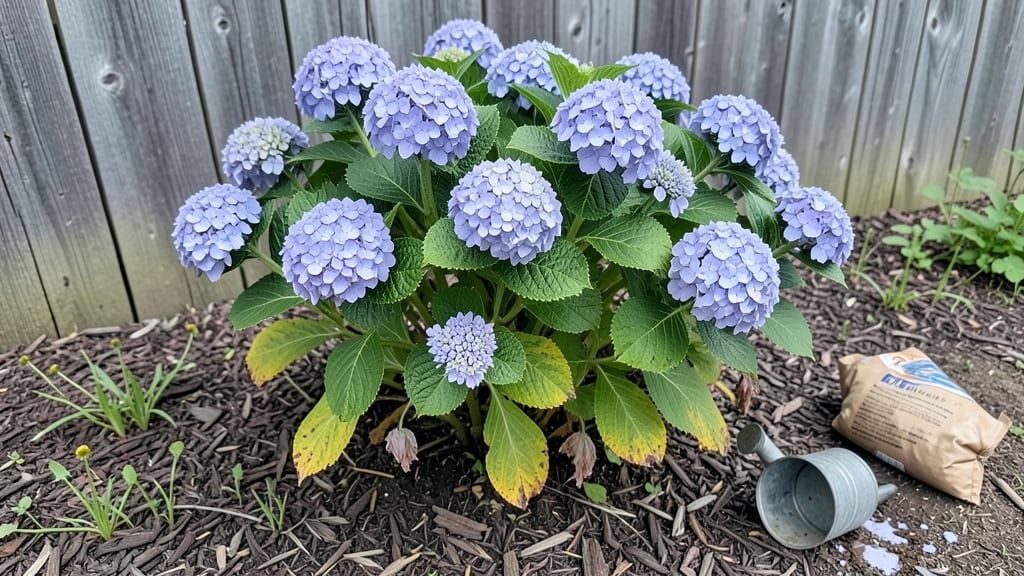
The right plant food for shrubs is the secret to that shockingly lush, neighbor-jealousy-inducing foliage I see in my own backyard every summer. 🌿 I used to think all fertilizers worked the same—until I realized shrubs need a balanced approach that matches their growth stage and type.
Evergreens, flowering shrubs, and berry producers all have different hunger signals, and feeding them wrong can backfire fast.
You’ll need three core components: nitrogen for leafy growth, phosphorus for root strength, and potassium for disease resistance. Organic options like composted manure or bone meal break down slowly, while synthetic blends deliver quick results.
My go-to is a 10-10-10 formula in early spring, followed by a lighter feeding in midsummer—just don’t overdo it, or you’ll get leggy growth instead of compact, healthy shrubs.
By the end of the season, you’ll see deeper green leaves, more blooms, and shrubs that bounce back from drought or pests like they’re made of rubber. The key is timing: feed when new growth starts in spring, then again when flowering begins.
Too much too soon? You’ll end up with weak stems and fewer flowers—something I learned the hard way with my over-fertilized lilacs.
This works for foundation plants, hedges, and even fruit-bearing shrubs like blueberries. Whether you’re fixing a struggling shrub or keeping your landscape thriving, the right food makes all the difference. Let’s get those roots fed properly!
📚 In This Guide
- What you need
- Instructions
- Tips and common mistakes
- Wrapping up and next steps
What you need
- ● Plant food for shrubs: Granular slow-release fertilizer (e.g., 10-10-10 or 12-12-12 NPK ratio) – 1-2 lbs per 100 sq ft
- ● OR Liquid fertilizer (e.g., fish emulsion, seaweed extract, or synthetic liquid feed) – 1-2 tbsp per gallon of water
- ● Organic options (compost, worm castings, or bone meal) – 2-3 cups per shrub, mixed into soil
- ● Gloves: Heavy-duty gardening gloves (to protect hands from chemicals or soil)
- ● Watering can or hose: With a gentle spray nozzle (for liquid fertilizers)
- ● Measuring cups/spoons: For precise application of granular or liquid fertilizers
- ● Garden fork or trowel: For mixing granular fertilizer into soil (especially for organic options)
- ○ Pruning shears (optional but helpful): For trimming dead or overgrown branches before fertilizing
- ● Soil pH test kit: To check if your shrubs need acidic or alkaline adjustments before fertilizing
- ● Mulch (pine straw, wood chips): 2-3 inches thick to retain moisture and nutrients
- ● Slow-release fertilizer spikes: Convenient for long-term feeding (follow package instructions)
- ● Compost tea: A nutrient boost for liquid feeding (brew at home or buy pre-made)
- ● Rain gauge or weather app: To avoid fertilizing before heavy rain (which can wash nutrients away!)
Step-by-Step guide to feeding shrubs for vibrant, year-long growth
Here’s how I feed my shrubs for dense foliage and steady growth—no guesswork, just science-backed feeding.
🌿 Step 1: Test Soil and Understand Nutrient Needs
Before adding any fertilizer, grab a handful of soil from the root zone and squeeze it. If it crumbles easily, it’s dry and likely nutrient-poor. If it sticks together like wet clay, it’s compacted and may be deficient in organic matter. I always test soil pH first—most shrubs thrive in 6.0-7.0, though azaleas and rhododendrons prefer 4.5-6.0.
Use a soil test kit to check for nitrogen (N), phosphorus (P), and potassium (K). Shrubs typically need more nitrogen for leaf growth, phosphorus for root development, and potassium for overall vigor. If your test shows low organic matter, amend with 2-3 inches of compost before fertilizing—this improves soil structure and microbial activity, which shrubs rely on for nutrient uptake.
🌱 Step 2: Choose the Right Fertilizer for Your Shrubs
For established shrubs, I use a balanced, slow-release fertilizer with a ratio like 10-10-10 or 12-12-12. This provides steady nutrients without burning roots. For newly planted shrubs, I opt for a higher-phosphorus blend (e.g., 5-10-5) to encourage root establishment. Always read the label—some fertilizers are formulated specifically for shrubs or flowering plants.
Organic options like fish emulsion, bone meal, or compost tea work well too, especially if you’re growing edible shrubs like blueberries or currants. I mix organic fertilizers into the top 2-3 inches of soil rather than applying them to the surface, which helps prevent nutrient loss from rain or evaporation.
💧 Step 3: Apply Fertilizer at the Right Time and Rate
Feed shrubs in early spring, just as new growth begins, and again in mid-summer if they’re still actively growing. Avoid fertilizing in late summer or fall—this encourages tender new growth that won’t harden off before winter, leaving plants vulnerable to cold damage. For slow-release granules, I scatter them evenly over the root zone, about 6 inches from the trunk, and water deeply to activate them.
Follow the label’s recommended rate—overapplying fertilizer can lead to salt buildup in the soil, which damages roots. If your shrubs are evergreens like boxwood or holly, I cut the fertilizer rate in half to avoid excessive growth that can stress the plant. Water the area thoroughly after applying to help nutrients penetrate the soil and reach the roots.
☀️ Step 4: Monitor Growth and Adjust as Needed
Healthy shrubs show steady, compact growth with deep green leaves. If yours develop yellowing leaves, it could signal nitrogen deficiency—apply a light dose of nitrogen-rich fertilizer like blood meal. Brown leaf edges or stunted growth often mean too much salt or poor drainage, so I flush the soil with water and avoid fertilizing for a few months to let the plant recover.
I also watch for signs of over-fertilization, like leaf burn or excessive leafy growth at the expense of flowers or fruit. If that happens, I reduce the fertilizer dose by half and increase watering to help dilute any excess salts. Mulching with 2-3 inches of organic mulch after feeding helps retain moisture and regulate soil temperature, which keeps roots happy year-round.
⏰ Step 5: Plan for Seasonal Care and Long-Term Health
In late fall, I stop fertilizing entirely and focus on protecting shrubs from winter stress. For tender shrubs like abelia or gardenia, I apply a winter mulch of 4-6 inches of straw or leaves to insulate roots. In early spring, I remove old mulch and replace it with fresh compost to replenish nutrients naturally.
Every 2-3 years, I dig in a 1-inch layer of compost around the root zone to refresh the soil without overloading it with synthetic nutrients. This keeps my shrubs thriving with minimal effort—just consistent care and attention to their specific needs. Real talk: the key isn’t how much you feed them, but how well you time it and adjust based on what you see growing.
Tips & tricks for perfect shrub feeding
Mastering the art of shrub nutrition isn't about throwing fertilizer at the problem—it's about understanding your plants' unique language. Here's what I've learned from years of trial and error with my own landscape.
Soil Test First: That initial soil squeeze test in Step 1 is your foundation. I've seen gardeners skip this and end up with nutrient imbalances that take years to correct. For the most accurate results, test soil from multiple spots around your shrub—especially if it's in a large planting bed. The pH reading is critical: if your azalea shows signs of stress despite regular feeding, it's likely your soil pH is outside its 4.5-6.0 range. I keep a small pH test kit in my gardening shed for quick checks before each feeding session.
Fertilizer Application Technique: When applying those slow-release granules in Step 3, I've found the "V-method" works best—create a V shape around the drip line (not the trunk) and scatter the fertilizer evenly. This ensures nutrients reach the root zone where new growth is happening. For organic options like fish emulsion, I dilute it to half-strength and apply it as a soil drench rather than surface spray, which prevents nutrient loss from evaporation. The key is getting those nutrients into the soil profile where roots can access them.
Seasonal Timing Secrets: The early spring feeding in Step 3 should coincide with the first signs of new growth—typically when you see those tiny leaf buds beginning to swell. I mark my calendar for mid-May in my climate zone, but your timing may vary. For mid-summer feeding, I look for shrubs that are still putting on new growth, not just maintaining their foliage. This second feeding gives them a boost for late-season vigor, especially important for flowering shrubs that need energy for next year's blooms.
Organic Matter Maintenance: The 2-3 inches of compost mentioned in Step 1 and the annual 1-inch top dressing in Step 5 are non-negotiable for long-term health. I've learned this the hard way—skipping the compost leads to soil compaction and reduced microbial activity. Think of compost as your shrubs' multivitamin: it provides a slow release of nutrients while improving soil structure. For container-grown shrubs, I mix compost directly into the potting soil at planting time and refresh it annually.
Pro Tips for Plant Food For Shrubs
- Mastering the art of shrub nutrition isn't about throwing fertilizer at the problem—it's about understanding your plants' unique language.
- Soil Test First: That initial soil squeeze test in Step 1 is your foundation.
- Fertilizer Application Technique: When applying those slow-release granules in Step 3, I've found the "V-method" works best—create a V shape around the drip line (not the trunk) and scatter the fertilizer evenly.
Frequently asked questions
Got questions about keeping your shrubs thriving?
Here are answers to the most common ones—so you can grow lush, healthy plants with confidence!
What’s the best time of year to fertilize shrubs?
Feed shrubs in early spring (just as new growth starts) and mid-summer (around July). Avoid fertilizing in fall or winter—roots need rest! For slow-release options, apply once in spring for steady nutrients all season. Pro tip: Water well before and after applying to prevent root burn.
Can I use regular lawn fertilizer on shrubs?
Not ideal! Lawn fertilizers are high in nitrogen (for grass) but lack the balanced nutrients (like phosphorus and potassium) shrubs need. Instead, opt for a slow-release, shrub-specific formula or a 10-10-10 NPK ratio (equal parts nitrogen, phosphorus, potassium). For organic options, try compost, worm castings, or fish emulsion.
Why are my shrubs’ leaves turning yellow after fertilizing?
Yellow leaves often signal over-fertilization or root burn. If this happens, flush the soil with water to dilute excess salts, then pause fertilizing for 4–6 weeks. Always follow package instructions for dosage—more isn’t better! Also, check for pests or disease, as these can mimic nutrient issues.
How often should I fertilize newly planted shrubs?
Newly planted shrubs need gentle, frequent feeding—but not too much! Apply a light dose of fertilizer every 6–8 weeks for the first year, focusing on root development. Over-fertilizing can stress young plants. After year one, switch to a regular seasonal schedule (spring + summer).
Are organic fertilizers better for shrubs than synthetic ones?
Both work, but they feed differently! Synthetic fertilizers deliver quick, precise nutrients (great for fast results), while organic options (like compost or bone meal) improve soil long-term and support microbial life. For shrubs, a mix of both often works best—use synthetic for growth spurts and organic to boost soil health.
How do I know if my shrubs need fertilizer?
Watch for these signs: slow growth, pale or sparse leaves, or bare stems. Dig gently near roots—if soil looks pale or lacks crumbly texture, it’s nutrient-poor. For evergreens, check for needles dropping early or dull color. A simple soil test kit (from garden centers) can confirm deficiencies!
Wrapping up and next steps
Choosing the right plant food for shrubs is the secret to vibrant, healthy growth all year long! Whether you opt for organic compost, slow-release granules, or liquid fertilizers, the key is consistency and balance.
Pay attention to your shrubs’ needs—whether they’re thirsty for nitrogen, phosphorus, or potassium—and adjust your feeding schedule accordingly.
Now that you’re armed with knowledge, take action! Start with a soil test, pick your preferred fertilizer, and give your shrubs the nourishment they deserve. With a little care, your garden will thrive and reward you with stunning foliage and blooms season after season. Happy gardening! 🌿✨