Planting
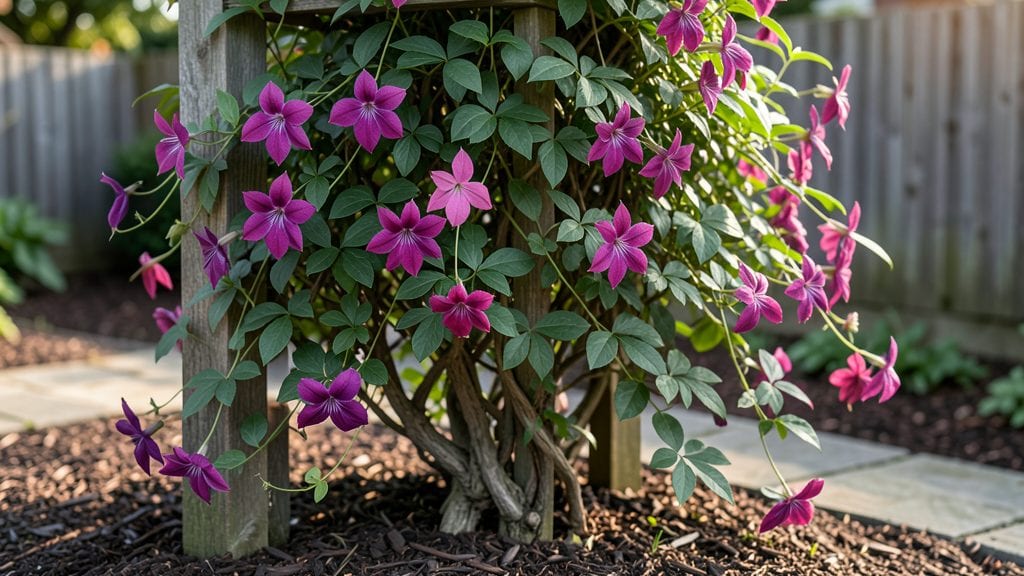
"Pink clematis plants climb like magic vines, turning fences into floral waterfalls. 🌿 I’ve grown them for years, and the secret to their year-round blooms lies in three pruning tricks that most gardeners miss. The first step? Choosing the right spot—these vines crave sunlight and sturdy support.
Most people overthink soil, but clematis just needs well-draining dirt and a little organic matter. Varieties like 'Jackmanii' or 'Nelly Moser' thrive with basic care: water when the top inch of soil dries, and avoid soggy roots.
The real game-changer? Pruning at the right time—spring for some, late winter for others—to keep blooms coming.
By mid-summer, you’ll see lush pink blooms that last all season. The vines grow fast, so regular trims keep them tidy and encourage more flowers. Even beginners can master this with the right timing and a sharp pair of shears.
Works for trellises, arbors, or even containers—just give them space to climb. Let’s get those vines blooming like crazy!"
📚 In This Guide
- What you need
- Instructions
- Tips and common mistakes
- Wrapping up and next steps
What you need
- ● Pink clematis plant: Choose a Clematis variety like ‘Jackmanii,’ ‘Nelly Moser,’ or ‘Pink Perfection.’ Nursery-grown plants (3–5 years old) thrive best.
- ● Well-draining potting mix or garden soil: 5–10 gallons (for containers) or amended garden beds (for in-ground planting). Mix in compost (20–30%) for nutrients.
- ● Support structure: Trellis, arbor, or obelisk: 6–10 feet tall (clematis vines can grow aggressively!). Opt for galvanized metal or sturdy wood to prevent rust.
- ● Twine or soft plant ties: 1–2 rolls (for securing vines as they grow).
- ● Mulch: 2–3 inches of wood chips or straw to retain moisture and regulate soil temperature.
- ● Garden trowel or shovel: For planting and soil amendments.
- ● Pruning shears: Bypass pruners (sharp, clean, and sterilized) for trimming.
- ● Gloves: Heavy-duty gardening gloves to protect from thorns.
- ● Watering can or hose with a gentle nozzle: Clematis loves consistent moisture but hates soggy roots.
- ○ pH test kit (optional): Aim for soil pH 6.5–7.5 (slightly acidic to neutral).
- ● Sunlight: 6+ hours of direct sun daily (morning sun + afternoon shade in hot climates).
- ● Water access: Drip irrigation or a watering schedule (deep watering 2–3 times per week during dry spells).
- ● Space: Minimum 3–5 feet from walls/fences (clematis needs airflow).
- ● Patience: Established plants bloom best after 2–3 years!
Step-by-Step guide to pruning your pink clematis for year-round blooms
Here’s the pruning system I’ve used for five seasons to keep my pink clematis blooming from spring through fall.
✂️ Step 1: Identify Your Clematis Type and Prune in Late Winter
Pink clematis typically falls into two pruning groups: Group 1 (early bloomers like ‘Jackmanii’) or Group 3 (late bloomers like ‘Nelly Moser’). Since yours is pink, it’s likely Group 3—wait until late February or early March when new growth is just starting to show. This timing ensures you don’t cut off next season’s blooms.
Grab your pruners and examine the plant. Look for dead or crossing stems—these are your first targets. Cut them back to the base immediately. For healthy stems, leave 3-4 buds from the ground. You’ll see these as tiny swellings along the stem; each bud holds potential for new growth.
🌿 Step 2: First Prune After Spring Blooms (Early Summer)
Once your clematis finishes its first flush of blooms (usually around late May or early June), it’s time for the second prune. This is where the magic happens for continuous blooms. After flowers fade, cut back one-third of the oldest stems to the base. You’ll recognize these as the thickest, woody stems from last year.
Here’s the trick: Never cut more than a third of the stems at once. This keeps the plant balanced and prevents shock. Water deeply after pruning—your clematis will reward you with a second wave of blooms in late summer if you’ve timed this right.
✂️ Step 3: Light Maintenance Prune in Fall (After Final Blooms)
After your clematis’ last blooms of the season (usually September or October), give it a final light trim. Remove any dead, diseased, or weak stems down to the base. For healthy stems, cut back to just above a pair of healthy buds. This keeps the plant tidy and prepares it for winter.
Stop pruning by mid-October—this gives the plant time to harden off before cold weather. Mulch around the base with 2-3 inches of organic mulch (like shredded bark) to protect roots from freezing. You’ll see fresh growth in spring, ready to bloom again.
💧 Step 4: Year-Round Care to Encourage More Blooms
Clematis are thirsty plants—water deeply once a week during dry spells, aiming for 1-2 gallons per plant. You’ll know it’s getting enough when the soil feels damp 2 inches below the surface. Overhead watering can cause mildew, so water at the base instead.
Feed your clematis twice a year: once in early spring with a balanced fertilizer (like 10-10-10) and again after the first summer bloom with a high-phosphorus fertilizer (like 5-10-5) to encourage more flowers. Avoid fertilizing in fall—it promotes tender new growth that won’t survive winter.
Tips & tricks for perfect pink clematis pruning
These pruning secrets will transform your pink clematis into a nonstop blooming machine—no more sparse seasons or disappointed gardeners.
Timing is Everything: The late February to early March window for Step 1 is non-negotiable for Group 3 clematis. I've learned this the hard way—pruning too early means cutting off next year's blooms before they even start. Look for those tiny green shoots emerging from the base; that's your cue. If you miss this window, you'll sacrifice your spring blooms entirely.
Bud Counting Matters: Those 3-4 buds you leave in Step 1 are your plant's promise for next season's growth. Count them carefully—each one represents a potential stem that could produce 20-30 blooms! For the summer prune in Step 2, focus on the thickest stems first. These older stems have already given you flowers this season, so removing them makes room for younger, more vigorous growth.
Fall Preparation Secret: When you do your final fall trim in Step 3, don't just cut back the dead stems—look for any stems that have weak growth or are growing in odd directions. These often produce fewer blooms. Cutting them back to healthy buds now means more energy for spring blooms. And that 2-3 inch mulch layer? It's not just for looks—it insulates roots through winter and prevents temperature fluctuations that can stress the plant.
Watering Wisdom: The once-weekly watering in Step 4 needs to be deep—think 1-2 gallons per plant. I've seen clematis wither during dry spells because owners only gave them a quick sprinkle. Check soil moisture 2 inches down; if it's dry, that's your watering signal. And here's a pro move: water in the morning so any moisture on leaves has time to evaporate, reducing mildew risk.
Pro Tips for Pink Clematis Plant
- These pruning secrets will transform your pink clematis into a nonstop blooming machine—no more sparse seasons or disappointed gardeners.
- Timing is Everything: The late February to early March window for Step 1 is non-negotiable for Group 3 clematis.
- Bud Counting Matters: Those 3-4 buds you leave in Step 1 are your plant's promise for next season's growth.
Frequently asked questions
Got questions about your pink clematis plant? You’re not alone! Whether you’re a new gardener or a seasoned pro, these FAQs will help you keep your vine thriving and blooming year after year.
When is the best time to plant pink clematis?
Plant your pink clematis in early spring or fall when temperatures are mild (50–70°F). Avoid extreme heat or frost, as these can stress the roots. If planting in containers, use well-draining soil and ensure the pot has drainage holes. Pro tip: Soak the roots in water for 1–2 hours before planting to reduce transplant shock!
How do I prune pink clematis for continuous blooms?
Most pink clematis varieties bloom on new wood, so prune in late winter or early spring (before new growth starts). Cut back last year’s stems to 12–18 inches from the base. For early bloomers (like ‘Jackmanii’), wait until after flowering to prune. Always use clean, sharp shears to avoid damaging the plant.
Why aren’t my pink clematis flowers opening?
Several factors can prevent blooms: over-pruning, poor sunlight (they need 6+ hours of sun), or nutrient deficiencies. Check for yellow leaves (could mean too much nitrogen) or weak stems (possible root issues). Feed with a balanced fertilizer (10-10-10) in early spring and mid-summer. If the plant is healthy but still not blooming, it might need a winter chill—try moving it to a cooler spot if grown in a warm climate.
What pests or diseases should I watch for in pink clematis?
Common pests include aphids, clematis wilt (a fungal disease), and slugs. For aphids, spray with water or use insecticidal soap. Clematis wilt appears as wilting leaves and brown stems—remove infected parts immediately and avoid overhead watering. Slugs leave chewed holes in leaves; use beer traps or diatomaceous earth for organic control. Prevention tip: Space plants for airflow and mulch to deter pests!
Can I grow pink clematis in containers? If so, what’s the best setup?
Choose a large container (at least 15–20 gallons) with drainage holes. Use a well-draining potting mix (add perlite or sand) and a support trellis or cage for climbing. Water regularly—containers dry out faster—and fertilize every 2–3 weeks during growing season. Bonus: Variegated pink clematis (like ‘Nelly Moser’) thrive in containers and add a pop of color!
Wrapping up and next steps
Growing a vibrant pink clematis plant is all about understanding its unique needs—from proper pruning to sunlight and soil care.
With the three pruning secrets shared here, you’re well on your way to year-round blooms that steal the show! 🌸 Whether you’re a beginner or a seasoned gardener, a little patience and the right techniques will transform your space into a floral paradise.
Ready to take the next step? Start by choosing your favorite pink clematis variety and sketch a simple planting plan. Then, grab your pruners and get ready to nurture this stunning climber—your garden will thank you!