Watering
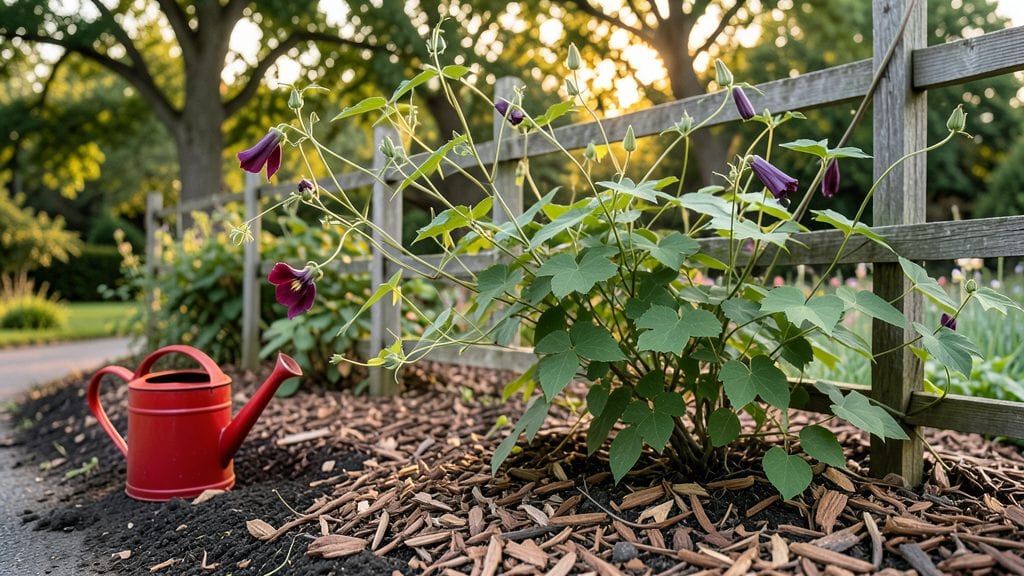
Watering clematis plants the right way is the difference between vibrant blooms and sad, wilted vines 🌸 — and most gardeners get it wrong.
Struggling to keep your clematis blooming as beautifully as you imagined? The secret isn’t just in the soil or sunlight—it’s in how you water these thirsty vines. Too much or too little, and you’ll miss out on those stunning, show-stopping flowers.
Clematis thrives when its roots stay consistently moist but never soggy, which means deep, infrequent watering beats light sprinkles every day.
In USDA Zone 6a, that means soaking the soil once a week in spring and every 5-7 days in summer—but there’s more to it than just a schedule.
Below, I’ll show you the exact techniques to check soil moisture, adjust for heatwaves, and avoid the two biggest watering mistakes that kill blooms before they open.


The ideal watering schedule for clematis by season and growth stage
Clematis plants are thirsty climbers that need consistent moisture to produce their showstopping blooms, but they hate soggy roots. The key is deep, infrequent watering that encourages strong root growth while preventing fungal diseases.
Your watering routine should change with the seasons and growth stages—from dormancy in winter to peak flowering in summer. Let’s break down the exact schedule you need to keep your clematis thriving year-round.
First, understand that clematis has three main growth stages: dormancy (winter), active growth (spring), and flowering (summer). Each stage demands a different approach to water.
For example, newly planted clematis needs daily watering for the first two weeks to establish roots, while mature vines can go 10-14 days between deep waterings. The soil type also plays a role—sandy soil drains faster, requiring more frequent watering, while clay holds moisture longer.
Here’s the seasonal watering breakdown you’ve been waiting for, including how deep to water and when to adjust based on rainfall or heatwaves. This schedule ensures your clematis gets just the right amount of moisture without wasting water or risking root rot.
🌸
Now that you have the seasonal watering schedule, let’s dive into how to water properly. Clematis roots are shallow but extensive, so deep watering is critical. Use a soaker hose or drip irrigation placed at the base of the plant to deliver water slowly and evenly.
Avoid overhead watering, which can lead to fungal diseases like powdery mildew. Instead, aim for 1-2 gallons per watering for mature plants, adjusting based on soil type and weather.
Check soil moisture by inserting your finger 2-3 inches deep—if it feels dry, it’s time to water. In containers, clematis dries out faster, so you may need to water every 3-5 days during hot weather.
Pro tip: Mulch around the base with 2-3 inches of organic mulch (like shredded bark) to retain moisture and regulate soil temperature. This reduces evaporation and keeps roots cool in summer.
Adjust your watering schedule based on weather conditions. During heatwaves, increase frequency to every 2-3 days, and reduce it during cool, rainy periods. Overwatering is a common mistake—clematis prefers moderate moisture, not soggy soil.
If you notice yellowing leaves or mushy stems, you’re likely overwatering. Conversely, wilting or crispy leaves signal underwatering. The goal is consistency: deep, infrequent waterings that encourage strong root development and vibrant blooms.
For container-grown clematis, monitor soil moisture daily in extreme heat, as pots dry out much faster than garden beds. In clay soil, which holds moisture well, you can stretch watering intervals to 10-14 days, while sandy soil may require weekly watering.
Always water early in the morning to allow foliage to dry quickly, reducing the risk of fungal infections. If you’re unsure whether to water, lift the plant gently—if it feels light, it’s time
Common watering mistakes that kill clematis blooms (and how to fix them)
Your clematis vines might look healthy on the surface, but hidden watering mistakes could be silently sabotaging those show-stopping blooms. Overwatering or underwatering both trigger stress responses—yellowing leaves, stunted growth, or even no flowers at all.
The key is consistency and precision, not guesswork. Let’s fix the most common pitfalls before they ruin your season.
First, most gardeners assume clematis need constant moisture, but these vines actually prefer deep, infrequent watering. Shallow sprinkles encourage weak roots that can’t support heavy blooms.
Instead, aim for 1-2 gallons per watering, soaking the root zone (about 12-18 inches deep). This mimics natural rainfall and prevents surface evaporation.
Another deadly mistake? Watering at the wrong time. Nighttime watering leaves foliage damp overnight, inviting fungal diseases like powdery mildew. Always water early morning (before 10 AM) so leaves dry quickly.
Pro tip: Use a soaker hose or drip irrigation to deliver water directly to the roots without wetting the vines.
⚠️
- Overwatering: Soggy soil suffocates roots, causing root rot and leaf drop. Fix: Let top 2 inches of soil dry between waterings.
- Underwatering: Wilting leaves and bud drop signal thirst. Fix: Water deeply once a week (daily in summer heat).
- Inconsistent moisture: Fluctuating wet/dry cycles stress vines. Fix: Mulch with 3 inches of organic matter to retain even moisture.
💧 Action Step: Stick your finger 2 inches into soil—if dry, water; if damp, wait.
Seasonal shifts throw many gardeners off. In spring, clematis need weekly watering to fuel new growth, but by fall, reduce to bi-weekly as growth slows. Winter dormancy?
Cut back to monthly watering (or none in freezing climates). Ignore these adjustments, and you’ll see fewer blooms next season—your plant’s energy goes into survival, not flowers.
One often-overlooked issue is watering the wrong part of the plant. Pouring water at the base of the vine can rot the crown. Instead, water 2-3 feet away from the stem to encourage deep root growth.
Pair this with a support structure (like a trellis) to keep vines off damp soil, reducing disease risk.
Finally, don’t rely on rain alone. Even light showers won’t penetrate deep enough for clematis roots. Use a moisture meter ($10 at garden centers) to check soil levels—aim for 60-70% moisture at the root zone.
If your meter reads lower, it’s time to water. With these fixes, your clematis will reward you with vibrant, long-lasting blooms all season.