
Diseases
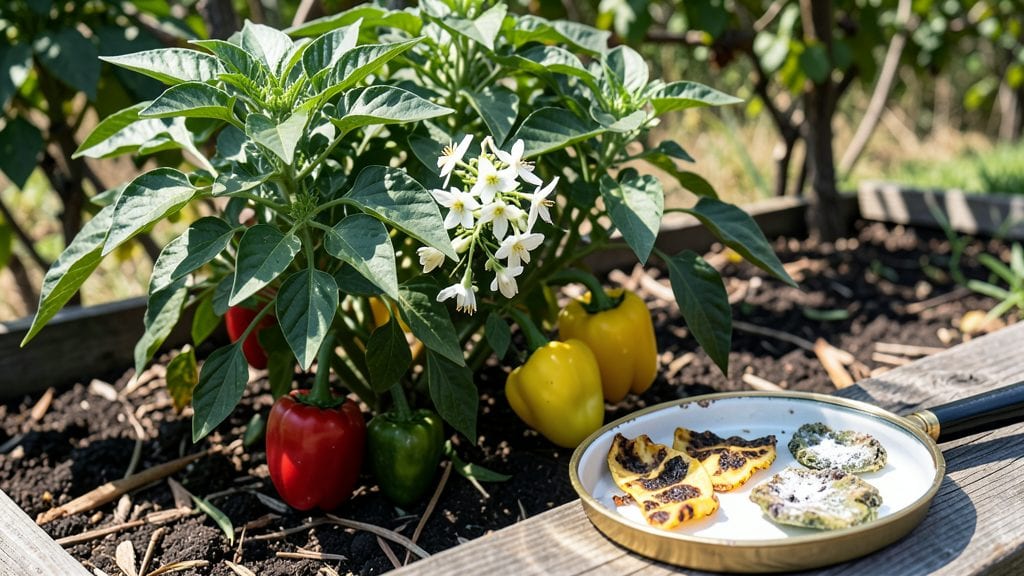
My first pepper plant disease crisis happened in July when those tiny black spots appeared overnight—what I thought was just heat stress turned out to be bacterial spot, and I nearly lost my entire harvest before I even knew what was happening. 🌱 The difference between saving your peppers and watching them wither comes down to spotting problems early, and I’ve learned the hard way which symptoms to watch for.
Most pepper diseases start with subtle clues: yellowing leaves, strange spots, or wilting that doesn’t improve with water. Bacterial spot shows up as greasy black marks, powdery mildew looks like dusting flour, and verticillium wilt causes sudden drooping in just one branch.
The key is acting fast—once these take hold, even organic treatments can’t fully reverse the damage.
You’ll walk away knowing exactly what to look for and how to stop each disease before it spreads. Proper spacing, watering at the base (never overhead), and rotating crops every few years cuts your risk dramatically.
I’ll show you the exact steps that saved my second planting—and how to keep your peppers thriving all season.
This works for greenhouse growers, container planters, and backyard gardeners alike. The tools you need are simple: a spray bottle, copper fungicide (or baking soda mix for mildew), and a sharp eye for those first warning signs. Let’s get your peppers back on track.
Root Causes Behind Pepper Plant Woes
Pepper plants, like any other crop, are vulnerable to diseases due to a mix of environmental, biological, and cultural factors. Understanding why these issues arise is the first step to prevention.
Below, we break down the science behind the most common triggers—so you can address them before they threaten your harvest.
Pepper plants thrive in specific conditions, and when these are disrupted, diseases take hold. Here’s how environmental stress opens the door to trouble:
- Excess Moisture: Peppers hate soggy roots. Overwatering or poor drainage creates the perfect breeding ground for Phytophthora (a water mold) and Fusarium wilt. These pathogens thrive in waterlogged soil, clogging plant vessels and cutting off nutrient flow. 💡 Pro Tip: Ensure containers have drainage holes and avoid watering until the top inch of soil is dry.
- High Humidity: Fungal diseases like powdery mildew and leaf spot spread rapidly in humid conditions (above 75% relative humidity). Warm, moist air allows spores to germinate and infect leaves, reducing photosynthesis and stunting growth.
- Temperature Swings: Peppers prefer consistent warmth (70–85°F). Sudden drops below 50°F weaken their immune response, making them susceptible to bacterial spots or viral infections. Cold stress also slows recovery from existing damage.
Diseases don’t just appear—they’re carried by pathogens that exploit weaknesses in your plants. Here’s how contamination happens:
| Pathogen Type | How It Spreads | Key Entry Points |
|---|---|---|
| Fungi (e.g., Alternaria, Colletotrichum) | Spores travel via wind, water, or tools. Survive in soil/plant debris for years. | Wet leaf surfaces, damaged tissue, or old plant matter. |
| Bacteria (e.g., Xanthomonas, Pseudomonas) | Spread through contaminated water, hands, or infected seeds. Thrive in warm, wet conditions. | Wounds (pruning cuts, hail damage) or natural openings (stomata). |
| Viruses (e.g., Tobacco Mosaic Virus) | Transmitted by insects (aphids), tools, or infected plant sap. Persists in soil for months. | Sap-sucking pests or direct contact with infected plants. |
🔥 Key Takeaway: Rotate crops annually, sterilize tools with 70% isopropyl alcohol, and remove infected plants immediately to prevent cross-contamination.
Even with perfect weather, poor growing practices invite disease. These human errors create vulnerabilities:
- Overcrowding: Dense plantings reduce airflow, trapping moisture on leaves. This slows drying and promotes fungal growth. ✨ Fix: Space peppers 18–24 inches apart for optimal airflow.
- Improper Pruning: Rough cuts or over-pruning create open wounds where bacteria can enter. Always use sterilized shears and make clean cuts at a 45° angle.
- Nutrient Imbalances: Too much nitrogen (lush growth) or too little potassium (weak cell walls) weaken defenses. Test soil pH (aim for 6.0–6.8) and amend with compost or balanced fertilizer.
- Ignoring Pests: Aphids, spider mites, and whiteflies don’t just damage leaves—they vector viruses. A single infestation can turn into a full-blown epidemic if left unchecked.
By tackling these root causes—environmental stress, pathogen exposure, and growing oversights—you’ll create an unfavorable environment for diseases. The next step? Spot the warning signs before they spiral.
Quick Fixes for Pepper Plant Ailments
When your pepper plants show signs of stress, acting fast can mean the difference between a thriving harvest and a lost crop. Below, we’ve mapped out practical, step-by-step solutions for the most common pepper plant diseases, along with prevention tips to keep your plants healthy long-term.
Think of this as your emergency repair kit—ready to tackle issues before they spiral.
Fungal infections thrive in damp, crowded conditions, but they’re not invincible. Here’s how to stop the spread and restore your plants.
🔥 Remove the Infected
- Snip it out: Use sterilized scissors (wipe with rubbing alcohol) to cut off yellowed, spotted, or powdery leaves. Dispose of them in the trash—not the compost!
- Prune strategically: Focus on lower leaves first, as they’re most vulnerable to splashing water during irrigation.
🍳 Fungicide Sprays That Work
- Baking soda spray: Mix 1 tsp baking soda + 1 tbsp vegetable oil + 1 tsp dish soap in 1 quart of water.
Spray every 7–10 days on both leaf surfaces. (Safe for edible plants!) - Neem oil solution: Combine 1 tbsp neem oil + 1 tsp mild soap in 1 quart of water.
Apply early in the morning to avoid burning leaves. (Reapply every 5–7 days.) - Copper-based fungicides: For severe cases, use store-bought copper fungicides (like Bonide Copper Fungicide). Follow label instructions precisely.
🌡️ Adjust Growing Conditions
- Improve airflow: Space plants 18–24 inches apart and prune to encourage circulation.
- Water wisely: Water at the base (not overhead) early in the day so foliage dries quickly.
- Reduce humidity: Use a fan on low speed near plants or increase spacing between rows.
💡 Prevention Pro Tip: Rotate crops annually—never plant peppers in the same spot two years in a row to break fungal cycles. Solarize soil in winter by covering it with clear plastic for 4–6 weeks to kill fungal spores.
Tiny invaders can weaken plants and spread disease. Crush them early with these non-toxic tactics.
👨🍳 Manual Removal (Yes, Really!)
- Blast them off: Spray plants with a strong stream of water (especially undersides of leaves) to dislodge pests.
- Sticky traps: Place yellow sticky traps near plants to catch flying insects like whiteflies.
🥘 Homemade Pest Repellents
- Soapy water spray: Mix 1 tsp castile soap in 1 quart of water.
Spray directly on pests (avoid flowers if possible). - Garlic spray: Blend 2 cloves of garlic + 1 quart of water, strain, and spray. Reapply every 3–4 days. - Insecticidal soap: Use store-bought options (like Safer Brand Insect Killing Soap) for stubborn infestations.
🔪 Introduce Beneficial Bugs
- Ladybugs: Release 2–3 ladybugs per plant—they devour aphids and mites.
- Predatory mites: For spider mites, introduce Phytoseiulus persimilis (available online).
🎯 Prevention Pro Tip:
- Interplant with herbs: Basil, marigolds, and dill repel pests naturally.
- Inspect new plants: Quarantine new additions for 2 weeks before introducing them to your garden.
Bacterial diseases are tricky—once they set in, they’re hard to reverse. Prevention is key, but here’s how to limit damage.
🔪 Surgical Removal
- Cut out infected stems at least 6 inches below visible lesions. Sterilize tools between cuts.
- Burn or trash infected plant debris—do not compost.
💧 Sanitize Everything
- Disinfect tools: Soak pruners in 1 part bleach to 9 parts water for 10 minutes between uses.
- Clean containers: If growing in pots, scrub with soapy water and rinse thoroughly.
🌡️ Adjust Care Routine
- Avoid overhead watering: Use drip irrigation or soaker hoses to keep leaves dry.
- Space plants widely: 3 feet apart reduces humidity and splashing.
✨ Prevention Pro Tip:
- Use resistant varieties: If bacterial blight is common in your area, opt for ‘Aristotle’ or ‘Carmen’ peppers, which are more tolerant.
- Rotate crops and test soil pH (aim for 6.0–6.8—bacteria thrive in alkaline conditions).
Even after treating the issue, give your peppers a boost to bounce back stronger.
- Fertilize lightly: Use a balanced fertilizer (10-10-10) or compost tea to rebuild soil nutrients.
- Mulch: Apply 2–3 inches of organic mulch (straw or shredded leaves) to retain moisture and deter soil-borne diseases.
- Support weak plants: Stake or cage tall peppers to improve airflow and reduce stress.
Final Reminder: The best cure is prevention—healthy soil, proper spacing, and good hygiene go a long way. But if diseases strike, act fast, stay consistent, and don’t give up—your peppers can recover with the right care! 🌱💪
Frequently asked questions about pepper plant health
What are the first signs of bacterial spot on pepper leaves?
Look for tiny, water-soaked spots (about 1/16 inch) that turn dark brown or black with yellow halos. These spots often have greasy edges and may merge into larger lesions. Check undersides of leaves first—this is where bacterial spot loves to hide.
Can I still eat peppers if they have powdery mildew?
Yes, but remove heavily infected leaves first. Powdery mildew only affects foliage, not the fruit itself. Just wash peppers thoroughly before eating. The real risk is losing your plant’s ability to produce—treat it immediately to save future harvests.
How do I know if my pepper plant has verticillium wilt?
Watch for sudden wilting in one branch while others stay healthy, yellowing leaves that start at the bottom, and stunted growth. The stems may show dark streaks when cut open. Unlike drought stress, verticillium wilt doesn’t improve with watering. Remove infected plants immediately to prevent soil contamination.
What's the best way to prevent fungal diseases in container-grown peppers?
Use pots with drainage holes, water at the base (never overhead), and space containers 12–18 inches apart for airflow. Add 1/4 cup baking soda per gallon of water monthly as a preventive spray. Sterilize pots between seasons by soaking in a 10% bleach solution for 10 minutes.
Will my pepper plants recover if I treat them late in the season?
Partial recovery is possible, but focus on saving next year’s crop. Remove all infected leaves, apply copper fungicide, and improve airflow. For mature plants, you may still get some fruit—but prioritize prevention for future plantings. Late-season treatments won’t restore full vigor, but they can limit spread.