
Diseases
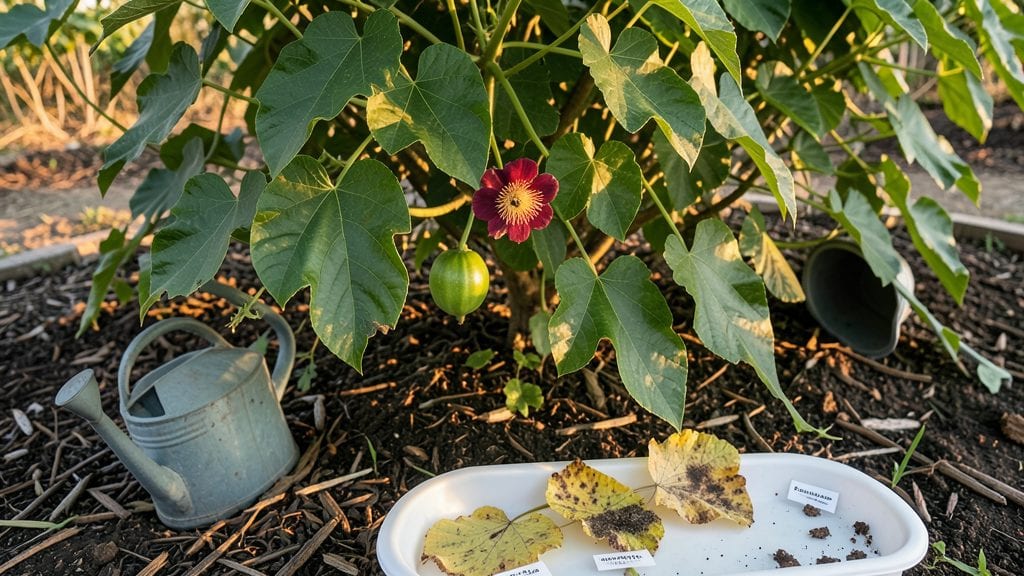
If your passion fruit plant shows wilting leaves or suspicious spots, you’re likely battling common diseases that can ruin your harvest if ignored—here’s how I’ve saved mine in humid climates. plants isn’t guessing—it’s recognizing the symptoms early and acting fast.
The right mix of pruning, fungicides, and airflow control can turn a dying vine back around in just a few weeks.
Most fungal diseases on passion fruit—like powdery mildew or anthracnose—love warm, damp conditions. That’s why your first move should be checking the undersides of leaves for fuzzy white patches or sunken brown spots.
These aren’t just cosmetic; left unchecked, they’ll strangle your plant’s ability to photosynthesize, and your harvest will suffer. The good news? Organic copper sprays and neem oil work surprisingly well when applied at the first sign of trouble.
Within days of proper treatment, you’ll see new growth pushing through, and the vines will start recovering their vibrant green color. The secret is consistency: don’t just treat once and walk away.
Keep an eye on humidity levels, space your plants for airflow, and remove any infected leaves immediately. Your passion fruit vines won’t just survive—they’ll bounce back stronger than ever.
This works for both backyard growers and container gardeners, no matter your climate. The same principles apply whether you’re dealing with a single infected vine or an entire patch. Let’s get those plants back to producing those sweet, tangy fruits you love.
Root Causes Of Passion Fruit Decline
Passion fruit plants, with their vibrant flowers and sweet, tangy fruits, are a gardener’s delight—but they’re not immune to disease. Understanding why these issues arise is the first step to prevention.
Below, we break down the key factors that weaken your passion fruit plants, making them vulnerable to fungal blights and other pathogens.
Passion fruit thrives in warm, tropical climates, but extreme or inconsistent conditions create the perfect storm for disease. Here’s how:
- High humidity (above 80%): Fungal spores like Xanthomonas and Phytophthora thrive in damp environments. Stagnant air traps moisture on leaves, stems, and fruit, accelerating infection.
- Temperature swings: Sudden drops below 60°F (15°C) or spikes above 95°F (35°C) weaken the plant’s natural defenses. Cold stress makes tissue more susceptible to fungal penetration.
- Poor airflow: Dense foliage or overcrowded plants trap moisture. Without circulation, spores spread rapidly, turning minor spots into full-blown blights.
💡 Pro Tip: Space plants 3–4 feet apart and prune for airflow. Use a hygrometer to monitor humidity—aim for 60–70% during peak growth.
Water is essential, but too much—or the wrong kind—can drown your passion fruit’s roots and invite disease. Key culprits:
- Soggy soil: Passion fruit roots need aeration. Waterlogged conditions suffocate roots, making them prone to root rot (caused by Phytophthora or Fusarium).
- Wet foliage: Overhead watering splashes spores onto leaves, triggering bacterial spots or powdery mildew. Wet leaves stay wet longer, extending the infection window.
- Poor drainage: Containers or heavy clay soil that doesn’t drain can trap excess water. Always use pots with drainage holes and amend soil with perlite or sand.
🔥 Action Step: Water at the base in the morning (not evening) and use drip irrigation to avoid leaf contact. Let the top 1–2 inches of soil dry between waterings.
Disease doesn’t just come from the air—it can lurk in your soil, tools, or even last year’s plant debris. Here’s how contamination spreads:
- Reused infected soil: Pathogens like Colletotrichum (anthracnose) survive in old soil. If you replant in the same spot without sterilizing, the cycle repeats.
- Dirty pruners or gloves: Cutting tools can transfer spores from diseased to healthy plants. Even hands carry bacteria if not washed after handling infected leaves.
- Organic matter buildup: Leaving fallen leaves or fruit on the ground creates a breeding ground for fungi. Decomposing plant material releases spores back into the soil.
✨ Prevention Tip: Sterilize tools with 70% isopropyl alcohol or a 10% bleach solution. Solarize soil (cover with clear plastic for 4–6 weeks in summer) to kill pathogens before replanting.
Pests like aphids, mites, and thrips don’t just eat your plants—they create entry points for disease. Here’s the connection:
- Sap-sucking insects: Aphids and mites inject toxins and leave honeydew (a sugary residue) that attracts sooty mold—a fungal hitchhiker.
- Physical wounds: Chewing insects (e.g., fruit flies, beetles) create openings for bacteria and fungi to invade.
- Stress from infestations: A heavily infested plant diverts energy to healing, leaving it vulnerable to secondary infections like Alternaria leaf spot.
🎯 Early Action: Monitor plants weekly for pests. Use neem oil or insecticidal soap for mild infestations, and introduce beneficial predators like ladybugs for long-term control.
By addressing these root causes—humidity, watering, soil health, and pests—you’ll give your passion fruit plants the resilience they need to fight off fungal blights before they take hold. Next, we’ll dive into identifying symptoms so you can act fast!
Quick Fixes for Passion Fruit Ailments
Now that you’ve identified the culprit behind your passion fruit plant’s woes, it’s time to roll up your sleeves and restore your vine to its vibrant, fruit-bearing glory! Below are practical, step-by-step solutions tailored to each common disease, plus prevention tips to keep future outbreaks at bay.
Think of this as your emergency care guide—fast, effective, and easy to follow.
Fungal infections like powdery mildew and anthracnose thrive in damp, warm conditions, but they’re not invincible. Here’s how to kick them to the curb before they ruin your harvest.
🔥 Treat Powdery Mildew: Scrub and Spray
Powdery mildew coats leaves in a chalky white film, blocking sunlight and stunting growth. Act fast with these steps: 1. Prune infected leaves 🌿 – Use sterilized pruners (wipe with rubbing alcohol) to remove heavily affected foliage.
Dispose of clippings in a sealed bag (not compost). 2. Neem oil spray 🍳 – Mix 1 tsp neem oil + 1 tsp mild soap + 1 quart water. Spray both sides of leaves at dawn or dusk (avoid direct sunlight). Repeat every 7–10 days until symptoms fade.
- Baking soda solution 🧂 – For a gentler option, blend 1 tbsp baking soda + 1 tsp oil + 1 gallon water. Spray weekly to raise leaf pH and deter spores.
- Improve airflow 💨 – Space plants 3–4 feet apart and trim dense vines to reduce humidity pockets.
💡 Prevention Pro Tip: Water at the base (never overhead) and mulch with straw to keep soil moist without wetting leaves.
🍳 Anthracnose: Copper Fungicide Rescue
Anthracnose causes dark, sunken lesions on leaves and fruit. This stubborn fungus demands aggressive action: 1. Remove all infected fruit/leaves 🍎 – Burn or trash them immediately (do not compost).
- Copper fungicide spray 🛡️ – Use Bordeaux mixture or copper sulfate (follow label rates). Spray every 10–14 days during wet seasons.
- Sulfur dust 🌡️ – Lightly dust elemental sulfur on leaves (early morning) to prevent spore germination. Reapply after rain.
- Sanitize tools ✨ – Clean pruners with 10% bleach solution between cuts to avoid spreading spores.
💡 Prevention Pro Tip: Avoid overhead irrigation—use drip systems instead to keep foliage dry.
Bacterial infections like bacterial blight or crown rot are trickier because they can’t be cured—only managed. Focus on stopping the spread and strengthening your plant’s defenses.
👨🍳 Bacterial Blight: Copper + Pruning Protocol
- Prune aggressively ⏰ – Cut off all infected leaves and stems (even if just a few spots appear). Sterilize tools between cuts.
- Copper-based bactericide 🛡️ – Spray copper hydroxide (e.g., Kocide) every 7–10 days during outbreaks.
- Hydrogen peroxide rinse 🧪 – Mix 1 tbsp 3% H₂O₂ per quart of water and spray leaves to disinfect surfaces.
- Rotate resistant varieties 🌱 – If bacterial blight is recurrent, switch to disease-resistant passion fruit varieties like ‘Panama Red’ or ‘Sweetie’.
💡 Prevention Pro Tip: Rotate crops—don’t plant passion fruit in the same spot yearly to break bacterial cycles.
🔪 Crown Rot: Save the Roots
Crown rot (often from Phytophthora) attacks the base of the plant, causing wilting and collapse. Act fast to salvage your vine: 1. Dig up the plant 🏔️ – Gently remove it from the soil and trim away mushy, blackened roots.
- Hydrogen peroxide soak 🧴 – Submerge healthy roots in 1:10 water:3% H₂O₂ mix for 10 minutes to kill pathogens.
- Replant in fresh soil 🌱 – Use well-draining, sterilized soil (mix in perlite or sand). Avoid replanting in the same spot for at least 1 year.
- Fungicide drench 💊 – Apply phosphite-based fungicide (e.g., Amistar) to the soil to prevent reinfection.
💡 Prevention Pro Tip: Never overwater—ensure pots/drainage holes are present to avoid soggy roots.
Viral infections (like passion fruit woodiness virus) have no treatment, but you can minimize damage and prevent spread: 1. Remove infected plants immediately 🚫 – Burn or bury them deeply to prevent virus transmission via sap.
- Control vector pests 🐜 – Viruses spread via aphids and whiteflies. Spray neem oil or insecticidal soap weekly.
- Sterilize tools and hands 🧼 – Wash hands with soapy water after handling plants, and disinfect tools between gardens.
- Plant virus-free cuttings ✨ – Source certified disease-free propagules from reputable nurseries.
💡 Prevention Pro Tip: Inspect new plants for yellowing or stunted growth before bringing them home.
No matter the disease, follow this post-treatment care plan to help your passion fruit bounce back:
- Boost nutrition 💪 – Feed with balanced fertilizer (e.g., 10-10-10) and compost tea to strengthen immunity.
- Support weak vines 🌿 – Use trellises to improve airflow and reduce humidity stress.
- Monitor daily 👀 – Check for new symptoms and act at the first sign of relapse.
- Keep a disease journal ✍️ – Note what worked (or didn’t) to refine your strategy next season.
Remember: The key to long-term success is prevention. Healthy plants resist diseases better, so prioritize proper spacing, sanitation, and smart watering. With these fixes, your passion fruit vine will be back to thriving in no time! 🍈✨
Frequently asked questions
What are the most common signs of fungal infections on passion fruit plants?
Look for white powdery coatings (powdery mildew), dark sunken spots on leaves or fruit (anthracnose), or yellowing leaves with black streaks (bacterial blight). These symptoms often appear on the undersides of leaves first, where humidity traps spores. Check your vines weekly, especially after rain or high humidity.
Can I use homemade remedies to treat passion fruit diseases?
Yes! For mild cases, try a neem oil spray (1 tsp neem oil + 1 tsp soap in 1 quart water) or baking soda solution (1 tbsp baking soda + 1 tsp oil in 1 gallon water). These work well for powdery mildew but may need 3-4 applications spaced 7 days apart. For bacterial infections, copper-based sprays are more effective—homemade remedies alone won’t cure them.
Why does my passion fruit plant keep getting diseases even after treatment?
Persistent issues often stem from poor airflow, overwatering, or reusing infected soil. Prune for better circulation, water at the base (not overhead), and sterilize tools between cuts. If problems recur, try crop rotation—don’t replant passion fruit in the same spot for at least 1 year to break disease cycles. Solarizing soil (covering with plastic for 4-6 weeks) can also kill lingering pathogens.
Are there disease-resistant passion fruit varieties I should consider?
Yes! Varieties like ‘Panama Red’ and ‘Sweetie’ show better resistance to bacterial blight and fungal diseases. If your current plants struggle, try these or other hybrid varieties bred for disease tolerance. Always source cuttings from reputable nurseries that test for virus-free stock to avoid introducing new problems.