
Watering
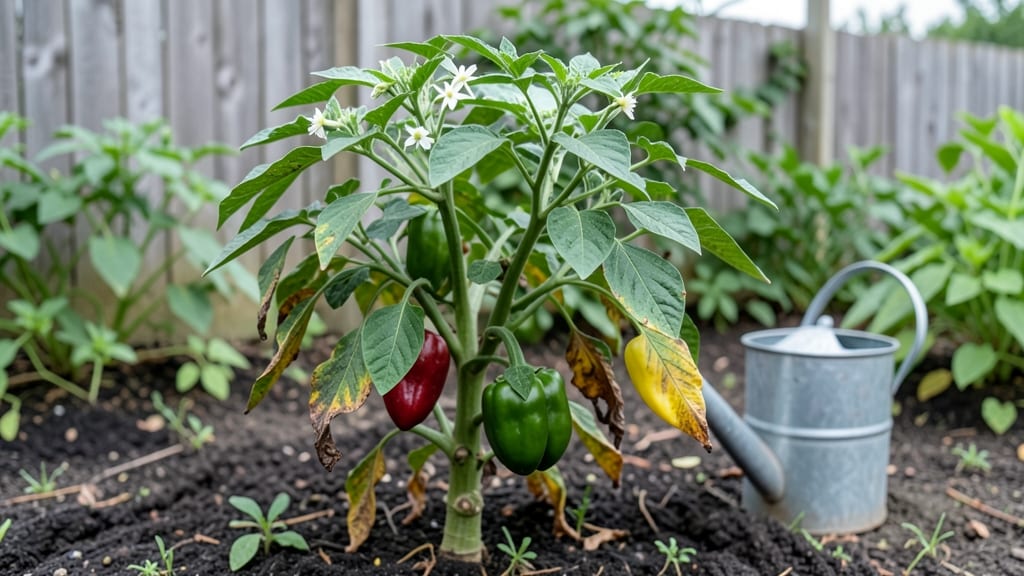
Those sad, overwatered pepper plant leaves turning yellow and mushy aren’t a death sentence—just a fixable watering mistake. 🌱 I’ve nursed back plants that looked hopeless with these simple steps, and the key is acting fast before root rot takes over.
The second you see those limp, dark spots, you’ve got a window to turn things around.
Overwatering happens when soil stays soggy for days, cutting off oxygen to roots. Peppers hate "wet feet" more than any other vegetable—once roots suffocate, leaves yellow, stems soften, and the plant can’t absorb nutrients.
The good news? Most overwatered peppers bounce back in 1-2 weeks with the right care, especially if you catch it early.
Start by checking the soil: if it smells like a swamp or feels like a damp sponge, you’ve got work to do. Let the top 2-3 inches dry out completely before watering again, and make sure your pot has drainage holes.
For containers, I swear by mixing in perlite or coarse sand to improve airflow—it’s the difference between a drowning plant and one that thrives.
Once you’ve adjusted watering, focus on the leaves: trim any blackened or mushy ones with clean scissors, and give the plant a bright, indirect spot to recover.
Within days, you’ll see new growth pushing through, and those once-sad leaves will firm up again. The secret? Consistency—peppers prefer deep but infrequent watering over daily sips.
Root Causes Behind Soggy Leaves
Overwatering your pepper plants may seem like a harmless mistake, but it can quickly turn into a full-blown crisis for your plants. When leaves start looking sad, yellow, or mushy, the problem often starts below the soil—literally.
Let’s dig into the science behind why this happens and what’s really stressing your peppers.
💡 Why it happens: Pepper plants thrive in well-draining soil, but if your pots or garden beds lack proper drainage, excess water pools around the roots. Without oxygen, roots suffocate, leading to root rot—a fungal infection that blocks nutrient uptake.
This causes leaves to yellow, wilt, or develop brown, crispy edges as the plant struggles to survive.
Key triggers:
- Clay-heavy or compacted soil (holds water like a sponge).
- Pots without drainage holes (water sits instead of escaping).
- Overzealous watering (especially if rain or irrigation adds to the mix).
Actionable fix: Amend soil with perlite, coconut coir, or sand to improve aeration. If repotting, choose containers with drainage holes and elevate pots to prevent waterlogging.
🌡️ Why it happens: Roots need oxygen to respire and absorb water/nutrients. When soil stays soggy for days, oxygen levels plummet, forcing roots to "drown." This triggers anaerobic conditions, where harmful bacteria and fungi thrive, weakening the plant’s structure.
Leaves may droop or develop black spots as cells break down from lack of energy.
Key triggers:
- Watering on a schedule (instead of checking soil moisture).
- Heavy or frequent rains (combined with poor drainage).
- Using saucers under pots (trapping excess water).
Actionable fix: Stick your finger 1–2 inches into the soil—if it’s damp, wait. Use a moisture meter for precision, and avoid saucers unless they’re slightly elevated with pebbles to allow evaporation.
✨ Why it happens: Overwatering leaches essential nutrients (like nitrogen, phosphorus, and potassium) out of the root zone, even if fertilizer is present. The excess water also dilutes the soil’s nutrient concentration, leaving your pepper plant starving despite wet conditions. Symptoms include yellowing between leaf veins (chlorosis) or stunted growth.
Key triggers:
- Frequent watering after fertilizing (washes away nutrients).
- Using tap water high in salts/minerals (further stresses roots).
- Peat-based soils breaking down (releases acids that harm roots).
Actionable fix: Flush the soil occasionally with plain water to reset nutrient balance. Switch to slow-release fertilizer or foliar sprays to bypass soil issues. Test your water’s pH—peppers prefer 6.0–6.8.
🍄 Why it happens: Overwatering doesn’t just affect roots—it also creates a perfect breeding ground for fungal diseases like Phytophthora or Alternaria. Wet foliage (from overhead watering or humidity) traps spores, leading to leaf spots, powdery mildew, or blight.
These infections clog stomata (pores), preventing gas exchange and causing leaves to yellow or drop prematurely.
Key triggers:
- Watering from above (soaks leaves instead of soil).
- High humidity + poor airflow (common in greenhouses or dense plantings).
- Using contaminated tools (pruners, pots) that spread spores.
Actionable fix: Water at the base of the plant in the morning so leaves dry quickly. Space plants for airflow, and remove infected leaves immediately. Apply copper fungicide preventatively if your area is prone to fungal outbreaks.
🌡️ Why it happens: Waterlogged soil absorbs and retains heat differently than dry soil, creating temperature fluctuations that shock roots. Cold, wet soil can’t warm up quickly, slowing metabolic processes and causing leaf curl or necrosis (dead tissue).
In hot climates, soggy soil may also lead to root burn from uneven heat distribution.
Key triggers:
- Planting in low-lying areas (where cold air pools).
- Using black pots in full sun (absorbs heat, then traps moisture).
- Sudden temperature drops (e.g., nighttime chills after watering).
Actionable fix: Choose terracotta or fabric pots for better temperature regulation. Mulch with straw to insulate roots and prevent soil temperature swings. Avoid watering late in the day to reduce nighttime stress.
Pro Tip: 🔥 If your pepper plant’s leaves feel squishy or blacken easily, it’s a red flag for overwatering. Act fast—trim damaged leaves and adjust your watering routine before the roots give out completely!
Revive Your Peppers: Step-by-Step Fixes
Overwatered pepper plants can feel like a lost cause, but with the right care, you can bring them back to vibrant life. The key is acting fast—before the roots rot or the plant succumbs to stress.
Below, we’ll map out practical solutions based on the root cause of your soggy leaves, along with prevention tips to keep your peppers thriving long-term.
If your pepper leaves are yellowing (especially the older ones), the soil is likely waterlogged, cutting off oxygen to the roots. Act now to save them:
1️⃣ Stop Watering Immediately
🚰 What to do:
- Pause all watering for 24–48 hours to let the soil dry out.
- If the pot has drainage holes, tip it sideways to let excess water escape.
- For container plants, check the weight—if it feels heavy, it’s still too wet.
2️⃣ Improve Drainage Fast
🏗️ What to do:
- Repot if needed: If the soil stays soggy for days, move the plant to a larger pot with fresh, well-draining potting mix (add perlite or sand for aeration).
- Raise the pot: Place it on a drip tray or elevated stand to prevent water pooling.
- Break up compacted soil: Gently loosen the top 2 inches of soil with a fork to help it dry faster.
3️⃣ Trim Damaged Foliage
✂️ What to do:
- Snip off yellow or mushy leaves with clean scissors to redirect energy to healthy growth.
- Avoid cutting into green stems—focus on only the worst-affected leaves.
💡 Pro Tip: If the plant is in a clay pot, switch to a fabric grow bag—they dry out faster and prevent overwatering.
Wilting peppers with soft, limp leaves signal root rot or severe water stress. Time-sensitive fixes:
1️⃣ Check for Root Rot
👨🍳 What to do:
- Gently remove the plant from its pot and inspect the roots.
- Healthy roots: Firm, white, or light tan.
- Rotten roots: Dark, mushy, or smelly.
- If <30% of roots are rotten, trim the bad ones with sterilized scissors and replant in fresh soil.
- If >50% are rotten, you may need to propagate from cuttings (if possible) or start over.
2️⃣ Revive with a Root Boost
💊 What to do:
- Hydrogen peroxide soak (3% solution): Dilute 1 tbsp per gallon of water and soak roots for 10 minutes to kill fungus/bacteria.
- Fungicide treatment: Spray copper fungicide or neem oil on roots and soil before replanting.
- Repot in fresh mix: Use a sterilized pot with cactus/succulent mix + perlite (60/40 ratio).
3️⃣ Adjust Watering Habits
💧 What to do:
- Water only when the top 1–2 inches of soil are dry (stick your finger in to check).
- Water deeply but infrequently: Aim for 1–1.5 gallons per plant every 7–10 days (adjust for pot size).
- Use the "thumb test": Press your thumb into the soil—if it springs back, it’s dry enough.
✨ Prevention Tip: Install a self-watering sensor (like a moisture meter) to avoid guesswork.
If leaves have brown, crispy edges but aren’t fully yellow, your plant is overwatered and underwatered—likely due to poor drainage or inconsistent watering.
1️⃣ Flush the Soil
🚿 What to do:
- Place the pot in a sink and run lukewarm water through the soil until it drains clean.
- Let it air-dry completely (24–48 hours) before watering again.
2️⃣ Adjust Humidity & Airflow
🌬️ What to do:
- Move the plant to a bright, indirect spot (no direct sun yet—it stresses weak plants).
- Use a small fan on low for 1–2 hours daily to improve airflow and prevent fungal growth.
- Mist lightly (if humidity is <40%) to rehydrate leaves without soggy soil.
3️⃣ Fertilize Gently
🌱 What to do:
- Wait 1–2 weeks before fertilizing—overwatered plants can’t absorb nutrients properly.
- Use a diluted seaweed fertilizer (½ strength) or fish emulsion to rebuild strength.
🎯 Long-Term Fix: Switch to drip irrigation for precise water control.
Once your plant recovers, lock in healthy habits to avoid future overwatering:
| Problem | Solution | Frequency |
|---|---|---|
| Poor drainage | Use pots with holes + saucers | Check monthly |
| Inconsistent watering | Stick to a schedule (e.g., Tues/Thurs) | Adjust seasonally |
| Compacted soil | Top-dress with perlite every 3 months | Spring/Fall |
| Overpotting | Repot every 1–2 years (1–2" larger pot) | Early spring |
| Ignoring signs | Check leaves weekly for early clues | Always! |
💡 Bonus Tip: Group peppers with thyme or basil—they thrive in similar conditions and help regulate soil moisture!
By following these cause-specific fixes, your pepper plant should bounce back in 2–4 weeks. Stay patient, adjust your watering game, and soon you’ll be harvesting plump, vibrant peppers instead of sad, soggy leaves! 🌶️💚
Frequently asked questions
How do I tell if my pepper plant leaves are overwatered vs. underwatered?
Overwatered leaves feel soft, mushy, or squishy when pressed, and may turn yellow with brown edges. They often droop but feel heavy. Underwatered leaves are crispy, dry, and light in weight. Check the soil: if it smells like a swamp or feels damp 1-2 inches down, you're overwatering. If it's bone-dry, you're underwatering.
Can I save my pepper plant if the leaves are already black and mushy?
You might still save it if you act fast! Trim away all blackened leaves with clean scissors, then check the roots. If they're mostly firm, repot in fresh, dry soil with perlite and stop watering for 48 hours. If over 50% of roots are rotten, propagation from healthy stems may be your best option.
Why do some pepper leaves yellow while others stay green?
Yellowing typically starts with older leaves first because the plant prioritizes feeding new growth. This is called chlorosis and often signals overwatering or nutrient deficiencies. If only lower leaves yellow while upper leaves stay green, check for root issues. If it's patchy, fungal disease might be spreading.
How often should I water peppers to prevent overwatering?
Peppers prefer deep but infrequent watering. Water when the top 1-2 inches of soil are completely dry—usually every 7-10 days for containers. In-ground plants may need weekly watering. Always use pots with drainage holes, and water at the base in the morning to prevent fungal growth.
What's the best soil mix to prevent overwatering?
Use a well-draining mix like 60% potting soil + 30% perlite + 10% compost. Avoid heavy garden soil or peat-based mixes that compact. For containers, elevate pots on feet or use saucers with drainage holes. Add a 2-inch layer of gravel at the bottom of pots to improve airflow.