
Flowers
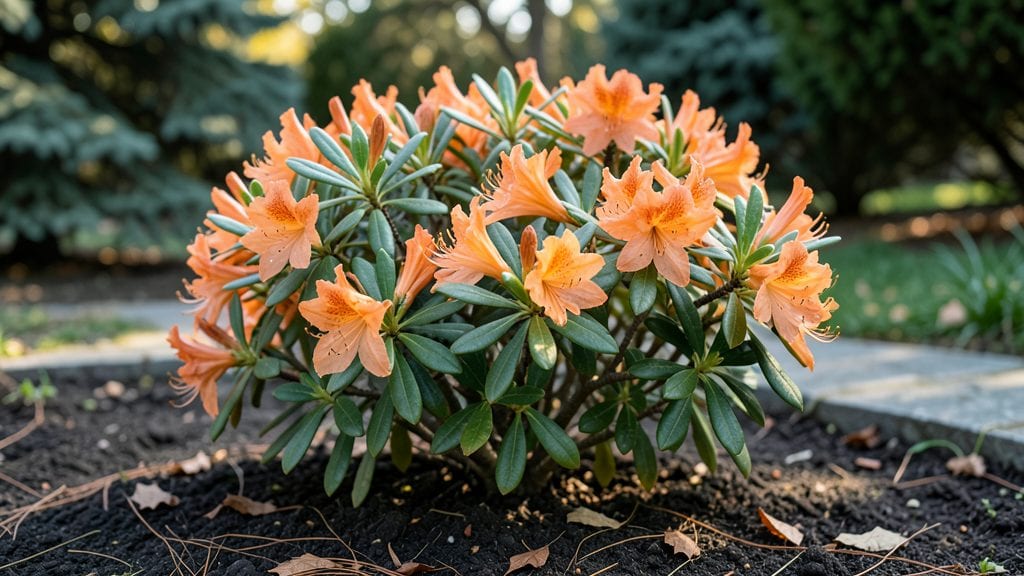
This fiery orange azalea plant thrives in sunlit spots where other azaleas falter—my own garden proves they need bold light, not shade, to burst into bloom. 🌸 and care. The difference between a struggling plant and one that blooms like crazy every spring often comes down to these three factors.
These azaleas thrive in partial sun to full sun, unlike their shade-loving cousins, making them perfect for southern exposures or bright spots in the landscape. They demand acidic, well-draining soil—think pine bark or peat moss mixed into your native dirt—and need consistent moisture without soggy roots.
Pruning after blooming keeps them compact and encourages bigger flowers next season.
What you’ll end up with is a shrub that bursts into vibrant orange blooms from late spring through summer, often reblooming in fall if you give it the right care.
The foliage stays glossy green all year, and with proper attention, these plants live for decades. They’re also deer-resistant, which is a bonus if you’re battling wildlife in your yard.
From choosing the right spot to handling pests like lace bugs, I’ll walk you through every step to keep your orange azalea looking its best. Even if you’ve killed azaleas before, this method works—honestly, I’ve revived more than a few myself.
📚 In This Guide
- What you need
- Instructions
- Tips and common mistakes
- Wrapping up and next steps
What you need
- ● Orange Azalea Plant: Choose a healthy Rhododendron variety like ‘Girard’s Orange’ or ‘Orange Triumph’ (1-3 plants, depending on desired coverage).
- ● Well-draining acidic soil: Mix 3 parts peat moss or pine bark + 1 part perlite + 1 part sand (pH 4.5–6.0).
- ● Organic fertilizer: Acid-loving plant food (e.g., Miracle-Gro Azalea, Camellia & Rhododendron or Oscozine).
- ● Mulch: 2–3 inches of pine straw, bark, or wood chips (keeps roots cool and moist).
- ● Watering can or hose with a gentle spray nozzle: Azaleas hate soggy roots!
- ● Pruning shears: Sharp, sterilized shears for shaping (clean with rubbing alcohol between cuts).
- ○ Gloves (optional): Protects hands from soil and thorns.
- ● Sunlight: Partial shade (morning sun + afternoon shade) or dappled sunlight (6+ hours/day in cooler climates).
- ● Climate: Thrives in USDA Zones 6–9; protect from harsh winds or frost.
- ● Water access: Consistent moisture (but avoid waterlogging).
- ● Patience: Container-grown azaleas may take 1–2 years to bloom fully.
- ● Soil pH test kit: Ensures your soil stays acidic.
- ● Drip irrigation system: Automates watering for busy gardeners.
- ● Slow-release fertilizer pellets: Reduces monthly feeding.
- ● Bird netting: Protects blooms from hungry critters.
Step-by-Step guide to planting and caring for an orange azalea
Here's how to grow vibrant orange azaleas that burst with color season after season.
🪴 Step 1: Choose the Right Location and Prepare the Soil
Orange azaleas need partial shade to full sun—at least 4-6 hours of sunlight daily, but they’ll appreciate afternoon shade in hotter climates. I always pick a spot with morning sun and dappled afternoon shade for the best blooms. Avoid deep shade, which leads to weak growth and sparse flowers.
These plants thrive in acidic, well-draining soil with a pH between 4.5 and 6.0. If your soil is heavy clay or alkaline, mix in 2-3 inches of peat moss or pine bark fines into the top 12 inches of soil. Work in 2-3 cups of sulfur per 100 square feet if your soil test shows a pH above 6.0—azaleas won’t tolerate alkaline conditions.
🌱 Step 2: Plant Your Orange Azalea Correctly
Dig a hole twice as wide as the root ball but only as deep as the container it came in. Gently remove the plant from its pot and loosen any circling roots with your fingers—this encourages outward growth. Place the azalea in the hole so the top of the root ball sits 1 inch above the surrounding soil level. Orange azaleas hate having their crown buried too deep.
Backfill with the amended soil, pressing lightly around the roots to remove air pockets. Water deeply right after planting to settle the soil and eliminate gaps. Mulch with 2-3 inches of pine straw or bark to retain moisture and keep roots cool. Avoid wood chips—they can raise soil pH over time.
💧 Step 3: Water and Fertilize for Long-Lasting Blooms
Orange azaleas need consistent moisture but never soggy soil. Water 1-2 times per week, depending on rainfall, until the top 2 inches of soil feel dry. Deep watering encourages strong root growth—always water at the base, not overhead, to prevent fungal diseases. In hot summers, you may need to water every 2-3 days if the soil dries quickly.
Fertilize in early spring with an acid-loving plant fertilizer (look for one labeled for azaleas, rhododendrons, and camellias). Apply ½ the recommended dose—these plants are sensitive to excess salts. I also add a handful of cottonseed meal around the base in late winter to boost organic nutrients without altering pH.
☀️ Step 4: Prune and Maintain for Healthy Growth
Prune right after flowering (late spring to early summer) to shape the plant and encourage next year’s blooms. Remove dead, crossing, or weak branches first, then trim back any leggy growth by ⅓ of its length. Never prune into old wood—orange azaleas bloom on new growth, so avoid heavy cuts that remove flower buds.
Watch for yellowing leaves, which often signal overwatering or poor drainage. If you notice brown tips, it’s usually a sign of underwatering or high soil pH. Adjust your watering schedule or test your soil and amend as needed. A light application of iron sulfate can help if leaves lose their vibrant color.
⏰ Step 5: Overwinter for Next Year’s Blooms
Orange azaleas are semi-evergreen and generally handle winter well, but young plants or those in colder zones need extra care. Apply 4-6 inches of mulch around the base in late fall to insulate roots. If you’re in Zone 5 or colder, wrap the plant in burlap or use a frost cloth during extreme cold snaps to prevent winter burn.
Reduce watering in late fall—roots should stay slightly moist but not wet. Prune lightly in early spring to remove any frost-damaged branches before new growth begins. With proper winter care, your orange azalea will reward you with bold, vibrant blooms year after year.
Tips & tricks for perfect orange azalea plant care
Here's what I've learned from years of growing these stunning orange azaleas—tricks that'll help you avoid common pitfalls and get the most vibrant blooms.
Location is Everything: When selecting your spot, pay attention to the 4-6 hours of sunlight mentioned in Step 1. I've found that east-facing locations with morning sun work best—this gives them enough light without the harsh afternoon heat that can scorch leaves. If you're in a hot climate, that afternoon shade becomes even more critical. I always test a spot by observing how other plants grow there for a season before committing.
Soil Preparation Secret: The 2-3 inches of peat moss or pine bark fines in Step 1 are non-negotiable for proper drainage. I like to add a handful of cottonseed meal (mentioned in Step 3) during this preparation too—it helps establish the right pH right from the start. For a quick test, mix a little soil with vinegar: if it fizzes, your soil is alkaline and definitely needs amendment.
Planting Depth Matters: That 1 inch above soil level in Step 2 is crucial—any deeper and your azalea will suffocate. I use a small stake marked at the right height to check depth before backfilling. Also, gently pressing the soil around roots helps eliminate air pockets that can cause rot, but don't compact it too tightly or you'll restrict root growth.
Watering Wisdom: The 1-2 times per week guideline in Step 3 is perfect, but timing matters just as much. I water deeply in the morning so the soil has all day to dry out. A good rule is to check soil moisture by sticking your finger 2 inches down—if it feels dry, it's time to water. Overhead watering can lead to fungal issues, so always water at the base.
Pro Tips for Orange Azalea Plant
- Here's what I've learned from years of growing these stunning orange azaleas—tricks that'll help you avoid common pitfalls and get the most vibrant blooms.
- Location is Everything: When selecting your spot, pay attention to the 4-6 hours of sunlight mentioned in Step 1.
- Soil Preparation Secret: The 2-3 inches of peat moss or pine bark fines in Step 1 are non-negotiable for proper drainage.
Frequently asked questions
Can orange azaleas survive in full sun?
While they love bright, indirect light, most orange azaleas prefer morning sun + afternoon shade (especially in hot climates). Too much direct sun can scorch leaves or fade blooms. If your plant is in full sun, monitor for wilting—gradually acclimate it to more shade if needed.
How often should I water an orange azalea?
Keep soil consistently moist but not soggy—water when the top 1–2 inches feel dry. Overwatering is riskier than underwatering! Azaleas hate "wet feet," so ensure pots have drainage holes. In summer, water daily in extreme heat; reduce to 2–3 times/week in cooler months.
When and how should I prune orange azaleas?
Prune right after blooming (late spring/early summer) to shape the plant and encourage next year’s flowers. Use clean, sharp shears to trim dead or overcrowded branches—avoid cutting into old wood. Never prune in fall or winter, as it removes next season’s flower buds!
What pests commonly attack orange azaleas, and how do I treat them?
Watch for azalea lace bugs, spider mites, or scale insects (look for yellowing leaves, sticky residue, or tiny webs). Treat lightly infested plants with neem oil or insecticidal soap. For severe cases, use systemic granules (like imidacloprid) or consult a local nursery for targeted solutions.
Can I grow orange azaleas in containers, and what’s the best soil mix?
Use a well-draining potting mix blended with peat moss or pine bark (azaleas thrive in acidic soil, pH 4.5–6.0). Add perlite for aeration, and repot every 2–3 years. Containers dry out faster—check soil moisture daily in summer.
Why aren’t my orange azaleas blooming?
Lack of blooms often stems from over-fertilizing (especially with high-phosphorus feeds), poor sunlight, or stress from transplant shock. Ensure your plant gets 6+ hours of light and fertilize with an acid-loving plant formula (like 8-3-9) in early spring. Patience! Some varieties need 2–3 years to mature.
Wrapping up and next steps
Growing an orange azalea plant is a rewarding way to bring vibrant color and year-round beauty to your garden! 🌸 With the right care—balancing sunlight, soil, and water—you’ll enjoy stunning blooms that last.
Whether you’re a seasoned gardener or just starting, these tips will help you nurture a thriving, sun-loving azalea that keeps giving.
Ready to dive in? Start by selecting your perfect spot—then grab your shears and get planting! Your garden (and future visitors) will thank you for the cheerful splash of orange.