
Fertilization
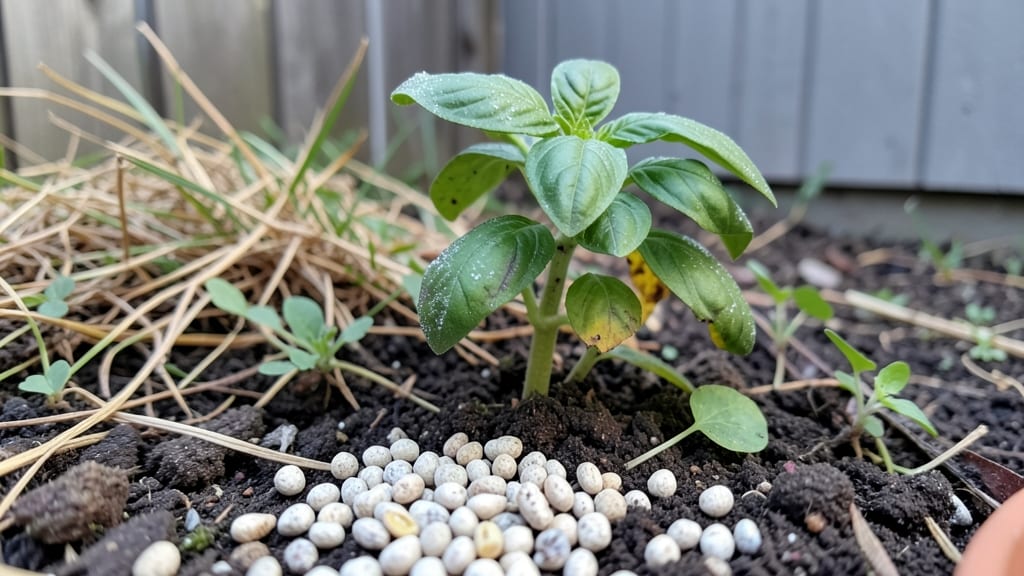
Using NPK plant food optimizes plant growth by delivering nitrogen (N) for leaf development, phosphorus (P) for root and flower strength, and potassium (K) for disease resistance and fruit production. The key is adjusting NPK ratios to match your plant's growth phase—seedlings thrive with higher nitrogen, blooming plants need more phosphorus, and mature plants benefit from balanced potassium.
NPK fertilizers work like a plant's nutritional powerhouse, where each number represents a critical role.
Nitrogen (the first number) is the growth engine, helping plants produce lush green foliage by supporting chlorophyll production. 🌱 Phosphorus (the second number) acts as the energy transfer system, essential for root development and flowering, while potassium (the third number) strengthens cell walls and improves stress tolerance.
What's interesting is how these numbers interact—using a 10-10-10 blend for general garden use provides balanced support, while specialized plants like roses often need higher phosphorus (like 10-20-20) to encourage vibrant blooms.
When selecting NPK fertilizers, consider your specific plants and their growth stages. For example, leafy greens benefit from higher nitrogen early on, while fruiting plants like tomatoes often need more potassium during their later stages.
Organic options like compost or bone meal provide slow-release nutrients, while synthetic fertilizers offer precise control over NPK ratios. Always check your soil's current nutrient levels before applying to avoid over-fertilizing, which can damage plants rather than help them.
💡 In This Article
- NPK Ratios Explained: How Nitrogen, Phosphorus, and Potassium Work Together
- Choosing the Right NPK Fertilizer for Your Garden Plants
NPK ratios explained: how nitrogen, phosphorus, and potassium work together
Here's what's actually happening inside your plants when you adjust NPK ratios. Nitrogen (N) is the chlorophyll factory—it helps create the green pigment that captures sunlight for photosynthesis.
Without enough nitrogen, leaves turn yellow (chlorosis) because chlorophyll production slows down. 🌿 Think of it like a car engine: nitrogen provides the fuel for the plant's energy production system, enabling rapid leaf and stem growth.
A 10-10-10 fertilizer gives equal support, but seedlings often need higher nitrogen ratios (e.g., 24-0-0) to build their initial structure quickly.
The phosphorus (P) number is all about energy transfer—the plant's cellular battery system. Phosphorus helps convert sunlight into usable energy through ATP (adenosine triphosphate), the molecule that powers all plant functions.
It's especially critical during root development and flowering because these processes require massive energy investments. 💡 For example, a 5-10-5 ratio is common for flowering plants because phosphorus stimulates root growth and flower bud formation.
When phosphorus is deficient, you'll see stunted growth and poor flowering, even if the plant looks green.
Potassium (K) acts like the plant's immune system and quality control manager. It regulates water movement through cell membranes and activates enzymes that help plants resist diseases and environmental stresses.
Potassium also plays a key role in fruit development, improving size, color, and sugar content. 🍅 The 10-10-10 ratio provides balanced potassium, but fruiting plants often need higher potassium (e.g., 5-10-15) to prevent blossom-end rot in tomatoes or improve fruit quality.
Too little potassium leads to weak stems and poor disease resistance, while excess can cause leaf burn by disrupting cellular water balance.
What most people don't realize is how these nutrients compete for uptake. Plants absorb nitrogen most readily, which means if you over-apply nitrogen, phosphorus and potassium uptake can be reduced by 20-30% due to competition at the root level.
This is why balanced fertilizers like 10-10-10 work so well—they provide all three nutrients in proportions that plants can absorb efficiently without creating imbalances. The science behind this involves ion exchange in the soil, where roots compete for positively charged ions (like NH₄⁺ for nitrogen and K⁺ for potassium).
Imbalances create telltale symptoms that help diagnose nutrient deficiencies. Nitrogen deficiency shows as yellowing leaves starting from the oldest (senescent) leaves, while excess nitrogen causes dark green, lush growth that's weak and prone to pests.
Phosphorus deficiency appears as purplish leaves (especially on undersides) and stunted roots, while excess phosphorus can tie up other nutrients like zinc and iron. Potassium deficiency causes yellowing at leaf edges (scorching) and weak stems, while toxicity leads to brown leaf margins and poor fruit quality. 🌱
Consider how these ratios affect different plant types. Vegetables like tomatoes typically need a 5-10-10 ratio during fruiting to prevent blossom-end rot, while lawns benefit from higher nitrogen (24-0-10) for rapid green-up.
Flowering plants often require higher phosphorus (10-20-20) to encourage abundant blooms. The key is matching the NPK ratio to the plant's current growth phase—what works for seedlings won't work for mature plants.