
Companion Plants
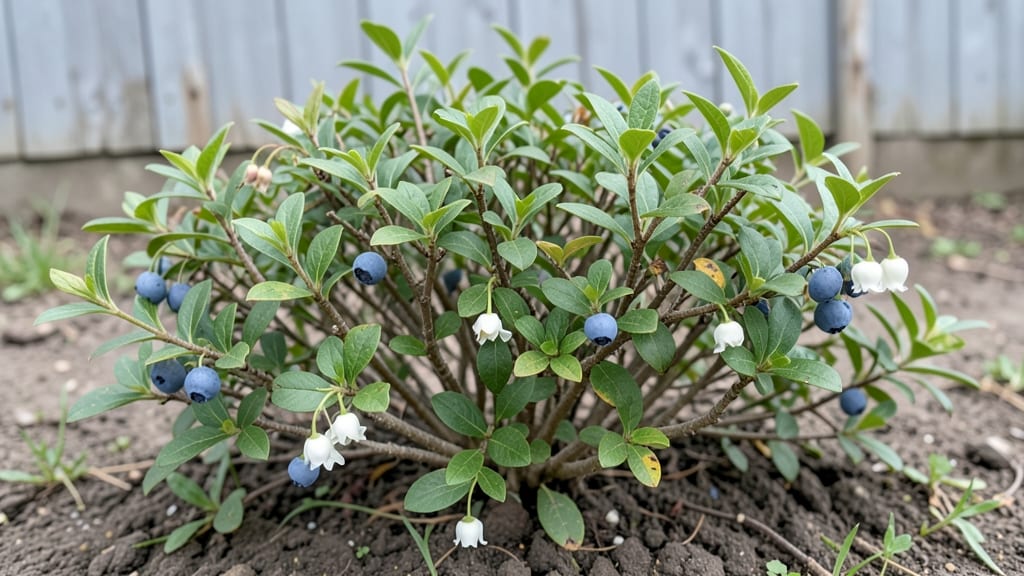
Growing northern blueberry plants has been my secret weapon for a low-maintenance harvest that lasts from summer through fall—no fancy pruning required. The first year I planted these hardy bushes, I was skeptical about the effort, but they thrived in my acidic soil with just basic care.
What surprised me most? The way they spread and produce fruit year after year with minimal attention.
The real magic happens in the soil—these plants demand acidic conditions (think pH 4.5–5.5) and well-draining mixes, but once you get that right, they’re practically foolproof. You’ll need full sun (6+ hours daily) and consistent moisture, but unlike fussy fruits, blueberries handle drought and cold like champs.
I’ve even seen mine bounce back after light freezes—a game-changer for northern climates.
By late summer, you’ll be picking sweet, plump berries that taste nothing like the store-bought kind. The bushes stay productive for decades, and the best part? You can propagate them easily from cuttings or buy cold-hardy varieties like ‘Patriot’ or ‘Bluecrop’ for zones 3–7.
No pruning drama, just reliable harvests—here’s how to set yours up for success.
Whether you’re a first-timer or expanding your orchard, these bushes adapt to containers or in-ground beds. The key is patience—they take 2–3 years to fruit fully, but once they do, you’ll wonder why you didn’t plant more sooner. Let’s get those roots in the ground!
📚 In This Guide
- What you need
- Instructions
- Tips and common mistakes
- Wrapping up and next steps
What you need
- ● Northern blueberry plants: 3–5 mature bushes (choose varieties like 'Patriot,' 'Bluecrop,' or 'Jersey' for cold hardiness).
- ● Well-draining acidic soil: Test soil pH (ideal: 4.5–5.5); amend with peat moss or sulfur if needed.
- ● Compost or organic matter: 2–3 inches mixed into planting holes for nutrients.
- ● Mulch (pine needles or wood chips): 3–4 inches to retain acidity and moisture.
- ● Drip irrigation or soaker hose: For consistent watering (avoid overhead sprinklers).
- ● Fertilizer: Acid-loving plant fertilizer (e.g., 10-10-10 with iron sulfate) or cottonseed meal (5 lbs per 100 sq ft).
- ● Pruning shears: Sharp, sterilized tools for minimal trimming.
- ● Gloves & protective clothing: For handling thorny branches and acidic soil.
- ● Blueberry plant food: Slow-release pellets for convenience.
- ● Row covers: Frost protection for early spring/late fall.
- ● Soil pH test kit: Monitor acidity levels yearly.
- ● Bird netting: Protect ripe berries from hungry critters.
- ● Companion plants: Rhododendrons or azaleas (they thrive in similar conditions!).
Instructions for planting and maintaining northern blueberry plants
Here's how to establish thriving northern blueberry bushes that reward you with fruit year after year.
Select the Perfect Planting Site and Prepare the Soil
Northern blueberries demand acidic soil with a pH between 4.5 and 5.5—this is non-negotiable for healthy growth. Test your soil before planting; if it's above 5.5, amend with 1-2 pounds of elemental sulfur per 100 square feet and mix it into the top 12 inches of soil. I like to plant mine in a raised bed filled with a 50-50 mix of peat moss and pine bark fines—this keeps the acidity stable and prevents compaction.
Choose a location with full sun exposure (at least 6-8 hours daily) and well-draining soil. Blueberries hate soggy roots, so avoid low spots where water pools. If your yard has heavy clay, amend the planting hole with 2 parts native soil to 1 part peat moss to improve drainage while maintaining acidity.
Plant Bare-Root Blueberries at the Right Time and Depth
Plant 2-year-old bare-root bushes in early spring (just as buds swell) or fall (6-8 weeks before your first frost). Dig a hole twice as wide as the root ball but only as deep—the top of the root flare should sit 1 inch above ground level. This prevents the stem from rotting as the soil settles.
Spread the roots gently outward and backfill with the amended soil, tamping lightly to remove air pockets. Water deeply until the soil 2 inches below the surface feels moist. Mulch with 3 inches of pine needles or wood chips to conserve moisture and slowly acidify the soil over time. Avoid fresh wood chips—they can rob nitrogen as they break down.
Water Deeply and Maintain Consistent Moisture
Blueberries need 1-1.5 inches of water per week, but they hate dry spells or waterlogged soil. Water deeply 2-3 times per week during the first growing season to encourage deep root growth. You'll know you're doing it right when the soil 2-3 inches down stays consistently moist but not soggy.
Install a drip irrigation system if possible—it delivers water slowly at the base and reduces fungal diseases from overhead moisture. Avoid wetting the leaves, especially in humid climates, as this promotes powdery mildew. If you must water by hand, do it early in the morning so foliage dries quickly.
Fertilize Strategically for Acid-Loving Growth
Use a slow-release, acid-forming fertilizer (like one with ammonium sulfate) in early spring when new growth appears. Apply ½ pound per 100 square feet and water it in thoroughly. Avoid high-nitrogen fertilizers—they raise soil pH over time. I also top-dress with ½ cup of cottonseed meal in late winter to boost organic matter and acidity gradually.
Test soil pH annually in early spring. If it creeps above 5.5, reapply sulfur or peat moss as needed. Healthy blueberry bushes have dark green, glossy leaves and smooth, red stems. Yellowing leaves or stunted growth usually means the soil is too alkaline or lacks nutrients.
Prune for Airflow and Fruit Production
Prune only in late winter or early spring before buds swell. Remove dead, diseased, or crossing branches first—these compete with healthy growth. Then, cut back last year's fruiting wood by one-third to encourage new canes. I look for thick, vigorous canes (older than 5 years) and thin them out to improve airflow and reduce fungal issues.
Never prune more than one-third of the plant in a single year. Blueberries fruit on second-year wood, so aggressive pruning reduces next year's harvest. After pruning, apply a 2-inch layer of fresh pine needles around the base to suppress weeds and maintain acidity.
Tips & tricks for perfect northern blueberry plant care
A few strategic adjustments will transform your blueberry bushes from struggling survivors to thriving, fruit-bearing powerhouses with minimal effort.
The Soil Acid Test: Don't rely on visual cues alone when testing soil pH—use a digital meter for accuracy. I've seen gardeners swear their soil was "acidic enough" only to discover it was actually at 6.2 through testing. The 4.5-5.5 range is critical because blueberries can't access nutrients when soil pH rises above 5.5. If you're unsure, test annually in early spring and adjust with sulfur or peat moss as needed.
Planting Depth Secret: The 1-inch elevation above ground level for the root flare isn't just about drainage—it's about preventing crown rot. I learned this the hard way when my first planting struggled with fungal issues. When backfilling, use a level to ensure consistent depth around the entire root ball. The soil should settle slightly after watering, so don't pack it too firmly initially.
Watering Wisdom: Those 2-3 deep waterings per week during the first growing season should deliver water slowly to encourage deep root development. I recommend using a trowel to check soil moisture 2-3 inches down—it should feel like a well-wrung sponge, not a damp paper towel. Overhead watering creates ideal conditions for powdery mildew, so if you must water by hand, aim for the base and water before 10 AM to allow foliage to dry completely.
Pruning Precision: When cutting back last year's fruiting wood by one-third, focus on removing the oldest canes first. These are typically the thickest stems that have already produced fruit. I mark them with a permanent marker during harvest season so I know exactly which to prune. This selective approach maintains fruit production while improving airflow—critical for preventing fungal diseases that plague blueberry bushes.
Pro Tips for Northern Blueberry Plants
- A few strategic adjustments will transform your blueberry bushes from struggling survivors to thriving, fruit-bearing powerhouses with minimal effort.
- The Soil Acid Test: Don't rely on visual cues alone when testing soil pH—use a digital meter for accuracy.
- Planting Depth Secret: The 1-inch elevation above ground level for the root flare isn't just about drainage—it's about preventing crown rot.
Frequently asked questions
Got questions about growing northern blueberry plants? You’re not alone! Here are answers to the most common queries to help you cultivate a thriving, low-maintenance blueberry patch.
How long does it take for northern blueberry plants to bear fruit?
Northern blueberry bushes typically take 2–3 years to produce fruit after planting, though some varieties may yield small berries in the first year. Patience pays off—healthy plants reward you with years of harvests with minimal effort!
When is the best time to plant northern blueberries?
Plant in early spring or fall when soil is workable but not frozen. Avoid extreme heat or drought. For container-grown plants, spring is ideal. Pro tip: Amend soil with compost or peat moss to mimic acidic, well-draining conditions they love!
Can I grow northern blueberries in containers?
Use a 5-gallon+ container with acidic potting mix (pH 4.5–5.5). Ensure drainage holes and repot every 2–3 years. Dwarf varieties like ‘Top Hat’ thrive in pots—perfect for patios or small spaces. Bonus: Move containers to sunny spots in summer!
What pests or diseases should I watch for with northern blueberries?
Common issues include blueberry maggots, aphids, and fungal diseases (like botrytis). Prevent pests with row covers and treat diseases early with copper fungicide. Quick fix: Prune for airflow and mulch to keep soil moist but not soggy.
Do northern blueberries need winter protection?
Most varieties are hardy to Zone 3–7, but young plants benefit from mulch (3–4 inches) to insulate roots. In extreme cold (<10°F), wrap trunks with burlap. Fun fact: Blueberries love cold dormancy—it boosts next year’s fruit!
How much space do northern blueberry plants need?
Space bushes 4–6 feet apart for optimal airflow and sunlight. Dwarf varieties can be planted 3 feet apart. Overcrowding leads to poor fruit quality and disease. Design tip: Mix with companion plants like comfrey or thyme to deter pests naturally!
Wrapping up and next steps
Growing northern blueberry plants is a rewarding journey that blends ease with abundance—perfect for gardeners who love low-maintenance yet high-yield crops! 🌿 With the right companion plants, soil prep, and minimal pruning, you’ll enjoy year-round productivity while keeping pests at bay.
Whether you’re a beginner or a seasoned grower, these berries offer delicious rewards with minimal fuss.
Ready to transform your garden? Start small—plant a few bushes this season, experiment with companions like thyme or clover, and watch your blueberry harvest thrive! 🍇 Happy growing!