Pruning
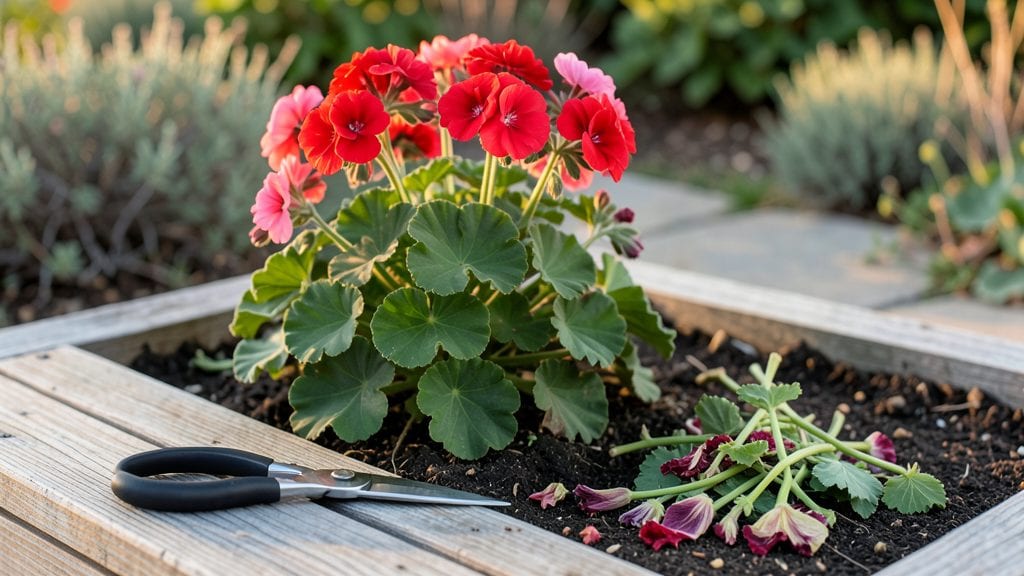
Pruning geranium plants transforms leggy, sparse bushes into bursting blooms year after year. ✨ I’ve pruned mine every season for five years now, and each time, the difference is night and day—more flowers, fuller growth, and plants that look like they’ve been professionally groomed.
The key isn’t just cutting back; it’s timing, technique, and knowing when to push for bushiness versus more blooms.
The secret lies in four strategic trims: a light cleanup in early spring, a hard prune after the first flush of flowers, a mid-summer shape-up, and a final trim before winter. You only need a pair of clean, sharp pruners and a sunny spot—no fancy tools or green thumbs required.
Even my first attempt (which looked like a disaster at first) produced a plant that outbloomed everything else in the garden by summer’s end.
By following this schedule, you’ll end up with geraniums that stay compact, lush, and productive for months. The flowers come faster, the stems thicken, and you avoid the sad, woody stalks that make plants look old before their time.
Plus, the recovery is quick—within weeks, you’ll see fresh growth that’s ready for the next round of blooms.
Works for both zonal and ivy-leaf geraniums, whether you’re growing in pots or garden beds. The same principles apply whether you’re in a hot, dry climate or a cooler zone—just adjust the timing slightly. Let’s get those shears ready!
📚 In This Guide
- What you need
- Instructions
- Tips and common mistakes
- Wrapping up and next steps
What you need
- ● Clean, sharp pruning shears or bypass pruners – Why? Dull tools crush stems, inviting disease. Opt for bypass pruners (4-6 inch blades) for precision.
- ● Hand pruners or small bypass pruners – 1 pair for trimming smaller stems (¼ inch or less in diameter).
- ● Rubbing alcohol (70% isopropyl) or bleach solution (1 part bleach to 9 parts water) – To sterilize tools between cuts and prevent bacterial spread.
- ● Garden gloves – 1 pair (nitrile or leather) to protect against thorns and sap.
- ● Disposable gloves or paper towels – For wiping down tools and handling sap.
- ● Compost bin or bag – For collecting pruned stems (avoid composting diseased plant parts).
- ● Sharp pencil or marker – To label pruned sections if propagating cuttings.
- ● Horticultural oil or neem oil – Pro tip: Spray open wounds on stems to deter pests and disease.
- ● Rooting hormone (powder or gel) – If you plan to propagate cuttings from your prunings.
- ● Small pots (3-4 inch diameter) with drainage holes – For rooting cuttings (if propagating).
- ● Plant food or balanced fertilizer (5-5-5 or 10-10-10) – To nourish geraniums post-pruning (apply 2-3 weeks after trimming).
- ○ Mulch (optional for container geraniums) – 1-2 inches of organic mulch (like straw or shredded bark) to retain moisture and regulate soil temp.
Step-by-Step guide for pruning geranium plants
Here's how to keep your geraniums flowering nonstop—just follow these four seasonal trims.
✂️ Step 1: First Trim After Blooming Ends (Late Spring)
Once your geraniums finish their first flush of blooms—usually in late spring—cut back each stem by one-third just above a leaf node. This encourages bushier growth and prevents leggy stems. Use clean, sharp pruners to avoid crushing the stems, and make cuts at a 45-degree angle to help water run off.
I like to do this on a dry morning when the plants are fully hydrated. You'll see new shoots emerging from the leaf nodes within 2-3 weeks, signaling the plant is responding well. Don't trim too late in the season—wait until after the last frost when new growth can harden off properly.
✂️ Step 2: Mid-Season Deadheading (Summer)
Throughout summer, pinch off spent blooms daily or weekly to redirect the plant's energy into producing fresh flowers instead of seed pods. For trailing geraniums, I snip the entire flower stem down to the first set of healthy leaves. For bushier varieties, simply twist off faded blooms with your fingers—no tools needed.
This is the moment that matters: consistent deadheading keeps your geraniums blooming continuously. If you skip it, you'll notice fewer flowers and more seed heads forming. Water the plants well after pruning to help them recover quickly from the minor stress.
✂️ Step 3: Light Renewal Trim (Early Fall)
When temperatures drop below 60°F in early fall, give your geraniums a final trim to prepare for winter. Cut back all stems by half their length, removing any yellow or damaged leaves. This helps the plant focus its energy on root development rather than maintaining weak stems.
I always do this after the first light frost when the plant's growth naturally slows. You'll see new buds forming at the base within 3-4 weeks, indicating the plant is storing energy for next season. Move potted geraniums to a sheltered spot or bring them indoors if frost is expected.
✂️ Step 4: Winter Pruning (Late Winter)
In late winter, just before new growth begins, trim back all remaining stems to 2-3 inches above the base. This encourages fresh, vigorous growth from the center of the plant. Remove any dead or diseased stems completely—don't leave stubs, as they can harbor pests or rot.
This is the time to assess your geraniums' overall health. If you notice any blackened stems or mushy leaves, it's a sign of winter rot—discard those plants immediately. Healthy stems should be firm and green underneath the bark. After pruning, fertilize lightly to support the new spring growth.
Tips & tricks for perfect pruning geranium plants
These little tricks will help you keep your geraniums thriving and blooming all year—just like a pro gardener.
Tool Prep Matters: Always sanitize your pruners with rubbing alcohol before and after each use. I learned this the hard way after my geraniums developed a mysterious fungal issue—turns out, I was spreading bacteria between cuts. Sharp, clean tools make precise cuts that heal faster, preventing infections. For stubborn stems, dip your pruners in hot water between cuts to sterilize them quickly.
Seasonal Timing Secret: The 60°F temperature threshold in Step 3 isn't just arbitrary—it's when geraniums naturally slow their growth. Watch for the first light frost as your cue, not the calendar. In colder climates, you might need to trim earlier. I've seen geraniums in Zone 5 still blooming beautifully when protected from frost, but their growth slows noticeably once temps drop below 60°F.
Visual Cues for Perfect Cuts: When making your one-third cuts in Step 1, look for the leaf node—it's where new growth emerges. The cut should be just above this node at a 45-degree angle. For Step 4's winter pruning, aim for 2-3 inches above the base, but always leave at least one set of healthy leaves to support new growth. This visual guide ensures you're not cutting too aggressively or leaving too much stem.
Recovery Strategy: After any significant pruning (especially Steps 1 and 3), give your geraniums a recovery boost. Water deeply the day after pruning, and apply a balanced fertilizer at half strength. I've found that geraniums respond best to this gentle treatment rather than heavy feeding right after cutting. This helps them redirect energy to root and new shoot development instead of leaf production.
Pro Tips for Pruning Geranium Plants
- These little tricks will help you keep your geraniums thriving and blooming all year—just like a pro gardener.
- Tool Prep Matters: Always sanitize your pruners with rubbing alcohol before and after each use.
- Seasonal Timing Secret: The 60°F temperature threshold in Step 3 isn't just arbitrary—it's when geraniums naturally slow their growth.
Frequently asked questions
Got questions about keeping your geraniums lush and blooming? You’re not alone!
Here are the most common queries—and straightforward answers—to help you prune like a pro.
When is the best time to prune geraniums?
Prune geraniums after their first major bloom cycle (early summer) and again in late summer to encourage fall/winter blooms. For hardy geraniums (like Geranium macrorrhizum), a light trim in early spring also helps. Zonal geraniums (pelargoniums) thrive with 3-4 seasonal trims—just avoid heavy cuts in winter.
How do I prune geraniums for winter?
For tender geraniums (pelargoniums), cut back by half in fall, remove dead stems, and bring indoors if frost is expected. Hardy geraniums only need a light trim to shape and remove damaged foliage—no need to cut back drastically. Mulch around the base to protect roots.
What if my geraniums look leggy after pruning?
Leggy growth usually means they need more light or less pruning. Move them to a sunnier spot (6+ hours of direct sun) and reduce aggressive trimming. If the stems are woody, prune just above a leaf node (where new growth emerges) to encourage bushier regrowth. Pro tip: Pinch back tips of new growth to promote branching!
Can I propagate geraniums from pruned cuttings?
Snip 3–4 inch cuttings from healthy stems (just below a leaf node), remove lower leaves, and dip in rooting hormone. Plant in moist potting mix or water—roots form in 2–4 weeks. This is a great way to multiply your plants for free!
Why are my geraniums dying after pruning?
Over-pruning or cutting into woody stems can stress plants. If leaves yellow or stems wilt, you may have gone too far. For future trims, never cut more than 1/3 of the plant at once, and always use sterilized shears to prevent disease. If roots rot, repot in fresh, well-draining soil.
Wrapping up and next steps
Pruning your geraniums isn’t just about keeping them tidy—it’s the secret to vibrant, long-lasting blooms and healthier plants year-round! 🌸 By mastering the four seasonal trims, you’ll encourage bushier growth, prevent legginess, and even extend their lifespan.
Whether you’re a beginner or a seasoned gardener, a little regular care goes a long way.
Ready to transform your geraniums into showstoppers? Start with one trim this weekend—pick a sunny day, gather your tools, and give your plants the attention they deserve. Your garden (and future blooms) will thank you!