
Companion Plants
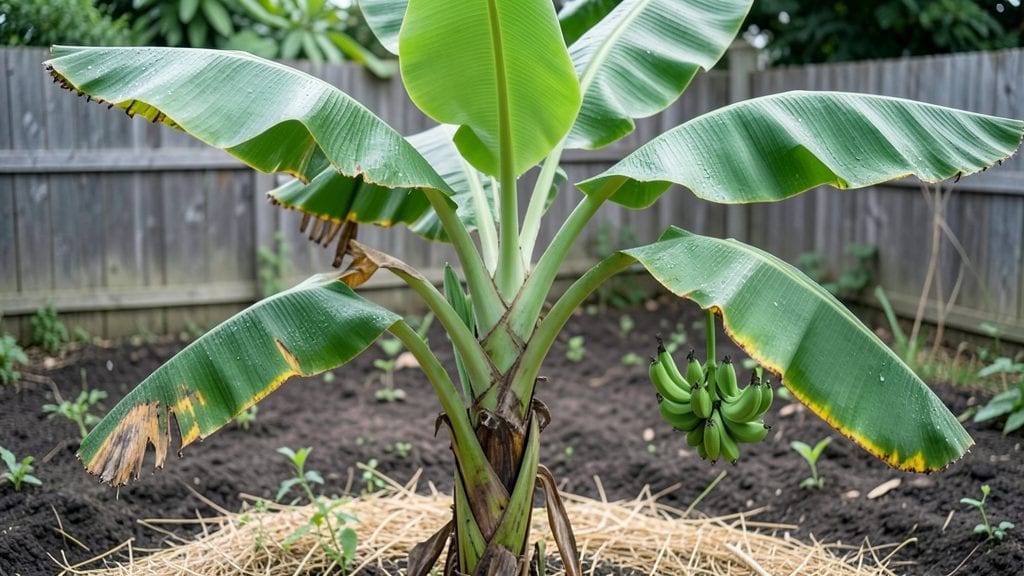
Growing Musa genus plants like bananas transforms any space into a lush, edible privacy screen that towers over your yard. 🌿 I learned the hard way that these giants aren’t just for tropical climates—they thrive in warm microclimates too, with the right care.
My first banana plant sent up a 12-foot stalk in just six months, and the neighbors couldn’t believe I’d grown something that big in my zone 9 backyard.
The secret lies in mimicking their natural habitat: rich, well-draining soil packed with organic matter, consistent moisture, and protection from cold snaps. You’ll need a spot with at least six hours of sunlight daily, though they’ll tolerate partial shade in hotter regions.
For indoor growers, a sunny window or grow light keeps them happy year-round—though they’ll never reach their full tropical glory without outdoor space.
By summer’s end, you’ll be harvesting clusters of bananas while enjoying the dramatic foliage that blocks nosy views. Even if you don’t get fruit, the sheer size and tropical vibe of these plants makes them worth growing.
The real payoff? A garden that feels like a jungle retreat without the travel costs.
Whether you’re planting a single specimen or creating a living fence, these giants adapt surprisingly well to containers too—just give them room to grow. The key is patience; Musa plants reward long-term care with both beauty and bounty. Let’s get those roots in the ground!
📚 In This Guide
- What you need
- Instructions
- Tips and common mistakes
- Wrapping up and next steps
What you need
- ● Musa plants: 1–3 Musa spp. plants (e.g., Musa acuminata for bananas or Musa paradisiaca for plantains). Choose dwarf varieties (e.g., ‘Dwarf Cavendish’) for smaller spaces or tropical varieties (e.g., ‘Lady Finger’) for warmer climates.
- ● Suckers or tissue-cultured plants (preferred for faster, disease-free growth). Avoid wild or uncertain sources!
- ● Soil: 5–10 gallons of well-draining, slightly acidic soil (pH 5.5–6.5). Mix: 60% peat moss or coconut coir (for moisture retention)
- ● 30% compost or aged manure (organic matter)
- ● 10% perlite or coarse sand (for aeration)
- ● Container or planting site: Containers: 15–30 gallon pots with drainage holes (for dwarf varieties). Use fabric grow bags for better root health.
- ● In-ground: Dig a hole twice as wide as the root ball and amend soil with compost.
- ● Basic gardening tools: Trowel or spade
- ● Garden gloves (heavy-duty for Musa’s sharp pseudostems!)
- ● Pruners (sterilized with rubbing alcohol)
- ○ Support system (optional but recommended): 3–5 bamboo stakes or trellis (6–8 ft tall) for training vines.
- ● Soft twine or plant ties to secure stems.
- ● Watering supplies: Hose with gentle spray nozzle (avoid overhead watering to prevent disease).
- ● Drip irrigation kit (for large plants).
- ● Climate: Musa thrives in USDA Zones 10–12 (year-round) or Zones 9–10 with winter protection. If in cooler zones, grow in containers and move indoors (bright, humid space) or to a greenhouse.
- ● Sunlight: Full sun (6+ hours/day). Partial shade (e.g., morning sun) works in hotter climates.
- ● Humidity: 60%+ humidity. Use a humidifier, pebble tray, or misting bottle in dry climates.
- ● Fertilizer: Balanced organic fertilizer (e.g., 10-10-10 or compost tea). Apply every 4–6 weeks during growing season.
- ● Patience: Musa plants take 9–18 months to fruit from seed/sucker. Tissue-cultured plants may fruit faster!
Step-by-Step guide to planting and caring for Musa genus plants
Growing banana or plantain trees at home is easier than you think—just follow these simple steps.
🌱 Step 1: Choose the Right Location for Your Musa Plant
Musa genus plants thrive in warm, humid climates with full sun exposure—at least 6-8 hours daily. If you're in a cooler zone, pick a sheltered spot against a south-facing wall where they can soak up reflected heat. I always check the microclimate first: if your area gets frost, these plants won’t survive outdoors year-round.
Dig a hole twice as wide as the root ball but only as deep as the container it came in. This prevents burying the crown too deeply, which can cause rot. If planting multiple plants, space them 10-15 feet apart—they grow fast and need room to spread their massive leaves.
🪴 Step 2: Prepare the Soil and Plant the Root Ball
Musa plants love well-draining, slightly acidic soil (pH 5.5-7.5). Mix the native soil with compost to improve fertility—banana plants are heavy feeders. Avoid heavy clay, which can suffocate roots. I like to add a 3-inch layer of organic mulch around the base to retain moisture and regulate temperature.
Gently remove the plant from its container and place it in the hole, ensuring the top of the root ball sits just above soil level. Fill the hole with soil, pressing lightly to eliminate air pockets. Water deeply right after planting to help roots settle. If your soil drains poorly, consider planting in a large container (at least 20-gallon size) for better control.
☀️ Step 3: Water and Fertilize for Strong Growth
Keep the soil consistently moist but not soggy—banana plants need 1-2 inches of water weekly, more in extreme heat. I water at the base in the morning to reduce fungal risks. Avoid wetting the leaves, as this can cause black sigatoka disease, a common fungal issue.
Feed your Musa plant every 4-6 weeks with a balanced, slow-release fertilizer (10-10-10 ratio). In spring and summer, increase nitrogen slightly to encourage leaf growth. Stop fertilizing in fall if growth slows—this helps the plant prepare for dormancy in cooler months.
✂️ Step 4: Prune and Maintain for Health and Privacy
Remove dead or yellowing leaves at the base to keep the plant tidy and prevent disease. If you're growing Musa for privacy, prune back older fronds to encourage new growth from the center. This creates a fuller, denser screen. Just avoid cutting into the pseudostem—it’s the plant’s main structural support.
Watch for pests like aphids or spider mites, which love the undersides of banana leaves. Spray with neem oil if you spot them early. In winter, if your plant is outdoors, protect it with burlap wraps or move it indoors near a bright window. Musa plants are tropical—they won’t tolerate freezing temperatures.
🍌 Step 5: Harvest and Enjoy Your Tropical Harvest
Bananas and plantains mature 6-12 months after planting, depending on the variety. You’ll know they’re ready when the fruit changes color (yellow for bananas, black for plantains) and feels slightly soft when gently squeezed. Harvest by twisting the stem—don’t cut, as this can damage the plant.
If you’re not growing edible varieties, enjoy the ornamental value instead. Musa plants make stunning privacy screens, tropical accents, and even windbreaks. Just remember: these giants grow 10-25 feet tall, so plan their placement carefully from the start!
Tips & tricks for perfect Musa genus plant growth
A few key insights will help you avoid common pitfalls and maximize your tropical tower's success.
Sunlight Strategy: Those 6-8 hours of daily sun in Step 1 are non-negotiable for banana plants. If your area gets afternoon shade, rotate your plant every few weeks to ensure even sun exposure. I've seen plants struggle when placed under trees or near buildings that cast shadows—watch for yellowing leaves as a warning sign. For containers, place them where they'll get maximum light throughout the day, especially during the plant's growing season.
Soil Depth Secret: When planting in Step 2, the top of the root ball should sit just above soil level—this prevents water from pooling around the crown and causing rot. I've made the mistake of burying it too deep, which led to a mushy pseudostem. If your soil is heavy clay, consider creating a raised bed or using a large container with drainage holes to prevent waterlogging. The 3-inch mulch layer helps maintain consistent moisture without compacting the soil.
Watering Wisdom: The 1-2 inches of water weekly in Step 3 is a guideline, not a rule. In extreme heat, you might need to water every other day, while cooler months may only require weekly watering. Always check the top 2 inches of soil—if it's dry, it's time to water. The key is consistent moisture without soggy soil. I water at the base in the morning to reduce fungal risks, and I've noticed my plants thrive when I avoid wetting the leaves completely.
Fertilizer Timing: The 4-6 week feeding schedule in Step 3 works well, but I've found that adjusting nitrogen levels makes a big difference. In spring and summer, I use a slightly higher nitrogen fertilizer (like 12-12-12) to encourage leaf growth, then switch to a balanced 10-10-10 in fall. Stopping fertilization in fall helps the plant prepare for dormancy, which I learned the hard way when my plant grew weak during winter. Always water before and after fertilizing to prevent root burn.
Pro Tips for Musa Genus Plants
- A few key insights will help you avoid common pitfalls and maximize your tropical tower's success.
- Sunlight Strategy: Those 6-8 hours of daily sun in Step 1 are non-negotiable for banana plants.
- Soil Depth Secret: When planting in Step 2, the top of the root ball should sit just above soil level—this prevents water from pooling around the crown and causing rot.
Frequently asked questions
What’s the easiest Musa genus plant for beginners?
Start with Musa acuminata (the common dessert banana) or Musa basjoo (hardy Japanese banana). Both are low-maintenance, tolerate cooler temps (down to 20°F/-7°C for basjoo), and thrive in containers or gardens. Avoid Musa velutina (red banana) if you’re new—it’s slower-growing and needs more patience! Pro tip: Use well-draining soil and mulch to retain moisture.
How long does it take for a Musa plant to bear fruit?
Patience is key! Most Musa plants take 1–3 years to flower and fruit, depending on the variety and growing conditions. Musa acuminata (dessert bananas) may fruit faster in warm climates, while Musa × paradisiaca (plantains) can take up to 5 years. Cold snaps or poor soil delay fruiting—keep plants happy with consistent water and fertilizer!
Can Musa plants survive winter in cold climates?
It depends! Musa basjoo and Musa sikkimensis are the hardiest, surviving temps as low as 15–20°F (-9 to -7°C) with proper protection (mulch, frost cloth, or containers moved indoors). Tropical varieties (like Musa acuminata) need year-round warmth (above 50°F/10°C) or winter care (e.g., digging up rhizomes). Pro tip: Monitor local frost dates and plan mulching or container moves early!
What are some Musa plant alternatives for smaller spaces?
If your space is limited but you love the Musa vibe, try these compact tropical companions:
- Strelitzia nicolai (giant bird-of-paradise): Grows 10–12 ft tall but slower than bananas.
- Cordyline fruticosa (ti plant): Hardy, clumping, and drought-tolerant (6–10 ft tall).
- Dracaena marginata (dragon tree): Dramatic, low-maintenance, and thrives indoors.
- Heliconia (lobster plant): Stunning flowers, but needs consistent warmth.
Why are my Musa leaves turning yellow or brown?
Yellowing leaves usually signal overwatering or poor drainage, while brown edges often mean underwatering or sunburn. Check these fixes:
- Water deeply but let soil dry slightly between waterings.
- Provide morning sun and afternoon shade in hot climates.
- Amend soil with compost or perlite for better drainage.
Fungal issues? Remove damaged leaves and treat with neem oil.
Pro tip: Banana plants are heavy feeders—fertilize monthly in growing season with a balanced 10-10-10 or banana-specific formula.Wrapping up and next steps
The Musa genus—home to bananas, plantains, and ornamental varieties—offers a stunning blend of privacy, productivity, and tropical charm. Whether you’re dreaming of a lush screen, a bountiful harvest, or simply adding drama to your garden, these towering plants deliver low-maintenance elegance and high rewards. 🌿✨
Ready to dive in? Start by selecting the perfect variety for your climate and space, then roll up your sleeves—your future shade canopy (and maybe even a snack!) awaits. What will you grow first?