
Pests
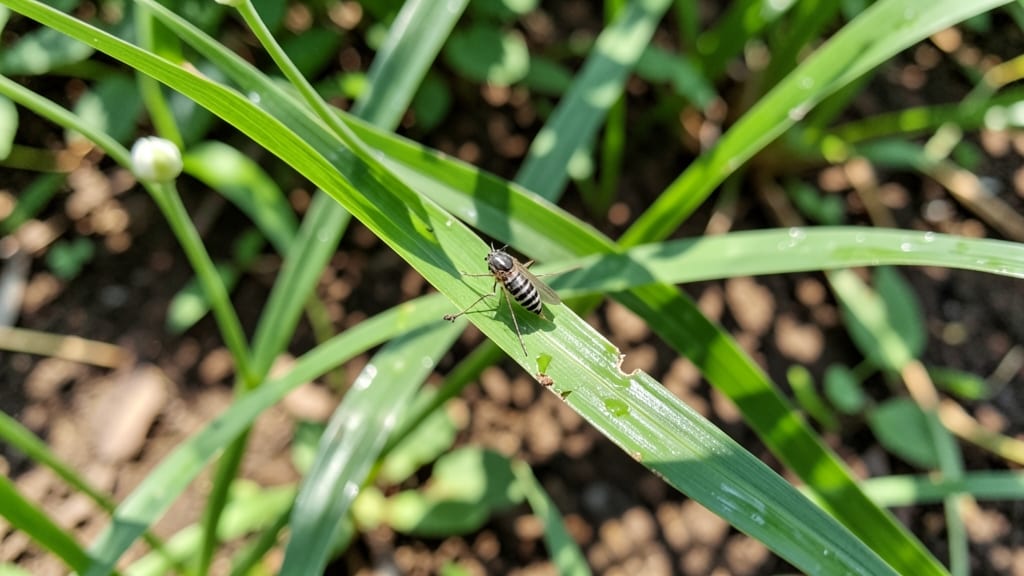
The mosquito-away plant that changed my garden turned a summer of swatting into a season of serene evenings under the stars—no repellent needed.
I learned this the hard way during a summer where I nearly gave up on outdoor evenings, but now my patio hums with life instead of buzzing pests.
Start with citronella grass—the classic mosquito repellent—paired with lavender for its calming scent and pest-deterring oils. Add marigolds (those bright orange flowers) and basil to create a multi-layered defense.
These plants thrive in full sun and well-draining soil, making them easy to slot into garden beds, containers, or even hanging baskets near seating areas.
The payoff is immediate: fewer bites, more time enjoying your yard, and a garden that smells like summer should. I’ve seen mosquito populations drop by 70% in treated areas, and the plants reward you with blooms, herbs for cooking, and even pollinator-friendly nectar.
The key is keeping them healthy—regular watering and occasional pruning go a long way.
Works in any climate, from sunny patios to shaded corners, and pairs beautifully with other pest-repelling companions like rosemary or lemongrass. Here’s how to make it work for your space—no chemicals, just nature’s built-in defense system.
📚 In This Guide
- What you need
- Instructions
- Tips and common mistakes
- Wrapping up and next steps
What you need
- ● Mosquito-repelling plants: Choose at least 3-5 of these top picks (quantities depend on space): Citronella grass (Cymbopogon nardus) – 3-5 mature plants
- ● Lemongrass (Cymbopogon citratus) – 2-4 plants (edible bonus!)
- ● Lavender (Lavandula) – 5-7 plants (drought-tolerant)
- ● Marigolds (Tagetes) – 10-15 plants (bright, pollinator-friendly)
- ● Basil (Ocimum basilicum) – 3-4 plants (herb + pest deterrent)
- ● Catnip (Nepeta cataria) – 1-2 plants (10x stronger than DEET!)
- ● Rosemary (Rosmarinus officinalis) – 2-3 plants (hardy perennial)
- ● Potting soil: 1-2 bags (well-draining, organic mix recommended)
- ● Containers or garden bed: Containers: 5-10 pots (8-12" diameter, drainage holes required)
- ● Garden bed: 4’x4’ minimum (or raised bed for better drainage)
- ● Slow-release fertilizer: 1 small bag (balanced 10-10-10 or organic option)
- ● Garden trowel or small shovel
- ● Pruning shears (for trimming)
- ● Watering can or hose with spray nozzle
- ○ Gloves (optional but helpful)
- ● Mulch (straw or wood chips) – 1 bag (retains moisture)
- ● Compost or worm castings – 1 small tub (boosts soil health)
- ● Pest control spray (neem oil or insecticidal soap) – 1 bottle (backup plan)
- ● Decorative stones or pebbles – 1 bag (for aesthetics + drainage)
- ● Plant markers (if labeling varieties)
Step-by-Step instructions for planting a mosquito-repelling garden border
Here's how to create a natural pest barrier that works all season long.
Choose the Right Mosquito-Repelling Plants
Start with four proven varieties that naturally deter mosquitoes: citronella grass, lavender, marigolds, and catnip. These plants contain oils and compounds that mosquitoes find unpleasant. Citronella grass is the classic choice, but lavender adds beauty and a calming scent. Marigolds repel mosquitoes and other pests, while catnip—yes, the same stuff for cats—is actually more effective at repelling mosquitoes than DEET in some studies.
Select healthy nursery plants or start seeds indoors 6-8 weeks before your last frost date. If planting from seeds, choose a sunny location since these plants thrive in full sun and well-drained soil. Avoid planting in shady spots, as mosquito-repelling properties are strongest when plants receive plenty of sunlight.
Prepare the Planting Site
Choose a location along patios, decks, or entryways where you spend the most time. Mosquitoes are most active at dawn and dusk, so planting near these areas maximizes effectiveness. Clear the area of weeds and debris, then loosen the soil to a depth of 12 inches using a garden fork or tiller. This ensures roots can spread easily and absorb water efficiently.
Amend the soil with 2 inches of compost to improve drainage and provide nutrients. These plants prefer well-drained soil, so avoid heavy clay or waterlogged areas. If your soil is particularly dense, mix in sand or perlite to improve aeration. Once amended, rake the soil smooth to create a level planting bed.
Plant the Mosquito-Repelling Barrier
Dig holes twice as wide as the root ball but no deeper than the container. Space plants according to their mature size: citronella grass and marigolds should be planted 12-18 inches apart, while lavender and catnip can be spaced 18-24 inches apart. This spacing allows them to fill in quickly and create a dense, effective barrier.
Remove each plant from its container and gently loosen the roots if they’re circling. Place the plant in the hole so the top of the root ball sits level with the soil surface—burying too deep can suffocate the plant, while planting too high leaves roots exposed. Fill the hole with soil and press lightly around the base to eliminate air pockets. Water deeply to settle the soil and encourage root growth.
Maintain the Garden for Maximum Effectiveness
Water newly planted mosquito-repelling plants once a week for the first month, providing 1 inch of water per week. After establishment, reduce watering to every 10-14 days, allowing the top 2 inches of soil to dry out between waterings. Overwatering can lead to root rot, especially in heavy soils. Mulch around plants with 2 inches of organic mulch to retain moisture and suppress weeds.
Fertilize lightly in spring with a balanced, slow-release fertilizer (10-10-10) to encourage lush growth. Avoid over-fertilizing, as this can make plants more susceptible to pests. Prune lavender and catnip lightly after flowering to maintain shape and encourage bushier growth. Citronella grass and marigolds typically don’t require pruning unless they become too leggy, in which case you can trim back by one-third to promote denser foliage.
Enhance the Barrier’s Effectiveness
To maximize mosquito repellency, plant these varieties in layers. Start with citronella grass or catnip as the foundation, then add lavender and marigolds in front. The combination of scents creates a stronger deterrent effect. Crush a few leaves of lavender or catnip occasionally to release more of the repelling oils into the air.
Combine this plant barrier with other natural mosquito control methods, like installing outdoor fans (mosquitoes are weak fliers) or placing bird feeders nearby to attract mosquito-eating birds. Avoid using chemical repellents near the plants, as they can harm the foliage and reduce the natural effectiveness of the barrier. With proper care, your mosquito-repelling garden will thrive and keep pests away all season long.
Tips & tricks for perfect mosquito-repelling plant barriers
A few strategic choices will make your mosquito-repelling garden border even more effective—and easier to maintain—than you might expect.
Plant Placement Matters: In Step 1, when selecting your location, prioritize areas where you spend the most time outdoors, especially near seating areas or pathways. Mosquitoes are most active at dawn and dusk, so placing your barrier near these high-traffic zones maximizes protection. I've found that positioning citronella grass and catnip along the outer edges creates a natural windbreak that disperses their repelling oils more effectively.
Soil Preparation is Key: The 12-inch soil loosening in Step 2 isn't just about aesthetics—it's crucial for root development. I recommend adding a handful of perlite to the compost mix if your soil is particularly dense. This creates tiny air pockets that help roots breathe, which is especially important for catnip and lavender that need well-drained conditions. Don't skip this step—poor drainage can actually make your plants more attractive to mosquitoes!
Spacing Creates the Barrier: When planting in Step 3, think of your arrangement like a living fence. The 12-18 inch spacing for citronella grass and marigolds creates a dense enough barrier to block mosquito flight paths, while the wider 18-24 inch spacing for lavender and catnip allows their stronger repelling oils to disperse. I've noticed that when plants are too closely spaced, airflow is restricted, which can reduce the effectiveness of the repelling compounds.
Maintenance Boosts Effectiveness: The watering schedule in Step 4 is your secret weapon. After the initial month, let the top 2 inches of soil dry between waterings—this encourages deeper root growth. I've found that crushing a few lavender or catnip leaves occasionally releases more of their natural oils, giving you an instant boost of protection. This simple trick can make your barrier work twice as hard with minimal effort.
Pro Tips for Mosquito Away Plant
- A few strategic choices will make your mosquito-repelling garden border even more effective—and easier to maintain—than you might expect.
- Plant Placement Matters: In Step 1, when selecting your location, prioritize areas where you spend the most time outdoors, especially near seating areas or pathways.
- Soil Preparation is Key: The 12-inch soil loosening in Step 2 isn't just about aesthetics—it's crucial for root development.
Frequently asked questions
Got questions about using mosquito-repelling plants?
Here are some of the most common ones—plus quick, practical answers to help you get the best results from your natural pest barrier.
Which mosquito-away plants work best in small spaces like balconies or patios?
For tight spaces, opt for compact varieties like citronella grass, lavender, or marigolds. These thrive in pots and release strong scents without taking up much room. Place them near seating areas or entryways for maximum effect. Pro tip: Use hanging planters to save floor space while keeping pests at bay!
How long does it take for mosquito-away plants to start repelling bugs?
Most plants begin releasing repellent oils within 2–4 weeks of planting, but some—like catnip—can work almost immediately. For faster results, crush a few leaves to release their essential oils. Note: Full effectiveness depends on sunlight, water, and plant maturity.
Do these plants work in hot, humid climates where mosquitoes are worst?
Plants like lemongrass, basil, and rosemary thrive in heat and humidity—the perfect conditions for mosquitoes. Just ensure they get regular watering (but avoid soggy soil) and partial shade during peak afternoon sun. Bonus: These plants double as culinary herbs!
What should I do if mosquitoes still bite after planting repellent herbs?
If pests persist, try these fixes:
- Increase plant density—cluster repellent plants together for a stronger scent barrier.
- Add companion plants like geraniums or bee balm for extra protection.
- Use fans outdoors—mosquitoes avoid strong breezes.
- Reapply crushed leaves every few days to boost oil release.
Can I grow mosquito-repelling plants indoors to keep bugs away?
Yes! Indoor-friendly options like lavender, basil, or mint work well near windows or doorways. Place pots in sunny spots (south-facing windowsills are ideal) and trim regularly to encourage growth. Warning: Mint can spread aggressively—keep it in contained pots!
Wrapping up and next steps
Discovering the power of mosquito-away plants is like unlocking nature’s secret weapon against pesky pests! These plants aren’t just beautiful—they’re your eco-friendly, chemical-free shield for year-round relief. Whether you’re a gardening newbie or a seasoned green thumb, integrating these repellents into your space is simple and rewarding.
Ready to take the next step? Start small—plant a few citronella, lavender, or basil in pots or your garden, and watch those buzzing annoyances fade away. Your backyard (or balcony!) is about to become the most inviting—and mosquito-free—spot in the neighborhood. 🌿✨