
Pests
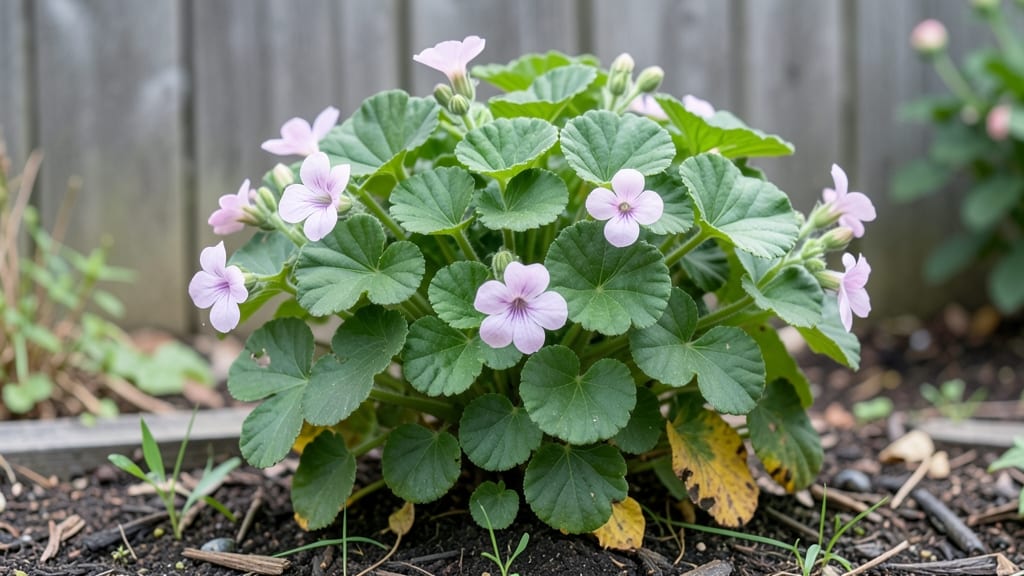
Growing the mosquito plant geranium (Pelargonium citronellum) turns your patio into a natural bug-free zone. 🌿 I planted mine last summer, and the citrusy scent alone keeps mosquitoes at bay—no chemicals needed.
The bright blooms last all season, too, making it a double win for gardeners tired of itchy evenings.
The secret to thriving mosquito plants lies in sunlight, well-draining soil, and occasional pruning. They love 6+ hours of direct sun daily and dry soil between waterings—overwatering is their biggest enemy. A 5-gallon container works perfectly for pots, while in-ground plantings need good drainage to prevent root rot.
By mid-summer, your plants will be covered in pink, purple, or white flowers while releasing that signature lemony aroma. The scent repels mosquitoes naturally, and the blooms attract pollinators. Prune back leggy stems in spring to encourage bushier growth and more flowers.
Works equally well in containers, garden beds, or hanging baskets—just keep them near seating areas for maximum bug-repelling power. The best part? It’s drought-tolerant once established, so maintenance stays light. Ready to grow yours?
📚 In This Guide
- What you need
- Instructions
- Tips and common mistakes
- Wrapping up and next steps
What you need
- ● Mosquito plant geranium seeds or a nursery-grown plant: 1–3 seeds (if starting from seed) or 1–2 young plants (for faster results)
- ● Ensure seeds are fresh (ideally planted within 6–12 months of harvest)
- ● Well-draining potting soil: 1 bag (5–10 quarts) of high-quality, organic potting mix
- ○ Optional: Mix in perlite or sand (1 part perlite to 4 parts soil) for extra drainage
- ● Containers: 1–3 pots (6–8 inches in diameter) with drainage holes
- ● Alternative: A raised garden bed (if planting outdoors)
- ● Watering can or spray bottle: 1 with a gentle spray nozzle (for seedlings)
- ● Fertilizer: Balanced liquid fertilizer (10-10-10 or 20-20-20) or slow-release granules
- ● 1–2 applications per growing season (spring and summer)
- ● Pruning shears or scissors: 1 pair (sterilized with rubbing alcohol)
- ● Gloves: 1 pair (to protect hands from thorns)
- ● Mulch: Straw or shredded leaves (to retain moisture)
- ● Grow lights: 1–2 LED bulbs (if starting indoors with limited sunlight)
- ● Insecticidal soap or neem oil: (for pest control, if needed)
- ● Label markers: To track planting dates and varieties
Step-by-step instructions for growing mosquito plant geranium
This hardy perennial thrives with minimal fuss—here’s how to cultivate its fragrant foliage and vibrant blooms.
🌱 Step 1: Select the Right Location and Prepare the Soil
Mosquito plant geranium (Pelargonium citronella) loves full sun to partial shade—at least 6 hours of direct sunlight daily—but tolerates light shade in hotter climates. Choose a spot with well-draining soil; these plants despise soggy roots. Amend heavy or clay soil with 1 part perlite or coarse sand to the 3 gallons of potting mix you’ll use, ensuring water drains freely.
Test your soil’s moisture retention by squeezing a handful—if it clumps tightly, add more perlite. I like to work in 1 cup of compost per planting hole to boost organic matter without overwhelming the plant’s delicate roots. Mosquito geraniums thrive in USDA Hardiness Zones 10-11 but can be grown as annuals in cooler regions.
🪴 Step 2: Plant at the Correct Depth and Spacing
Dig a hole twice as wide as the root ball but only as deep as the container it came in. Gently remove the plant, loosen any circling roots, and place it in the hole so the top of the root ball sits just below soil level—burying the crown too deep invites rot. Space plants 18-24 inches apart to allow airflow, which prevents fungal issues.
Fill the hole with soil, pressing lightly to eliminate air pockets. Water deeply until moisture seeps 2-3 inches down—you’ll know it’s right when the soil surface looks damp but not waterlogged. Mulch with 1 inch of shredded bark around the base (but not touching the stem) to retain moisture and suppress weeds. This step is critical: overwatering now will drown the roots before they establish.
☀️ Step 3: Water and Fertilize for Optimal Growth
Water once a week in the first month, allowing the top 1-2 inches of soil to dry out between waterings. Mosquito geraniums are drought-tolerant once established, but young plants need consistent moisture. I check by sticking my finger into the soil—if it feels dry at ½ inch deep, it’s time to water. Avoid wetting the leaves to prevent mildew.
Feed every 4-6 weeks during the growing season with a balanced liquid fertilizer (10-10-10 ratio) diluted to half strength. Over-fertilizing encourages lush foliage at the expense of blooms. You’ll see the first flush of lavender-pink flowers in 6-8 weeks if conditions are right—watch for them to appear above the fragrant, lemon-scented leaves.
✂️ Step 4: Prune and Maintain for Year-Round Blooms
Deadhead spent blooms weekly to encourage continuous flowering. Pinch back leggy stems by ⅓ their length in early spring to promote bushier growth. Mosquito geraniums respond well to pruning—you’ll notice new side shoots forming within 2-3 weeks of cutting back. Avoid heavy pruning after mid-summer, as it reduces winter hardiness in marginal zones.
In fall, reduce watering as temperatures drop. If growing as an annual, harvest the lemon-scented leaves for homemade repellent sprays or potpourri. For overwintering in cooler climates, bring pots indoors to a bright, cool spot (50-60°F) and reduce watering to once every 2-3 weeks. This keeps the plant alive for another season of pest-free blooms.
Tips & tricks for growing mosquito plant geranium
These practical tips will help you cultivate thriving mosquito plant geraniums with minimal effort while maximizing their natural pest-repelling properties.
The Sunlight Secret: While your mosquito plant geranium thrives with at least 6 hours of sunlight daily, I've found that positioning it to receive morning sun and afternoon shade in hot climates (Zones 10-11) actually extends its blooming season. The intense afternoon heat can stress the plant, causing it to focus on survival rather than flowering. Look for that perfect balance where leaves stay vibrant but don't show signs of heat stress like yellowing or crispy edges.
Soil Preparation Strategy: The 1 part perlite to 3 gallons potting mix ratio is critical, but don't stop there. I recommend adding a handful of horticultural charcoal to your amended soil mix—it improves drainage while preventing bacterial buildup that can occur with frequent watering. This is especially helpful if you're growing in containers where water can pool at the bottom. The charcoal also helps maintain that fresh citrus scent that repels mosquitoes so effectively.
Planting Depth Technique: When placing your geranium in the hole, make sure the top of the root ball sits just below soil level—this is often where beginners go wrong. I've seen too many plants struggle because they were planted too deep, which can cause the crown to rot. A simple trick is to use a pencil to mark the soil level on the pot before removing the plant, then match that line when planting. This visual cue makes all the difference in establishing healthy roots.
Watering Wisdom: The once-weekly watering schedule in the first month might seem straightforward, but timing matters. Water in the early morning so the foliage has time to dry before evening—this prevents fungal issues that can compromise the plant's mosquito-repelling abilities. I also recommend using a moisture meter near the roots to verify that water is penetrating to the 2-3 inch depth specified, especially in sandy soils where water can run through too quickly.
Pro Tips for Mosquito Plant Geranium
- These practical tips will help you cultivate thriving mosquito plant geraniums with minimal effort while maximizing their natural pest-repelling properties.
- The intense afternoon heat can stress the plant, causing it to focus on survival rather than flowering.
- Soil Preparation Strategy: The 1 part perlite to 3 gallons potting mix ratio is critical, but don't stop there.
Frequently asked questions
How quickly does mosquito plant geranium start repelling mosquitoes?
The scent begins working immediately when crushed or brushed against, thanks to citronella-like compounds. However, for optimal results, plant it in high-traffic areas (like patios or near seating) and let it establish for 4-6 weeks—this gives the roots time to release stronger repellent oils. Pro tip: Pinch leaves occasionally to boost oil production!
Can I grow mosquito plant geranium indoors?
Yes! Place it near windowsills or doors where mosquitoes enter. Use a sunny spot (6+ hours of light) and a pot with drainage. For stronger repellent effects, rotate the pot weekly to ensure even sunlight exposure. Watch for: Leggy growth (sign of insufficient light) or yellow leaves (overwatering).
When is the best time to plant mosquito plant geranium for year-round blooms?
Plant in spring (after last frost) or early fall in USDA zones 8-11. In colder climates, grow it as an annual or overwinter indoors near a bright window. For continuous blooms: Deadhead spent flowers and fertilize lightly every 4-6 weeks during growing season. Bonus: It thrives in containers, so you can move it seasonally!
Does mosquito plant geranium harm bees or butterflies?
Nope! Unlike synthetic repellents, this plant is bee-friendly and attracts pollinators with its fragrant blooms. Fun fact: The scent confuses mosquitoes (which hate the smell) but doesn’t deter beneficial insects. Plant it alongside native flowers to create a pollinator paradise!
What should I do if my mosquito plant geranium stops repelling mosquitoes?
Try these fixes:
- Crush leaves gently to release oils.
- Check for pests (like spider mites) that weaken the plant.
- Move it to a sunnier spot—low light reduces oil production.
- Fertilize with low-nitrogen plant food to encourage flowering.
Wrapping up and next steps
The mosquito plant geranium isn’t just a beautiful addition to your garden—it’s a powerful, chemical-free way to keep those pesky mosquitoes at bay while enjoying vibrant blooms year-round. 🌿 Whether you’re a seasoned gardener or just starting out, this hardy plant is easy to grow and packed with benefits for both your outdoor space and your peace of mind.
Ready to take the next step? Plant a few mosquito geraniums in your garden, containers, or even near your patio—you’ll be rewarded with fragrant flowers and fewer bites! 🌸 For extra impact, pair them with other mosquito-repelling plants like citronella or lavender for a natural pest-free paradise.