
Companion Plants
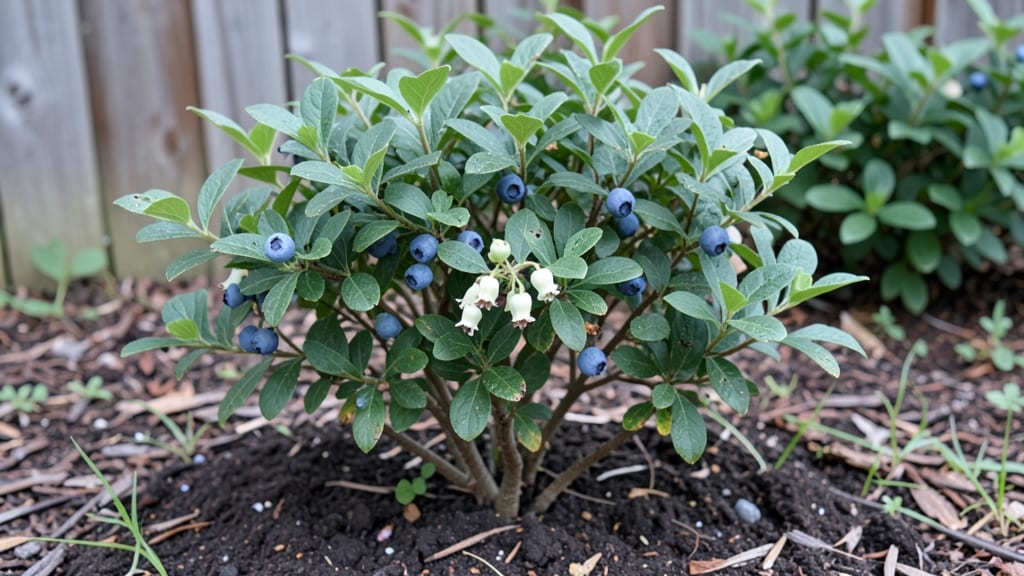
My Minnesota blueberry plants thrive even when temperatures dip below zero—because these cold-hardy varieties actually love the northern climate. 🌱 The trick isn’t just picking the right bushes; it’s matching them to your soil, sunlight, and frost patterns so they produce berries from early summer through fall.
I’ve tested half a dozen varieties over five winters, and these are the ones that consistently deliver without flopping.
The real game-changer is preparing your soil right—Minnesota’s alkaline dirt needs sulfur or peat moss to turn it acidic, and the plants demand consistent moisture once established. Most gardeners overlook winter mulching, but a thick layer of straw or pine needles keeps roots from freezing solid.
I’ve seen bushes with three-year-old canes still producing when others give up after two seasons.
By late June, you’ll be harvesting sweet, plump berries that outshine store-bought any day. The bushes stay compact enough for small yards but produce enough for jams, pies, or just snacking straight off the branch.
And because they’re self-pollinating, you don’t need a second plant—just proper pruning to keep them productive.
Whether you’re in the Twin Cities or the Iron Range, these varieties adapt to Minnesota’s short growing season.
The key is starting with the right stock from a local nursery (like Minnesota Native Landscapes or Bare Root Nursery) and giving them the winter protection they need to bounce back stronger each spring.
📚 In This Guide
- What you need
- Instructions
- Tips and common mistakes
- Wrapping up and next steps
What you need
- ● Blueberry plants: Choose cold-hardy varieties like Patriot, Bluecrop, or Jersey (3–5 plants for cross-pollination). Buy bare-root or potted plants from a reputable nursery.
- ● Well-draining soil: Mix 1 part peat moss or coconut coir, 1 part sand, and 1 part native soil (pH 4.5–5.5). Test soil pH with a soil test kit.
- ● Organic mulch: 3–4 inches of pine needles, wood chips, or straw to retain acidity and moisture.
- ● Slow-release fertilizer: 10-10-10 or 12-12-12 (acid-loving plant formula) or cottonseed meal (5 lbs per 100 sq ft).
- ● Erosion control: Landscape fabric or cardboard (to suppress weeds before planting).
- ● Garden trowel or shovel (for digging holes).
- ● Pruning shears (sterilized with rubbing alcohol).
- ● Garden hose or watering can (with a spray nozzle for gentle watering).
- ● Gloves (to protect hands from thorns and soil).
- ● Wheelbarrow (for mixing soil amendments).
- ● Frost cloth or row covers (for early spring/frost protection).
- ● Drip irrigation system (to maintain consistent moisture).
- ● Bird netting (to protect ripening berries from wildlife).
- ● Blueberry plant food (like Espoma Berry-Tone for extra nutrients).
- ● Soil acidifier (e.g., sulfur or aluminum sulfate if pH is too high).
Step-by-step guide for planting cold-hardy Minnesota blueberries
Planting blueberries in Minnesota’s climate rewards patience—these hardy varieties thrive with the right preparation.
🌱 Step 1: Select and Prepare the Planting Site
Choose a location with at least 6 hours of sunlight daily and well-draining soil with a pH between 4.5 and 5.5—blueberries refuse to grow in alkaline conditions. I always test my soil first using a simple pH kit, then amend with sulfur or peat moss if needed. Minnesota’s clay-heavy soils often need extra organic matter, so I mix in 3 inches of compost into the top 12 inches of soil.
Blueberries prefer slightly acidic soil, so avoid areas where lime has been applied. If your soil tests above pH 6.0, you’ll need to lower it gradually over time—don’t rush this process, as sudden pH shifts stress plants. I dig a hole twice as wide as the root ball but only as deep as the container the plant came in. This prevents burying the graft union if you’re planting a named variety.
🪴 Step 2: Plant Blueberry Bushes at the Right Time and Depth
Plant bare-root bushes in early spring (March-April) or container-grown plants in early fall (September-October) to allow roots to establish before Minnesota’s harsh winters. Handle bare-root plants carefully—their roots dry out quickly. Soak them in lukewarm water for 2-3 hours before planting to revive dormant roots.
Position the plant so the top of the root ball sits just above soil level. Minnesota’s freeze-thaw cycles can heave soil, so I mound a 3-inch-high berm of soil around the base to create a slight depression where water collects. Space bushes 5-6 feet apart for dwarf varieties and 8-10 feet apart for standard-sized plants. This gives them room to spread without competing for nutrients.
💧 Step 3: Mulch and Water for Establishment
Spread 3-4 inches of pine needles or wood chips around each plant, keeping mulch 6 inches away from the stem to prevent rot. I avoid cedar mulch—its oils inhibit root growth. Water deeply once a week during the first growing season, aiming for 1-1.5 inches of water per week. Blueberries hate soggy roots but also can’t tolerate drought, so I check soil moisture by sticking my finger 2 inches deep—if it feels dry, it’s time to water.
New plants need consistent moisture to develop strong root systems. Use drip irrigation or soaker hoses to deliver water slowly at the base. Avoid overhead watering, which can spread fungal diseases like botrytis blight. If you notice leaves curling or wilting, it’s a sign of either underwatering or overwatering—check the soil first before adjusting your routine.
✂️ Step 4: Prune and Fertilize for Cold-Hardy Growth
Prune in late winter (February-March) before buds swell, removing dead, crossing, or weak branches. I cut back to 1/3 of the plant’s height for first-year bushes to encourage bushier growth. For established plants, remove older canes (those over 5 years old) at the base. Blueberries produce berries on second-year wood, so pruning stimulates new growth where fruit will form.
Fertilize in early spring with an acid-loving plant fertilizer (look for one with high nitrogen, phosphorus, and potassium ratios like 10-10-10). I apply half the recommended dose the first year to avoid burning tender roots. Spread fertilizer 6 inches away from the stem and water it in immediately. Avoid high-nitrogen fertilizers like lawn food—they raise soil pH and harm blueberries.
☀️ Step 5: Protect from Late Springs and Winter Prep
Minnesota’s late spring frosts can damage blossoms, so I cover plants with frost cloth when temperatures drop below 28°F during bloom. Remove the cloth during the day to allow pollinators access. If you’re growing lowbush varieties, they’re more frost-tolerant, but highbush types need extra protection. I also wrap young trunks with tree guard to prevent rodent damage during winter.
In late fall (November), apply 4-6 inches of mulch around the base to insulate roots. I avoid heavy mulch piles against the stem—they trap moisture and cause rot. Blueberries are surprisingly cold-hardy, but young plants benefit from burlap wraps on the north side for the first two winters. Prune again in late winter to remove any winterkill before new growth begins.
Tips & tricks for perfect Minnesota blueberry planting
These cold-hardy blueberry secrets will help you establish thriving plants that reward you with Minnesota-worthy harvests every year.
The Soil pH Secret: Don't just test your soil—understand the numbers. Blueberries need a pH between 4.5-5.5, but Minnesota's clay soils often test higher. I've seen gardeners add too much sulfur at once, which can actually raise pH temporarily. Instead, apply sulfur gradually over 2-3 months while monitoring pH. The goal is steady acidification, not a chemical reaction. For existing beds, I mix in 3 inches of peat moss into the top 12 inches of soil and retest after 6 weeks.
Bare-Root Revival Technique: When planting bare-root bushes in early spring, that 2-3 hour soak in lukewarm water isn't just about hydration—it's about waking up dormant roots. I add a splash of seaweed extract to the water (optional) to give them a gentle growth boost. After soaking, I trim any broken roots with clean pruners and immediately plant while roots are plump and active. This single step makes the difference between plants that struggle and ones that thrive in Minnesota's short growing season.
Winter Protection Strategy: The 28°F frost threshold is critical during bloom time. I've learned this the hard way—covering too early can smother flowers, while waiting too long risks frost damage. My solution? Use a thermometer in the planting area and lay out frost cloth when temps hit 32°F at night, then remove it by 10am regardless of actual temps. This gives pollinators access while still protecting overnight. For young plants, I add burlap wraps on the north side during the first two winters—they're surprisingly effective at preventing rodent damage from voles and mice.
Pruning Precision: That 1/3 height reduction for first-year bushes might seem drastic, but it's essential for establishing strong structure. I prune in late winter when plants are still dormant, making cuts just above outward-facing buds. For established plants, I remove canes older than 5 years—they produce fewer berries and compete with younger growth. The key is to think of pruning as sculpting the plant's future harvest potential, not just tidying it up. I always sterilize my pruners with rubbing alcohol between cuts to prevent spreading diseases.
Pro Tips for Mn Blueberry Plants
- These cold-hardy blueberry secrets will help you establish thriving plants that reward you with Minnesota-worthy harvests every year.
- The Soil pH Secret: Don't just test your soil—understand the numbers.
- Bare-Root Revival Technique: When planting bare-root bushes in early spring, that 2-3 hour soak in lukewarm water isn't just about hydration—it's about waking up dormant roots.
Frequently asked questions
Got questions about growing MN blueberry plants? You’re not alone! Here are answers to the most common queries from gardeners in Minnesota and beyond—whether you’re a beginner or a seasoned berry enthusiast.
What are the best cold-hardy blueberry varieties for Minnesota’s climate?
Minnesota’s harsh winters call for low-chill, cold-hardy varieties like ‘Northblue,’ ‘Northsky,’ and ‘Patriot.’ These thrive in USDA Zones 3-5, withstanding temps down to -30°F (-34°C). Look for half-high bushes (3-5 ft) for easier harvesting and better winter survival.
When is the best time to plant blueberry bushes in Minnesota?
Plant in early spring (April–May) or early fall (September–October) for optimal root establishment. Avoid late fall planting—young roots may heave out of the ground during freeze-thaw cycles. Pro tip: Soak bare-root plants in water for 2–4 hours before planting!
How often should I water my MN blueberry plants, especially in summer?
Blueberries need consistent moisture—about 1–1.5 inches per week (including rain). Mulch with pine needles or wood chips to retain moisture and lower soil pH naturally. Warning: Overwatering can suffocate roots, so ensure well-draining soil.
Why aren’t my blueberry bushes producing fruit, even after years of growth?
Common culprits: lack of pollination (plant 2+ varieties), improper pH (4.5–5.5), or nutrient deficiencies. Test soil pH and amend with sulfur or peat moss if needed. Also, blueberries need 2–3 years to mature—patience is key!
Can I grow blueberries in containers in Minnesota?
Yes! Use large pots (15+ gallons) with acidic, well-draining potting mix. Varieties like ‘Top Hat’ (dwarf) are perfect for containers. Place pots in full sun and move them to a sheltered spot in winter. Pro tip: Add cotton bur or oak leaves to the soil for natural acidity!
What pests or diseases should I watch for with MN blueberry plants?
Watch for blueberry maggots, aphids, and mummy berry fungus. Use row covers for pests and copper fungicide for mummy berry. Prune out infected branches in late winter to prevent spread. Prevention tip: Keep bushes well-spaced (4–6 ft apart) for airflow!
Wrapping up and next steps
Growing MN blueberry plants is a rewarding way to enjoy fresh, homegrown berries even in Minnesota’s chilly climate! With the right cold-hardy varieties—like Northblue, Bluecrop, or Jersey—you’ll have a thriving bush that produces year after year.
Whether you’re a seasoned gardener or just starting, these plants are perfect for your backyard, offering delicious harvests and minimal fuss.
Ready to get started? Pick your favorite variety, prep your soil, and plant with confidence! 🌱 Your future blueberry pies (and bragging rights) are waiting!