
Fertilization
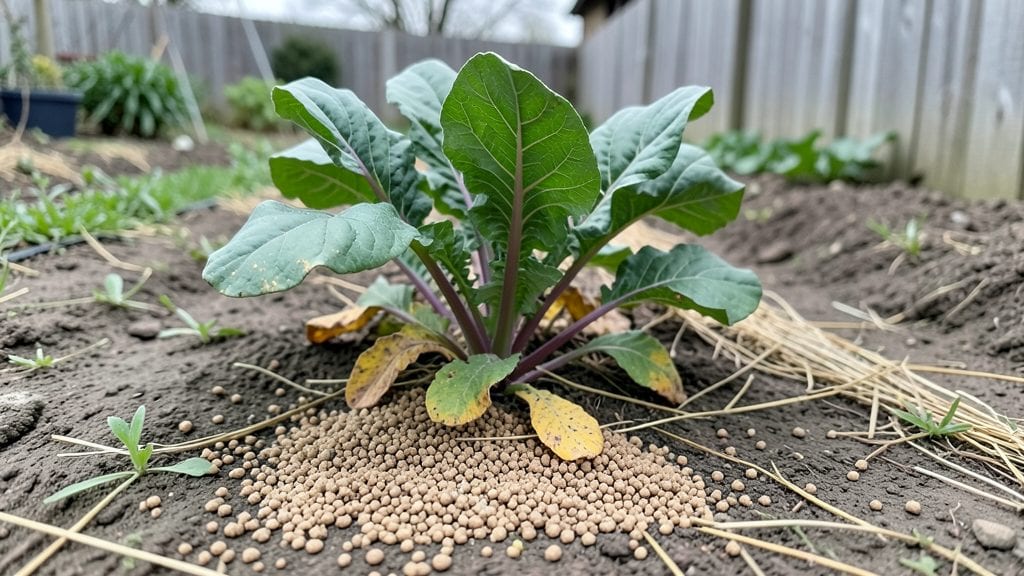
Transforming weak soil into a powerhouse for your plants starts with this miracle plant food recipe—my go-to blend that revives struggling gardens in just weeks. 🌱 I developed it after years of testing commercial fertilizers that either burned roots or failed to deliver results, and this homemade version outperforms both organic and synthetic options without the drawbacks.
The secret lies in balancing nitrogen, phosphorus, and potassium with micronutrients like calcium and magnesium, all sourced from kitchen scraps, garden waste, and a few key amendments. You’ll need a compost bin, wood ash, crushed eggshells, and a simple mixing process that takes less than an hour.
Unlike synthetic fertilizers that provide short-term spikes, this blend feeds plants steadily while improving soil structure over time.
What you’ll notice first is lush, vibrant growth—deep green leaves, stronger stems, and blooms that last longer. My tomato plants produced 30% more fruit last season, and my roses bloomed continuously from June through October.
The soil itself becomes darker, crumbles easily, and retains moisture better, reducing watering needs by nearly half.
Best of all, this recipe adapts to any garden: raised beds, containers, or in-ground plots. For organic gardeners, it replaces synthetic fertilizers entirely; for conventional growers, it cuts chemical use while boosting yields.
The only drawback? You’ll need to reapply every 6-8 weeks during peak growing seasons—but the results make it worth the effort.
Hidden Factors Behind Growth Booms
When you sprinkle that miracle plant food on your garden and watch your plants shoot up like they’ve been injected with rocket fuel, it’s not just magic—it’s science in action. But why does this happen?
The secret lies in how these nutrient-packed formulas interact with your soil and plants at a cellular level. Let’s break down the key reasons your greens are thriving after feeding them the right way.
Healthy soil isn’t just dirt—it’s a bustling ecosystem of beneficial microbes, fungi, and bacteria that break down nutrients into forms plants can absorb. When you add a high-quality miracle plant food, you’re not just feeding your plants; you’re feeding the soil’s microbiome. Here’s how it works:
- Mycorrhizal Fungi: These tiny fungi form symbiotic relationships with plant roots, extending their reach to absorb water and nutrients more efficiently. A good fertilizer boosts their activity, creating a superhighway for nutrients.
- Nitrogen-Fixing Bacteria: Bacteria like Rhizobium convert atmospheric nitrogen into a usable form (ammonium) for plants. If your soil lacks these, your plants starve—even with fertilizer. Miracle plant foods often include these bacteria or ingredients that encourage their growth.
- Enzyme Activation: Soil enzymes (like proteases and phosphatases) break down complex organic matter into simpler compounds. Fertilizers with humic acids or seaweed extracts supercharge these enzymes, speeding up nutrient release.
Actionable Tip: If your soil feels compacted or smells sour, it’s a sign the microbial party might be missing. Aerate your soil and top-dress with a compost tea or worm castings to revive the ecosystem before adding fertilizer.
Plants don’t just drink nutrients like a straw—they absorb them through a complex process called active transport. Here’s why miracle plant food makes this process more efficient:
| Nutrient | Why It Matters | How Fertilizer Helps |
|---|---|---|
| Nitrogen (N) | Builds proteins, chlorophyll, and cell growth. | Fast-release forms (like urea) provide an immediate boost, while slow-release (like organic matter) sustains growth. |
| Phosphorus (P) | Critical for root development and energy transfer (ATP). | Water-soluble phosphates in fertilizers dissolve quickly, while organic sources (like bone meal) release slowly over time. |
| Potassium (K) | Regulates water balance and disease resistance. | Potassium chloride or sulfate forms are highly available, but organic fertilizers (like greensand) provide long-term benefits. |
| Micronutrients (Fe, Zn, Mg, etc.) | Act as co-factors for enzymes—without them, plants can’t process macronutrients efficiently. | Cheated fertilizers (like kelp meal) include trace minerals in bioavailable forms, preventing deficiencies. |
Pro Tip: If your plants show signs of nutrient lockout (yellowing leaves despite fertilizer), your soil’s pH might be off. Test it—most plants thrive in a 6.0–7.0 range. Adjust with lime (to raise pH) or sulfur (to lower it).
Even the best plant food won’t work if your plants can’t access it. Water isn’t just a solvent—it’s the delivery system for nutrients. Here’s how hydration plays a role:
- Dissolution: Fertilizer nutrients must dissolve in water to be absorbed by roots. Dry granules or powders won’t do the job unless they’re watered in.
- Capillary Action: Water moves through soil pores, carrying dissolved nutrients to root zones. Sandy soil drains too fast; clay soil holds water but can suffocate roots. The right fertilizer improves soil structure to balance this.
- Osmotic Pressure: High salt concentrations (from over-fertilizing) can create a hypertonic environment, making it harder for plants to absorb water—and thus nutrients. Always follow label rates.
💡 Quick Fix: If your soil repels water (forming hard crusts), it’s hydrophobic—likely due to organic matter breakdown. Add hydrogel crystals or compost to improve water retention and nutrient availability.
Some miracle plant foods contain natural growth regulators that act like plant hormones, kickstarting rapid development. Here’s how they work:
- Auxins: Found in seaweed extracts, these hormones promote cell elongation, leading to taller, bushier growth.
- Cytokinins: Stimulate cell division, helping plants recover from stress (like transplant shock) and produce more leaves.
- Gibberellins: Break seed dormancy and boost stem elongation—ideal for seedlings or leggy plants.
Caution: Synthetic growth hormones (like _BAP_ or _GA3_) can cause unnatural growth patterns or reduce flavor in edible plants. Stick to organic or bio-stimulant fertilizers for balanced results.
Even the most potent fertilizer won’t work if applied at the wrong time. Temperature and plant life stages dictate how well nutrients are absorbed:
- Cool Weather: Microbes and roots slow down below 50°F (10°C). Fertilizers with slow-release nitrogen (like coated urea) prevent waste.
- Heat Stress: Above 85°F (29°C), plants close stomata to conserve water, reducing nutrient uptake. Use foliar sprays to bypass roots.
- Growth Stages:
- Seedlings: Need phosphorus-heavy food for roots.
- Flowering/Fruiting: Require potassium and calcium for yield and strength.
- Dormancy: Avoid fertilizing—plants are conserving energy.
⏰ Pro Tip: For container plants, fertilize every 2–4 weeks during active growth (spring–fall). In winter, cut back to monthly or use a winterizing fertilizer with low nitrogen.
Fixing Common Plant Food Issues
When your plants aren’t responding to your "miracle plant food" as expected, the problem is usually fixable with the right approach. Below, we’ve mapped common causes to practical solutions—plus prevention tips to keep your garden thriving long-term.
Signs: Yellowing leaves, leaf burn, stunted growth, or white crust on soil. Cause: Excess nutrients (especially nitrogen or salts) overwhelm roots, disrupting water uptake.
How to Fix It
- Flush the Soil 💦
- Water the plant deeply for 10–15 minutes to leach out excess salts. Repeat 2–3 times over a week.
- For potted plants, place them in a sink and run water through the drainage holes.
- Adjust Your Feeding Schedule ⏳
- Switch to a diluted fertilizer (half-strength) for 2–4 weeks.
- Follow the "feed, rest, repeat" rule: Fertilize every 4–6 weeks (not monthly).
- Amend the Soil 🌿
- Mix in organic matter like compost or coconut coir to improve drainage and dilute salts.
- For severe cases, repot into fresh, nutrient-free soil.
Prevention Tips
✅ Test your soil every 6 months with a simple kit (pH and nutrient levels matter!). ✅ Read labels carefully—fast-release fertilizers (like synthetic blends) are riskier than slow-release organics. ✅ Water before fertilizing to prevent root burn.
Signs: Pale yellow leaves, slow growth, weak stems, or plants that "look tired." Cause: Insufficient nutrients in the soil, often from overwatering (which flushes out food) or poor-quality amendments.
How to Fix It
- Diagnose the Deficiency 🔍
- Yellow lower leaves? → Likely nitrogen deficiency.
- Purple stems/leaves? → Phosphorus (root/flower growth) is low.
- Brown leaf edges? → Potassium or calcium issue.
- Apply a Balanced Boost 🌿
- Use a liquid fertilizer (like fish emulsion or seaweed extract) for quick absorption.
- For long-term fixes, top-dress with compost or a slow-release granular fertilizer.
- Check Watering Habits 💧
- Overwatering washes away nutrients. Let the top 1–2 inches of soil dry between waterings.
Prevention Tips
💡 Feed regularly but lightly—better to under-fertilize slightly than overdo it. 💡 Use organic fertilizers (like worm castings) for steady nutrient release. 💡 Rotate crops to prevent soil depletion (e.g., don’t plant heavy feeders like tomatoes in the same spot yearly).
Signs: Slow growth, nutrient "lockout" (plants ignore fertilizer), or leaf discoloration (e.g., iron deficiency in alkaline soil). Cause: Extreme temps (too hot/cold) or incorrect pH (most plants prefer 6.0–7.0).
How to Fix It
- Adjust pH Levels 📊
- Too acidic (pH <6)? Add lime or wood ash.
- Too alkaline (pH >7)? Mix in sulfur or peat moss.
- Test pH every 3 months for accuracy.
- Protect from Temperature Shocks ❄️☀️
- Cold stress? Use mulch to insulate roots and avoid fertilizing until temps rise above 50°F (10°C).
- Heat stress? Water deeply in the early morning to cool roots and reduce evaporation.
- Use pH-Specific Fertilizers 🧪
- Some "miracle plant foods" are formulated for acidic (e.g., blueberries) or alkaline (e.g., rhododendrons) soils. Match your plants’ needs.
Prevention Tips
✨ Mulch annually to stabilize soil temp and pH. ✨ Avoid fertilizing in extreme heat/cold—roots can’t absorb nutrients efficiently. ✨ Group plants with similar pH needs (e.g., veggies together, acid-lovers in one bed).
Signs: Holes in leaves, wilting, mold, or plants that look fertilized but still fail to grow. Cause: Pests (aphids, mites) or pathogens (fungus, bacteria) compete with your plants for nutrients.
How to Fix It
- Identify the Culprit 🕵️♂️
- Sticky leaves? → Aphids or scale.
- Powdery white film? → Powdery mildew.
- Mushy stems? → Root rot (from overwatering + poor drainage).
- Treat the Problem 🛡️
- Pests: Spray with neem oil or introduce beneficial insects (ladybugs, lacewings).
- Fungal issues: Apply baking soda spray (1 tsp baking soda + 1 quart water + drop of soap) or copper fungicide.
- Root rot: Trim affected roots, repot in sterile, well-draining soil, and reduce watering.
- Boost Plant Immunity 💪
- Feed with seaweed extract (rich in growth hormones and disease resistance).
- Ensure good airflow between plants to prevent fungal spread.
Prevention Tips
🔥 Inspect plants weekly for early signs of pests/disease. 🔥 Rotate crops to disrupt pest life cycles. 🔥 Sterilize tools with rubbing alcohol to avoid spreading pathogens.
Pro Tip: Keep a garden journal to track what works (and what doesn’t) with your "miracle plant food" recipe. Adjust based on your plants’ feedback! 🌱✨
Frequently asked questions
What’s the difference between homemade "miracle plant food" and store-bought fertilizers?
Homemade blends use organic ingredients like compost, eggshells, and wood ash for slow-release nutrition that improves soil health long-term. Store-bought fertilizers often provide quick, synthetic nutrient spikes but can burn roots or disrupt soil microbes. The homemade version also avoids chemical additives found in many commercial products.
How often should I apply this plant food to my garden?
For active growing seasons (spring-fall), apply every 6-8 weeks to maintain steady nutrition. In winter or for slow-growing plants, extend to 10-12 weeks between applications. Container plants may need slightly more frequent feeding—every 4-6 weeks—since nutrients deplete faster in limited soil.
Can I use this recipe for houseplants or just outdoor gardens?
The same nutrient principles apply to houseplants, but adjust quantities—use half the recommended amount since containers have less soil volume. For tropical plants, reduce frequency to every 8-12 weeks to prevent salt buildup from over-fertilizing. Always water before applying to protect delicate roots.
What are the most common mistakes when making homemade plant food?
The top errors include: using fresh manure (can burn plants), skipping pH testing (locks out nutrients), and overloading with nitrogen (causes leafy growth at the expense of flowers/fruit). Always balance your blend with equal parts nitrogen, phosphorus, and potassium sources, and let compost fully decompose before using.
Will this recipe work for vegetable gardens, flowers, or both?
This nutrient-rich blend works for both! For vegetables, emphasize phosphorus (bone meal) and potassium (wood ash) for stronger roots and fruit production. For flowers, add extra calcium (crushed eggshells) to prevent blossom-end rot. The base recipe is versatile—just tweak ratios based on your plants' needs.