
Diseases
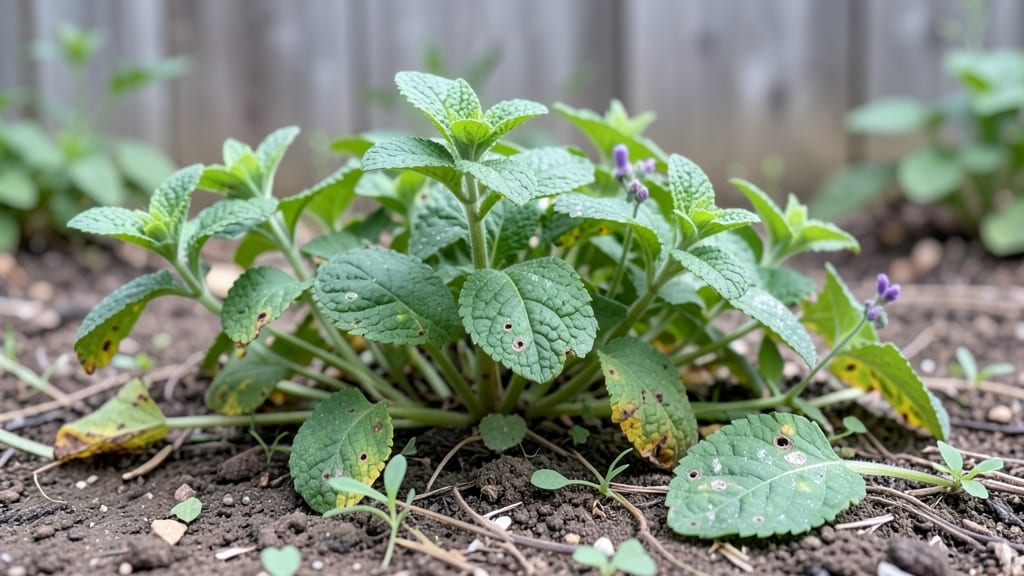
Mint plant diseases strike fast, turning vibrant leaves to dusty gray or slimy brown in days. 🌿 I’ve seen powdery mildew creep across my mint patches like a silent thief, and rust spots spread faster than weeds after a rainstorm.
The good news? You can spot these fungal foes early and stop them before they take over.
Most mint diseases start with poor air circulation or too much moisture—classic mistakes when growing this hardy herb. Overcrowded pots, waterlogged soil, and even shade from nearby plants create the perfect breeding ground.
But here’s the trick: mint thrives on neglect, so a few simple adjustments can save your plants before they even look sick.
Once you recognize the signs—white powder, orange pustules, or mushy stems—you can act fast with organic fixes. A baking soda spray for mildew, neem oil for rust, or better drainage for root rot turns the tide. Within a week, your mint can bounce back if you catch it early.
Prevention is the real game-changer. Prune regularly, space plants properly, and water at the base—not overhead—and you’ll keep your mint healthy for months. No more panicking over spots or wilting leaves—just lush, fragrant growth all season long.
Root Causes Of Mint Ailments
Mint plants, though hardy, are not immune to stress and pathogens. Understanding why these diseases strike helps you tackle them before they spread. Below, we break down the real culprits behind mint plant decline—from environmental factors to microbial invaders—and how they create the perfect storm for trouble.
Mint thrives in moist soil, but too much water is a fast track to fungal infections like root rot and downy mildew. Here’s why:
- Oxygen starvation: Waterlogged roots suffocate, weakening the plant’s defenses. Fungi like Phytophthora (a water mold) thrive in these anaerobic conditions, invading roots and cutting off nutrient flow.
- Fungal spores love moisture: Excess water creates a film on leaves, allowing spores from Peronospora menthae (downy mildew) to germinate and spread rapidly. Think of it like a fungal spa—warm, damp, and perfect for reproduction.
- Soil compaction: Heavy, clay-rich soils hold water like a sponge. Without proper drainage, roots rot, and the plant becomes stressed, making it easier for secondary infections to take hold.
Pro tip: 💡 Use well-draining soil mixes (add perlite or sand) and ensure pots/containers have drainage holes. Water only when the top 1–2 inches of soil are dry.
Many mint diseases, like powdery mildew and rust, are caused by airborne fungal spores. But why do they choose mint? Three key reasons:
- High humidity: Mint loves moisture, but so do fungi. Humidity above 75% creates a greenhouse effect on leaves, trapping spores and promoting germination. Erysiphe cichoracearum (powdery mildew) spreads like wildfire in these conditions.
- Close plant spacing: Crowded mint plants reduce airflow, trapping humidity and spores between leaves. Fungi like rust (Puccinia) jump from plant to plant via wind or water splashes.
- Weakened plants: Stress from heat, drought, or poor soil makes mint more susceptible. A stressed plant is like an open invitation to fungi: "Come on in, the defenses are down!"
Pro tip: ✨ Space plants 12–18 inches apart and avoid overhead watering (use drip irrigation or water at the base). Prune for airflow and harvest regularly to reduce stress.
Pests like aphids, spider mites, and mint rust mites don’t just suck sap—they open doors for diseases. Here’s how:
- Physical damage: Chewing insects create entry points for bacteria (Xanthomonas) and fungi. For example, aphids excrete honeydew, which attracts sooty mold—a black fungal growth that smothers leaves and blocks sunlight.
- Viral vectors: Some pests (like whiteflies) transmit viruses (e.g., Mint vein banding virus) while feeding. These viruses weaken the plant, making it easier for secondary infections to take root.
- Stress from feeding: Constant pest attacks drain the plant’s energy, reducing its ability to produce antifungal compounds. A compromised mint plant is a magnet for diseases.
Pro tip: 🔥 Inspect leaves regularly for pests. Use neem oil or insecticidal soap for prevention, and remove heavily infested leaves immediately.
Mint needs a balanced diet, but imbalances invite disease. Here’s how nutrients play a role:
| Deficiency/Excess | How It Weakens Mint | Disease Risk |
|---|---|---|
| ❌ Nitrogen (N) deficiency | Leaves turn yellow (chlorosis), stunting growth. Weak stems can’t support healthy foliage. | ↑ Powdery mildew (thrives on slow-growing, stressed plants) |
| ❌ Potassium (K) deficiency | Edges of leaves brown and die (necrosis). Weak cell walls can’t resist fungal invasion. | ↑ Root rot (roots are less resilient to waterborne pathogens) |
| ❌ Magnesium (Mg) deficiency | Interveinal chlorosis (yellowing between veins). Photosynthesis drops, reducing energy for disease resistance. | ↑ Bacterial leaf spot (plant can’t fight off pathogens) |
| ❌ Over-fertilization (especially phosphorus) | Excess salts burn roots, reducing water uptake. Fungi like Fusarium exploit this by outcompeting beneficial microbes. | ↑ Fungal wilt (roots can’t absorb water or nutrients) |
Pro tip: 🌡️ Test soil pH (ideal: 6.0–7.0 for mint) and use a balanced fertilizer (e.g., 10-10-10). Avoid synthetic fertilizers if soil is already rich—organic matter (compost) is gentler.
By addressing these root causes—water management, airflow, pest control, and nutrition—you’ll starve diseases out before they take hold. Next up: How to treat these issues and restore your mint’s health!
Fixing Fungal Foes Fast
Now that you’ve spotted the trouble, it’s time to act! Mint plants are hardy, but fungal diseases like powdery mildew, rust, and root rot won’t back down without a fight. The good news?
With the right steps, you can revive your mint and keep future outbreaks at bay. Below, we break down targeted solutions for each common issue—plus prevention tips to keep your mint thriving.
Cause: White, powdery patches on leaves (usually from poor airflow or humidity). Fix It: 🔥 Remove infected leaves – Snip off heavily affected foliage with clean scissors and dispose of them in the trash (not compost). 🍳 Mix a baking soda spray – Combine 1 tsp baking soda + 1 tsp vegetable oil + 1 tsp dish soap + 1 gallon water. Spray both sides of leaves in the morning (oil helps it stick). Repeat every 5–7 days until clear. 👨🍳 Boost airflow – Prune nearby plants to improve circulation, or move mint to a sunnier spot (6+ hours of sunlight daily). ⏰ Prevent recurrence – Space plants 12–18 inches apart, avoid overhead watering, and water early in the day so leaves dry quickly.
Cause: Orange-brown pustules on undersides of leaves (from fungal spores in damp conditions). Fix It: 🔪 Prune aggressively – Cut off all infected leaves (don’t compost them!). Sterilize your pruners with rubbing alcohol between cuts. 🌡️ Fungicide blast – Use a copper-based fungicide (like Bonide Copper Fungicide) or a neem oil spray (1 tbsp neem oil + 1 tsp mild soap per quart of water). Spray every 7–10 days for 2–3 weeks. 🎯 Rotate crops – If growing mint in the ground, avoid planting in the same spot next year (fungi linger in soil). ✨ Prevent spread – Water at the base, not overhead, and remove weeds (they harbor spores).
Cause: Yellowing leaves, mushy stems, and foul-smelling roots (from overwatering or poor drainage). Fix It: 🔥 Pull and inspect – Gently remove the plant and rinse roots under cool water. Trim black/mushy roots with sterilized scissors. 🥘 Repot in fresh mix – Use a well-draining potting mix (add perlite or sand for aeration). If in ground, amend soil with compost and raise beds slightly. 💡 Adjust watering – Let soil dry 1–2 inches deep between waterings. Never let mint sit in soggy soil. 🌡️ Fungal defense – Water with a hydrogen peroxide solution (1 tbsp 3% peroxide per gallon of water) to kill lingering pathogens.
- 💡 Choose disease-resistant varieties – Try ‘Mojito’ or ‘Apple Mint’ (often more resilient). - 🌡️ Space plants properly – Crowding = humidity = fungal party.
Keep mint 12–18 inches apart. - 🍃 Mulch wisely – Use straw or shredded leaves (not wood chips, which hold moisture). - 🔄 Rotate crops – If growing mint in garden beds, wait 2–3 years before replanting in the same spot. - 🌿 Sterilize tools – Wipe pruners with rubbing alcohol between plants to avoid spreading spores.
If your mint is beyond saving (e.g., severe root rot or systemic infection), don’t panic—start fresh! Propagate from healthy stems in clean soil, and your new plants will thank you. For stubborn cases, consult a local extension office for soil tests or stronger fungicides.
Pro Tip: 🌿 Harvest regularly! Pruning encourages airflow and reduces humidity around leaves—nature’s best defense. Plus, fresh mint = happy you.
Frequently asked questions
How do I tell if my mint has powdery mildew vs. rust?
Powdery mildew appears as white, powdery spots on upper leaf surfaces, while rust shows as orange-brown pustules on leaf undersides. Both thrive in humidity, but mildew loves crowded plants, while rust spreads via wind. Check both sides of leaves—rust’s signature spots are a dead giveaway.
Can I still use mint leaves if they have a little mildew?
Yes, but only lightly affected leaves—rinse them thoroughly with water and dry in sunlight. Avoid using heavily infected foliage, as spores can contaminate your dishes. For severe cases, harvest only from healthy stems and discard the rest to prevent spread.
Why does my mint keep getting root rot even with drainage holes?
Root rot often happens when pots lack internal drainage layers (like gravel) or when you water too frequently. Even with holes, soggy soil can occur. Let the top 2 inches dry between waterings, and consider repotting with a 50/50 mix of potting soil and perlite for better airflow.
Is neem oil safe for mint plants?
Yes! Neem oil is organic and mint-friendly when used correctly. Mix 1 tbsp neem oil + 1 tsp mild soap per quart of water, and spray early in the day (avoid direct sunlight). It fights fungi and pests but can burn leaves if overused—limit to every 2 weeks.
How can I prevent mint diseases in containers?
Use sterilized pots (soak in 10% bleach solution, rinse), ensure multiple drainage holes, and choose well-draining soil mixes. Space plants 12+ inches apart and water at the base. Prune regularly to improve airflow—containers trap humidity, making mint a disease magnet without proper care.