
Plants
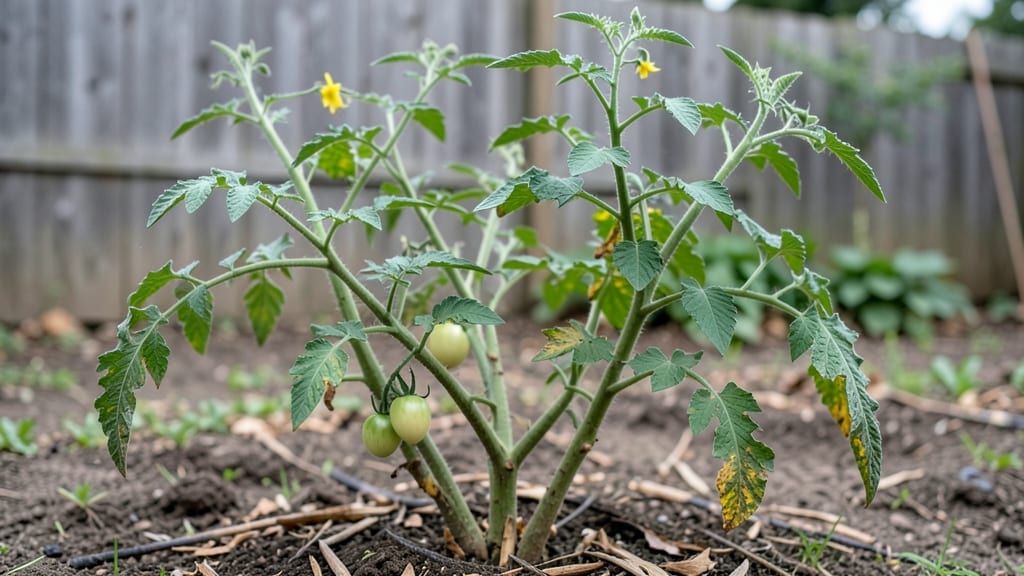
Leggy tomato plants mean fewer fruits and more frustration. I’ve spent years wrestling with spindly vines that barely hold up their own weight, let alone tomatoes. The good news? With the right trims and adjustments, you can turn those weak stems into sturdy, productive bushes in just a few weeks.
Most leggy growth comes from too little light, overcrowding, or planting too deep. My first fix is always pruning the lower leaves—this opens the plant to sunlight and encourages stronger stems.
Next, I trim the suckers (those little shoots between the stem and branches) to redirect energy to fruit production. Finally, if the plant is still top-heavy, I cut back the top growth by a third to balance it.
After these trims, your plant will thicken up, develop more branches, and start setting fruit along the main stem. You’ll see new growth within 10-14 days, and the difference in yield is dramatic. The key is consistency—check your plants weekly and adjust as they grow.
Prevention starts before planting: space seedlings 18-24 inches apart, use sturdy cages or stakes, and ensure they get 6-8 hours of sunlight daily. With these habits, your tomatoes will stay compact, strong, and loaded with fruit all season.
Root Causes of Stretched Growth
Leggy tomato plants aren’t just a sign of poor aesthetics—they’re a cry for help from your plants! When your tomatoes stretch tall and spindly instead of growing strong and bushy, it’s usually a response to environmental or care-related stressors.
Understanding the why behind this growth habit is the first step to fixing it. Let’s break down the most common culprits, backed by science, so you can diagnose—and reverse—the issue.
Tomatoes are sun-worshippers. When they don’t get enough light, they stretch toward the nearest source (a process called etiolation) to maximize their chances of photosynthesis. This results in weak stems, fewer leaves, and—you guessed it—long, leggy growth.
The science behind it: Light triggers the production of phytochrome, a pigment that regulates plant growth. Low light reduces phytochrome activity, causing cells to elongate rapidly (a survival tactic to reach sunlight faster). Meanwhile, the plant diverts energy away from leaf and fruit production to prioritize stem growth.
How to spot it:
- Plants leaning toward a window or light source
- Pale, sparse leaves with large spaces between nodes
- Slow or stunted fruit development despite ample water
Quick fix: Move your plants to a sunny spot (6–8+ hours of direct sunlight daily). If indoors, supplement with a grow light (12–16 hours/day) placed 6–12 inches above the plants. South-facing windows or greenhouses are ideal for outdoor setups.
Tomatoes thrive in warm but not scorching conditions. Extreme heat (above 90°F/32°C) or rapid temperature swings can disrupt their growth hormones, leading to leggy, weak stems. Cool nights (below 50°F/10°C) also slow photosynthesis, forcing plants to stretch for warmth.
The science behind it: Heat stress increases the production of ethylene gas, a plant hormone that accelerates elongation and weakens cell walls. Meanwhile, cooler temperatures reduce auxin (a growth hormone that promotes compact growth), allowing stems to grow unchecked.
How to spot it:
- Plants growing upward aggressively in hot afternoons
- Yellowing leaves (especially older ones) in heatwaves
- Fruit that’s small, misshapen, or fails to ripen
Quick fixes:
- Provide afternoon shade (use shade cloth or a temporary cover during peak heat).
- Mulch heavily to keep roots cool and retain moisture.
- Avoid planting in low-lying areas where heat collects.
- For indoor growers, use a fan for airflow to prevent heat buildup.
Tomatoes need room to breathe. When planted too closely together or in containers that are too small, they compete for light, water, and nutrients—triggering a survival response where they stretch upward to escape competition.
The science behind it: Root competition increases ethylene production, which promotes vertical growth at the expense of lateral (bushy) growth. Additionally, limited space reduces photosynthetic efficiency, forcing plants to prioritize height over leaf and fruit development.
How to spot it:
- Plants touching neighboring foliage or leaning against supports
- Yellowing leaves at the base (a sign of root stress)
- Slow growth despite regular watering
Quick fixes:
- Thin seedlings to 18–24 inches apart for determinate varieties and 24–36 inches for indeterminate types.
- Upgrade to a larger container (at least 5 gallons per plant) if growing in pots.
- Prune lower leaves to improve airflow and reduce competition.
- Consider trellising or caging early to encourage vertical (but controlled) growth.
Fertilizer matters! Too much nitrogen (N) (the first number in NPK ratios) promotes leafy, leggy growth at the expense of flowers and fruit. While lush foliage might look healthy, it’s a red flag that your plant is prioritizing growth over reproduction.
The science behind it: Nitrogen fuels cell division and leaf expansion, but excessive amounts suppress the production of florigen (a hormone that triggers flowering). Without florigen, plants focus on stretching stems to maximize leaf surface area for photosynthesis.
How to spot it:
- Dark green, soft leaves with rapid but weak growth
- Few to no flowers or fruit, despite mature-looking plants
- Leaves that feel spongy or overly succulent
Quick fixes:
- Switch to a balanced or low-nitrogen fertilizer (e.g., 5-10-10 or 3-4-6 ratio).
- Add phosphorus-rich amendments (like bone meal or compost) to encourage flowering.
- Flush the soil with water to leach excess nitrogen before reapplying fertilizer.
- Avoid fresh manure or high-nitrogen compost until the plant shows signs of recovery.
When tomato seedlings are transplanted too early or into restrictive root zones (like small pots or compacted soil), their roots struggle to establish. This stress signals the plant to grow upward quickly to access light before it can stabilize.
The science behind it: Root restriction triggers the production of abscisic acid (ABA), a stress hormone that promotes stem elongation. Meanwhile, the plant delays lateral root growth to prioritize reaching the surface for light.
How to spot it:
- Plants that stop growing for a few days after transplanting, then suddenly shoot upward
- Wilting or yellowing leaves despite regular watering
- Roots circling the bottom of the pot (if repotted too late)
Quick fixes:
- Hardening off seedlings gradually before transplanting to reduce shock.
- Use larger containers (minimum 5 gallons) or bury the pot halfway in the ground for "pot-in-pot" stability.
- Loosen soil around roots at transplanting to encourage spreading.
- Avoid fertilizing for 1–2 weeks post-transplant to let roots recover.
Quick Fixes for Tall, Skinny Tomato Stems
Leggy tomato plants can feel like a race against the sun—towering vines chasing light while fruit production lags behind. But don’t let those stretched-out stems stress you out! With a few targeted tweaks, you can coax your plants back into shape and boost those juicy yields.
Below, we’ll tackle the most common causes of leggy growth and match them with practical, step-by-step solutions—plus tips to keep your tomatoes thriving long-term.
Problem: When tomato plants don’t get enough sunlight (6–8+ hours daily), they stretch wildly toward any available light, weakening stems and reducing fruit.
How to Fix It: 🔥 Move Them to Sunniest Spot
- Relocate pots or seedlings to a south-facing area (Northern Hemisphere) or the brightest part of your garden.
- If using containers, place them on a rolling cart or raised bed to adjust position as the sun shifts.
🍳 Supplement with Grow Lights (Indoors)
- Use a full-spectrum LED grow light 12–16 inches above plants for 14–16 hours/day.
- Angle lights to encourage upward growth (not just stretching).
👨🍳 Thin Out Nearby Plants
- Remove competing veggies or weeds within 18 inches of your tomatoes to reduce shade.
Prevention Tip: 💡 Start seeds indoors under grow lights 4–6 weeks before the last frost, then harden them off gradually in bright conditions.
Problem: Plants fighting for nutrients and air circulation grow tall and spindly as they reach for resources.
How to Fix It: 🔪 Prune Aggressively (But Strategically)
- Remove lower leaves (up to 12 inches from the ground) to improve airflow and sunlight penetration.
- Snip suckers (side shoots in leaf axils) to redirect energy to main stems and fruit clusters.
⏰ Space Them Properly
- Determinate tomatoes: 2–3 feet apart.
- Indeterminate tomatoes: 3–4 feet apart (or trellis them vertically).
- If already planted too close, transplant one plant to a new spot.
Prevention Tip: 🎯 Use stake-and-string trellises or cages early to guide growth upward—this saves space and reduces legginess.
Problem: Too much nitrogen (common in lawn fertilizers or balanced feeds) fuels leafy growth at the expense of flowers and fruit.
How to Fix It: 📊 Flush the Soil
- Water plants deeply for 10–15 minutes to leach excess nitrogen.
- Repeat every 2–3 weeks if using high-nitrogen fertilizer.
🥗 Switch to Bloom-Boosting Fertilizer
- Use a low-nitrogen, high-phosphorus fertilizer (e.g., 5-10-10 or tomato-specific feed).
- DIY fix: Mix 1 tbsp bone meal into the soil at planting for phosphorus.
🌿 Add Compost or Worm Castings
- Top-dress with 1–2 inches of compost to improve soil structure and provide balanced nutrients.
Prevention Tip: ✨ Avoid "green-up" fertilizers (like lawn food) near tomatoes—opt for organic tomato feeds with higher potassium (e.g., 0-10-10).
Problem: Roots struggling in small pots or hard soil force plants to grow upward for light and air.
How to Fix It: 🔄 Repot or Transplant
- Move container-grown tomatoes to a larger pot (5+ gallons) with fresh well-draining soil.
- If in the ground, loosen soil around roots with a fork and amend with compost or perlite.
💧 Improve Drainage
- Ensure pots have drainage holes and use a mix of potting soil + coconut coir + perlite.
- For garden beds, add sand or vermiculite to heavy clay soil.
Prevention Tip: 🔥 Use self-watering containers or drip irrigation to keep roots consistently moist (but not soggy)—stress from uneven watering worsens legginess.
- Prune in Stages: Trim leggy growth early in the morning to reduce stress (plants heal faster).
- Succession Plant: Replace leggy starts with bushier varieties like ‘Patio’ or ‘Tiny Tim’ for compact growth.
- Mulch Thickly: Use straw or wood chips to keep roots cool and retain moisture, reducing upward stretching.
Frequently asked questions
Why do my tomato seedlings stretch so tall before producing leaves?
This is called etiolation—your seedlings are starved for light and stretching toward any available source. Move them to a sunniest windowsill or use a grow light 6 inches above for 14-16 hours/day. If they're already planted, thin competing plants within 18 inches to reduce shade competition.
Can I prune leggy tomato plants too much? What’s the right balance?
Prune with purpose! For indeterminate varieties, remove lower leaves up to 12 inches to improve airflow, but leave upper leaves for photosynthesis. Trim suckers (side shoots) to encourage fruit production, but never cut more than 1/3 of the plant at once. Prune in early morning to reduce stress.
Will my leggy tomato plants ever recover enough to produce fruit?
With proper care, leggy plants can bounce back. Focus on increasing sunlight, pruning strategically, and switching to bloom-boosting fertilizer (5-10-10 ratio). You’ll see new growth and flowers within 2-3 weeks. Just avoid high-nitrogen feeds—they’ll make the problem worse.
What’s the best way to support leggy tomato plants without damaging them?
Use soft ties (like old T-shirts or garden twine) to gently secure plants to stakes or cages. Avoid plastic ties—they can cut into stems as they thicken. For extreme cases, bury a bamboo stake 2/3 of the way and tie loosely every 6-8 inches up the stem.
Can I still get tomatoes from leggy plants if I’ve already missed the early pruning window?
Don’t panic! Even late in the season, you can salvage your plants. Cut back the top growth by 1/3 to encourage bushier growth, and focus on removing suckers to redirect energy to existing fruit. Add a balanced fertilizer (3-4-6 ratio) and ensure 6+ hours of sunlight daily—you’ll still get a harvest!