
How To
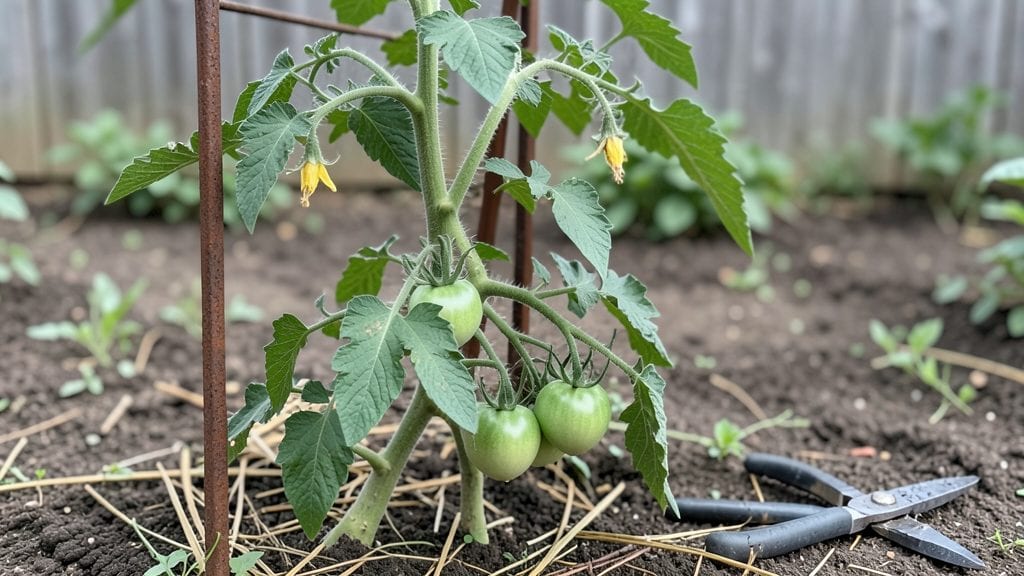
Growing tall tomato plants means harvesting baskets of fruit from vines that reach the ceiling. 🌱 I’ve turned my backyard into a jungle of 6-foot tomato towers, and the secret isn’t just the right variety—it’s how you train them from day one.
Most gardeners give up after the first pruning, but the real magic happens when you treat those vines like vertical superstars.
Start with indeterminate varieties like ‘Sungold’ or ‘Brandywine,’ then give them a sturdy 6-foot stake or trellis before they get too heavy.
The key is pruning suckers (those little shoots in the leaf axils) every week—keep the main stem strong, and the plant will focus energy on upward growth and fruit production. Water deeply but consistently, and watch those vines climb like never before.
📚 In This Guide
- What you need
- Instructions
- Tips and common mistakes
- Wrapping up and next steps
What you need
- ● Tomato Seeds or Seedlings: Choose indeterminate varieties like 'Sungold,' 'Cherokee Purple,' or 'Brandywine' for tall growth. Start with 3–6 plants (or seeds) per 100 sq. ft. of garden space.
- ● Well-Draining Soil: A mix of 60% topsoil, 30% compost, and 10% perlite or vermiculite (for aeration). Aim for a pH of 6.0–6.8.
- ● Balanced Fertilizer: Use a 10-10-10 or 5-5-5 NPK ratio (organic options like fish emulsion or worm castings work too). Apply 1–2 tbsp per plant at planting and every 4–6 weeks.
- ● Support Structures: Tall cages (6–8 ft) or sturdy wooden stakes (2x2 inches, 6–7 ft long)—2–3 per plant.
- ● Garden twine or soft plant ties (3–4 ft rolls) for securing vines.
- ● Mulch: 2–3 inches of straw, wood chips, or black plastic to retain moisture and suppress weeds.
- ● Garden trowel or transplant spade (for planting seedlings).
- ● Pruning shears (for trimming suckers and dead leaves).
- ● Watering can or hose with a gentle spray nozzle (deep watering 1–2 times daily).
- ● Gloves (to protect hands from thorns and soil).
- ○ pH testing kit (optional but helpful for soil monitoring).
- ● Drip irrigation system to automate watering and save time.
- ● Epsom salt (1 tbsp per gallon of water) for magnesium boosts (spray leaves monthly).
- ● Coffee grounds or banana peels (buried near plants for potassium).
- ● Shade cloth (30–50%) for hot climates to prevent sunburn on young plants.
Step-by-step instructions for growing tall tomato plants
Turn your garden into a sun-drenched jungle with these proven techniques for towering tomato vines.
🌱 Step 1: Select the Right Varieties and Start Early
Choose indeterminate varieties like 'Sungold', 'Brandywine', or 'Cherokee Purple'—these keep growing until frost. I start seeds indoors 8-10 weeks before last frost in 2-3 inch deep biodegradable pots. The early head start gives roots time to establish before outdoor heat arrives.
Use a seed-starting mix (not garden soil) to prevent damping-off. Plant 2 seeds per pot at ¼ inch deep, then thin to the strongest seedling after germination. Keep soil consistently moist but never soggy—65-75°F is ideal for germination.
☀️ Step 2: Provide Strong Light and Prune Strategically
Move seedlings to a south-facing window or under grow lights for 14-16 hours daily once they sprout. Without enough light, stems grow weak and leggy. I use a T5 LED grow light 2-4 inches above the plants, raising it as they grow.
When plants reach 12 inches tall, start pruning suckers—the small shoots that form in the leaf axils. Remove these aggressively to direct energy upward. Keep the main stem unobstructed and remove lower leaves that touch the soil to prevent disease.
🪴 Step 3: Transplant and Support for Maximum Height
After 4-6 weeks and when seedlings have 3-4 true leaves, transplant outdoors on an overcast day. Bury stems ⅔ deep to encourage strong root growth from buried nodes. Install 6-foot tall cages or heavy-duty stakes immediately—tall tomatoes need support from day one.
I tie stems to the support with soft plant ties every 12 inches as they grow. Mulch with 2-3 inches of straw to retain moisture and prevent soil-borne diseases. Water deeply at the base 2-3 times weekly, avoiding wet foliage to prevent blight.
💧 Step 4: Feed and Monitor for Peak Growth
Fertilize with a balanced 10-10-10 formula every 2-3 weeks once flowers appear. Tall tomatoes need extra potassium for fruit development. I switch to a low-nitrogen, high-phosphorus fertilizer when fruit sets to boost flowering.
Watch for signs of stress—yellow leaves mean overwatering, while curled leaves signal underwatering. Prune suckers weekly to maintain upward growth. In late summer, reduce water slightly to concentrate flavors and harden stems before frost.
✂️ Step 5: Harvest and Extend the Season
Pick tomatoes when fully colored and slightly soft to the touch. For indeterminate varieties, keep pruning and fertilizing until frost. I harvest every 2-3 days to encourage continuous production.
If frost threatens, cover plants with frost blankets or move potted tomatoes indoors temporarily. With proper care, your vines can reach 6-8 feet and produce fruit until first hard frost—sometimes even longer with protection.
Tips & tricks for growing towering tomato plants
Growing tomatoes that reach sky-high heights takes more than just sunshine—it's about the little details that make all the difference. Here's what I've learned after years of growing 6-foot vines that produce until frost.
Lighting is Everything: Those crucial 14-16 hours of daily light are non-negotiable for strong stems. I've found that using a T5 LED grow light 2-4 inches above seedlings creates the perfect environment. If you notice leggy seedlings, move the light closer or add a second light source. The goal is to keep stems sturdy from day one—weak stems now mean weak plants later.
Timing Your Transplant: The 4-6 week indoor growing period is your golden window. Wait until seedlings have 3-4 true leaves and the nighttime temperatures stay consistently above 50°F before transplanting. I always do this on an overcast day to reduce transplant shock. Burying stems ⅔ deep might seem counterintuitive, but it encourages strong root growth from those buried nodes—this is how you get those massive vines.
Support System Secrets: Don't wait until your plants are already toppling over to install support! Set up your 6-foot cages or stakes immediately after transplanting. I use soft plant ties every 12 inches as the plant grows to prevent stem damage. Pro tip: If you're using stakes, add a second stake at a 45-degree angle to create a natural trellis effect that helps distribute weight.
Watering Wisdom: Those 2-3 weekly deep waterings are critical, but timing matters too. Water in the morning so foliage has time to dry completely before evening—this prevents fungal diseases like blight. I've learned the hard way that overhead watering is a no-go for tall tomatoes. Use a soaker hose at the base instead to keep leaves dry and stems strong. In late summer, reduce water slightly to concentrate flavors and harden stems before frost.
Pro Tips for Grow Tall Tomato Plants
- Growing tomatoes that reach sky-high heights takes more than just sunshine—it's about the little details that make all the difference.
- Lighting is Everything: Those crucial 14-16 hours of daily light are non-negotiable for strong stems.
- Timing Your Transplant: The 4-6 week indoor growing period is your golden window.
Frequently asked questions
Got questions about growing towering tomato plants? You’re not alone! Here are answers to the most common queries—so you can grow those sun-loving giants like a pro.
How long does it take for tall tomato plants to reach 6 feet?
Most indeterminate tomato varieties (the tall ones!) can hit 6 feet in 60–90 days from transplanting, provided they get full sun (6–8+ hours/day), consistent watering, and proper support. Early varieties like ‘Sungold’ or ‘Brandywine’ may reach height faster, while heirlooms like ‘Cherokee Purple’ take a bit longer.
Can I grow tall tomatoes in containers? If so, what size pot do I need?
Tall tomatoes thrive in containers if the pot is at least 18–24 inches deep and 12+ inches wide. Use a lightweight, well-draining potting mix and add a sturdy cage or trellis. Just ensure the container has drainage holes to prevent root rot. Pro tip: Place pots on wheels or casters for easy moving if space is tight!
Why are my tall tomato plants leaning or falling over? How do I fix it?
Leaning or flopping stems usually mean lack of support, overcrowding, or weak stems. Immediately install a cage, stake, or trellis and gently tie the main stem to it with soft plant ties. If the plant is top-heavy with fruit, prune some lower leaves to reduce weight. For extra stability, bury a wide stake deeper into the soil or use a tomato tower.
Do tall tomato plants need pruning? If so, when and how?
Yes! Pruning indeterminate (tall) tomatoes 2–3 times per season promotes airflow, reduces disease risk, and directs energy to fruit production. Pinch off suckers (the small shoots in the leaf axils) when they’re <2 inches long. Avoid over-pruning—leave 3–5 main stems for balance. Do this in the morning to let wounds heal before evening.
What’s the best way to harvest tall tomatoes without damaging the plant?
Harvest tomatoes by gently twisting the fruit until it separates from the vine—never pull or yank! Use pruning shears for stubborn stems. Pick in the morning when fruits are fully colored but still firm. Leave a few inches of stem attached to prevent sunscald. For oversized tomatoes, use a small bowl or basket to catch them without bending over.
Can I grow tall tomatoes in partial shade? What’s the minimum sunlight needed?
Tall tomatoes need at least 6 hours of direct sunlight daily to thrive. Partial shade (e.g., 4–6 hours of sun) will stunt growth and reduce fruit quality. If your space is shady, choose determinate varieties (like ‘Roma’ or ‘Celebrity’) or supplement with a grow light. South-facing windows or a sunny patio can work in a pinch!
Wrapping up and next steps
Growing tall, thriving tomato plants is totally within your reach—just follow the right techniques! With the right soil mix, support system, and a little patience, you’ll be harvesting sun-ripened giants in no time. 🌱
Ready to take the next step? Start by planting your seeds or seedlings this week—spring is the perfect time to begin! Keep an eye on your plants, adjust their care as needed, and soon you’ll be enjoying homegrown tomatoes that reach for the sky.