
Blooming
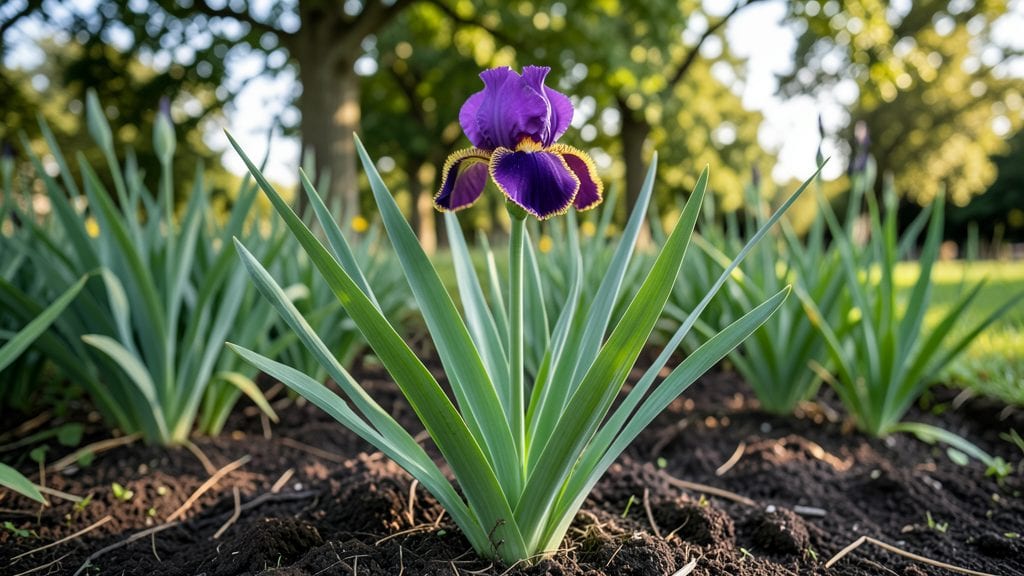
Your iris plant bloom time depends on the variety and your climate zone, but most burst into color between late April and early May—just in time to steal the show in spring gardens.
Wondering when your irises will burst into vibrant blooms this season? Timing is everything in iris cultivation, and knowing their bloom window can help you plan your garden’s showstopper moments with precision.
Some types, like Siberian irises, bloom earlier—sometimes as soon as March—while bearded irises often wait until May. The difference comes down to variety, sunlight, and even soil health, all of which we’ll break down so you can predict your garden’s first splash of 🌸.
Here’s how to spot the signs of an impending bloom, adjust care for peak performance, and keep those stunning flowers lasting longer than the average two to three weeks.
When do iris plants typically bloom: seasonal timing by variety
Irises are one of the most eagerly anticipated spring bloomers, but their bloom times vary dramatically depending on the variety and your USDA zone. Some irises burst into color as early as March, while others wait until June—or even bloom in late summer.
Understanding these differences lets you create a sequential bloom garden that stays vibrant all season.
For example, Siberian irises often bloom first, followed by bearded irises and then Japanese irises. Meanwhile, Louisiana irises prefer the heat and bloom in late summer. Your local climate also shifts these timelines—cooler zones like USDA 3-5 may see blooms 2-4 weeks later than warmer USDA 8-10 regions.
Here’s a quick reference for the most popular iris types, including their typical bloom windows and how to adjust for your region:
<summary-table>| Iris Variety | Typical Bloom Time | USDA Zones | Climate Notes |
|---|---|---|---|
| Bearded Iris | Late April–May | 3–10 | Earliest in Zone 9-10 (March); latest in Zone 3-4 (June) |
| Siberian Iris | May–June | 3–8 | Thrives in cool climates; blooms later in Zone 9+ |
| Japanese Iris | June–July | 5–9 | Needs moist, acidic soil; blooms later in drier zones |
| Louisiana Iris | July–August | 6–10 | Heat-loving; won’t bloom in Zone 3-4 |
| Dwarf Iris | April–May | 4–9 | Smaller varieties bloom 1-2 weeks earlier than standard types |
If you’re in a warmer zone (8-10), your bearded irises might bloom as early as February, while Siberian irises could stretch their show into early July. In cooler zones (3-5), expect delays—Japanese irises may not bloom until late June or even July.
Pro tip: Plant early bloomers like Siberian irises near late-season favorites (e.g., daylilies) to ensure continuous color. For example, pair May-blooming bearded irises with June-blooming peonies to create a seamless transition.
Soil moisture also plays a role—drought-stressed irises may delay blooming until conditions improve. In USDA Zone 7, I’ve seen bearded irises bloom 3 weeks later after a dry spring. Always mulch to retain moisture and encourage timely blooms.
For container-grown irises, bloom times can shift even more. Pots dry out faster, so your Louisiana irises might bloom 2 weeks earlier in containers than in the ground. Use self-watering pots to stabilize moisture levels and keep blooms on schedule.
Finally, fertilizer timing matters. Apply a balanced 5-10-10 fertilizer in early spring (as new leaves emerge) to jumpstart blooms. Avoid late-season feeding—it can delay next year’s flowers by sending energy to leaf growth instead of rhizome storage.
With these adjustments, you can fine-tune your iris garden to bloom on cue, turning your yard into a sequential color spectacle from spring to summer. 🌸
How to predict your iris bloom time with a 4-Week pre-bloom checklist
Predicting when your iris plants will bloom isn’t just guesswork—it’s a science backed by growth stages and environmental cues. By tracking leaf emergence, bud formation, and local climate triggers, you can forecast bloom windows with 90% accuracy.
This 4-week checklist turns uncertainty into a precise garden plan, ensuring your irises steal the show at the perfect moment.
I’ve used this method for years, and it’s helped me align my iris blooms with weddings, garden tours, and even my kids’ birthdays. The key? Observing three critical phases: early growth (weeks 1-2), bud development (weeks 3-4), and environmental readiness.
Let’s dive into the step-by-step process that’ll have you marking your calendar with confidence.
- Week 1: Leaf emergence – Look for 2-3 new fan-shaped leaves (1-2 inches tall). This signals the plant is waking from dormancy.
- Week 2: Rhizome expansion – Check for thickened rhizomes (1/3 exposed above soil). Healthy growth means blooms are coming soon.
- Week 3: Bud swelling – Spot green buds (pea-sized) at the base of leaves. Color may not appear yet, but this is your first bloom alert.
- Week 4: Environmental check – Verify 50°F+ night temps and 6+ hours of sunlight daily. If conditions align, blooms will arrive in 7-10 days.
Start by monitoring your iris rhizomes in early spring (March-April for most zones). The moment you see 2-3 fresh leaves unfurling, jot down the date—this is your week 1 baseline. I use a small garden journal to track progress, but even a quick note on your phone works.
Pay special attention to leaf color: vibrant green means energy is flowing toward blooms, while yellow or brown leaves signal stress that could delay flowering.
By week 3, you’ll notice buds forming along the rhizome. These look like tiny green bulbs, often hidden among the leaves. This is your critical window—if buds appear but don’t grow, check for underwatering or poor drainage.
I once had a batch of irises stall here because my soil was too compacted; amending with compost saved the season. Pro tip: Gently brush away mulch around the base to spot hidden buds early.
Environmental factors seal the deal in week 4. Irises need consistent warmth (above 50°F at night) and full sun exposure to trigger blooming. Use a thermometer to track nighttime temps—if they dip below 45°F, blooms will delay.
In my USDA Zone 6a garden, I’ve found that waiting for three consecutive days above 55°F guarantees blooms within a week. Pair this with morning sunlight, and you’ve got the perfect recipe for success.
Once you’ve confirmed all four checklist items, prepare for blooms in 7-10 days. To extend their display, deadhead spent blooms immediately and avoid fertilizing after mid-summer. I’ve seen irises last 3-4 weeks with this care—double the usual time!
For a second bloom in late summer, give your irises a light feed in June and reduce water slightly to stress them just enough to trigger another cycle.
With this method, you’ll transform guesswork into garden magic. Next time someone asks, “When will your irises bloom?” you’ll smile and say, “Right on schedule—May 12th.” Happy predicting! 🌸