
Plants
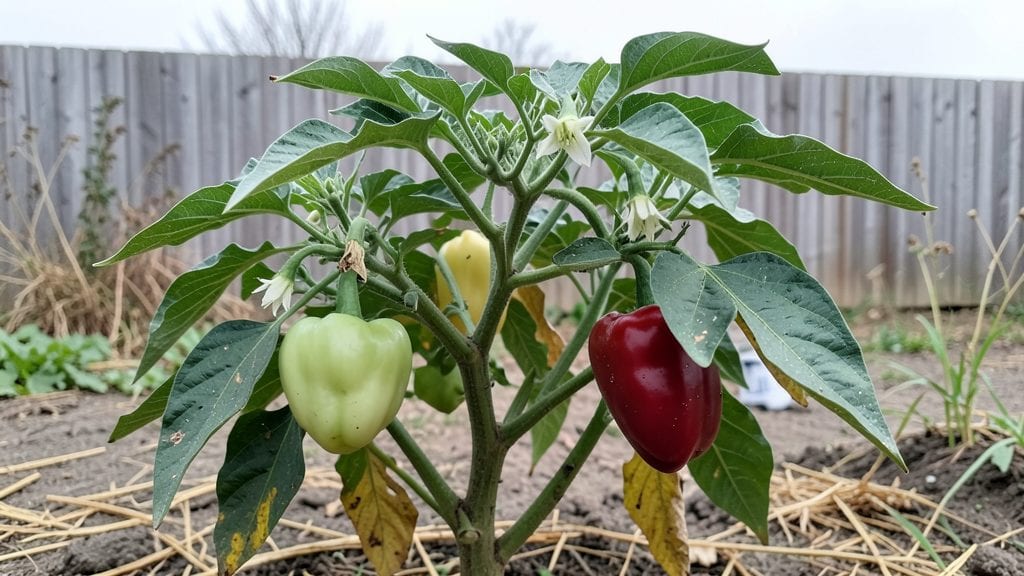
Identifying pepper plants starts with their serrated leaves and square stems—clues that set them apart from tomatoes or eggplants. 🌱 I’ve spent years telling the difference between these three, and once you learn these simple tricks, you’ll spot peppers instantly, even before they fruit.
The leaves are the key: peppers have jagged edges and a slightly waxy texture, while tomatoes are smooth and eggplants are broader with spiny stems.
Young pepper plants often confuse beginners because they look like tiny tomato seedlings. But peek at the stem: peppers have a distinct square shape when you cut them (yes, I’ve done it to confirm).
The first true leaves—small, oval, and slightly hairy—are another dead giveaway. If you’re still unsure, check the soil: peppers prefer well-draining mixes, while tomatoes tolerate heavier soil.
Once you’ve confirmed it’s a pepper, you’ll notice the growth pattern—they branch out more aggressively than tomatoes and develop a bushier habit. Early blooms appear in leaf axils (the spot where leaves meet the stem), and the flowers are small, white, and star-shaped.
That’s when you know you’ve got a pepper plant, not an imposter.
Now that you can ID them, here’s the next step: care tips to keep them thriving. Peppers love full sun (6+ hours daily) and consistent moisture, but not soggy soil. Watch for pests like aphids or spider mites—those tiny leaves make them prime targets.
With the right care, you’ll go from “Is this a pepper?” to harvesting spicy, sweet, or smoky peppers by summer.
Root Causes of Misidentification
When it comes to identifying pepper plants, confusion often stems from a few key biological and environmental factors. Understanding these root causes helps gardeners and plant enthusiasts spot the differences—and avoid costly mistakes. Here’s why misidentification happens so frequently:
Pepper plants (Capsicum spp.) share a surprising amount of DNA, which means their leaf shapes, stem textures, and growth habits can look eerily alike at first glance.
For example: - Bell peppers (Capsicum annuum) and jalapeños (Capsicum annuum too!) belong to the same species but differ in fruit shape and heat levels—not always obvious from foliage alone. - Habaneros (Capsicum chinense) may have narrower leaves than cayenne peppers (Capsicum frutescens), but young plants can appear nearly identical until flowers or fruit emerge. - Wild or hybrid peppers (like Capsicum pubescens) might have fuzzy stems or unique leaf serrations that mimic diseases or pests rather than natural traits.
Actionable Tip: 🔍 Compare multiple leaves along the stem—older leaves often reveal species-specific traits (e.g., jagged edges vs. smooth lobes).
Young pepper plants are master mimics, often looking like seedlings of other nightshades (e.g., tomatoes, eggplants, or even weeds). Key reasons: - Lack of flowers/fruit: Peppers rely on fruit shape, color, and heat for ID, but these don’t appear until weeks 6–8.
Without them, you’re left guessing based on: - Stem hairiness (e.g., Capsicum pubescens has dense hairs; Capsicum annuum is usually smooth). - Leaf arrangement (alternate vs. opposite—peppers are alternate, but some weeds mimic this). - Variegation or stress: Nutrient deficiencies (like magnesium deficiency) can cause yellowing or curling that resembles disease, not species traits.
Pro Tip: ✨ Check the node pattern—pepper leaves grow in a spiral along the stem, while tomato leaves alternate more predictably.
Pepper plants react to their surroundings, and stress signals can mask their true identity.
Common culprits: - Overwatering or drought: Both cause leaf yellowing (chlorosis) or wilting, making a healthy Capsicum chinense look like a struggling Capsicum annuum. - Temperature swings: Cold snaps trigger purpling stems (a survival mechanism), which some growers mistake for Capsicum pubescens (a cold-hardy species). - Light exposure: Shade-loving varieties (like Capsicum baccatum) may develop lighter green leaves if grown in full sun, confusing them with sun-adapted types.
Quick Fix: 🌡️ Monitor growing conditions—healthy peppers in ideal temps (70–85°F) show their true colors (literally).
Unseen invaders can warp leaves, stems, and growth patterns, making identification nearly impossible.
Examples: - Aphids or spider mites: Cause curling or stippling, making leaves look like those of a different species. - Fungal infections (e.g., early blight): Create concentric rings on leaves, mimicking genetic leaf patterns. - Viral infections (e.g., mosaic virus): Produce yellow patches or stunted growth, altering the plant’s natural shape.
Red Flag: 🚨 Isolate suspicious plants—if the "pepper" has unusual spots, holes, or deformities, it’s likely battling pests, not just being a rare variety.
Even experienced growers fall victim to mislabeling from:
- Seed packets: Some heirloom or hybrid seeds are mislabeled due to human error or printing mistakes.
- Nursery sales: Young plants may be grafted (e.g., a bell pepper scion on a jalapeño rootstock), confusing their true identity.
- Online purchases: Photos of mature plants don’t always match the seedling’s early traits.
Solution: 🔎 Buy from reputable sources and cross-check with leaf databases (e.g., the Pepper Scale).
Cross-pollination between pepper varieties creates unpredictable hybrids with:
- Mixed leaf shapes (e.g., a bell pepper’s broad leaves + a habanero’s serrated edges).
- Stunted growth or irregular flowering, making them look like a separate species.
- Fruit that doesn’t match the parent plants (e.g., a mild fruit on a plant that should be hot).
Avoid the Guesswork: 🌱 Grow from verified seeds or use pollination barriers (like mesh bags) if breeding intentionally.
Quick fixes for pepper plant woes
Got a pepper plant acting out? Don’t panic—most issues have simple, effective solutions. Below, we’ve mapped common problems to practical fixes, plus prevention tips to keep your peppers thriving. 🌱🔧
Cause: Overwatering or underwatering stresses plants, turning leaves yellow or crispy.
How to Fix It:
- 💧 Check the soil: Stick your finger 1–2 inches deep. If it’s soggy, you’re overwatering. If dry, it’s time to hydrate.
- 🌧️ Adjust your routine: Water only when the top inch of soil feels dry. Use well-draining pots with drainage holes to prevent root rot.
- ☀️ Boost airflow: Ensure your plant gets 6–8 hours of sunlight daily and place it where air circulates (e.g., near a fan but not in drafts).
💡 Prevention Tip: Mulch around the base to retain moisture without drowning roots. Use coconut coir or straw for best results.
Cause: Pests (aphids, spider mites) or fungal diseases (like powdery mildew) attack weak or stressed plants.
How to Fix It:
- 🦟 For pests:
- 🍎 Spray with neem oil: Mix 1 tsp neem oil + 1 tsp mild soap in 1 quart of water. Spray leaves thoroughly (repeat weekly).
- 🕷️ Remove pests by hand: Wipe off aphids with a damp cloth or blast spider mites with a strong water stream.
- 🍄 For fungal spots:
- 🌿 Prune infected leaves immediately and dispose of them (don’t compost!).
- 🌡️ Improve airflow: Space plants 12–18 inches apart and avoid overhead watering.
💡 Prevention Tip: Inspect new plants for pests before bringing them home. Quarantine them for a week if needed.
Cause: Peppers need the right conditions to fruit—too much shade, wrong nutrients, or stress can halt production.
How to Fix It:
- ☀️ Light check: Move your plant to a sunniest spot (south-facing window or grow lights for indoors).
- 🌱 Nutrient boost: Feed with a balanced fertilizer (10-10-10) every 4–6 weeks during growing season. For flowering, switch to a phosphorus-rich fertilizer (like 5-10-10).
- 🌡️ Temperature tweak: Peppers thrive in 70–85°F. If nights dip below 55°F, use a small space heater or move pots indoors temporarily.
💡 Prevention Tip: Pinch off early flowers if your plant is leggy—let it focus on foliage first. Once sturdy, it’ll fruit like crazy!
Cause: Lack of light or overcrowding leads to weak, stretched-out growth.
How to Fix It:
- 🌞 More light: Supplement with a grow light (LED bulbs work great) if natural light is insufficient.
- 🪴 Prune and support: Trim leggy stems to encourage bushier growth. Use cages or stakes to prop up plants as they grow.
- 🌿 Rotate regularly: Turn pots weekly so all sides get even light exposure.
💡 Prevention Tip: Start with compact varieties (like ‘Shishito’ or ‘Jalapeño’) if space is limited. They stay bushy with less pruning!
✨ Pro Tip: Keep a plant journal! Note watering, sunlight, and fertilizer dates to spot patterns. Happy peppers = happy gardener! 🌶️😊
Frequently asked questions about pepper plant identification
How can I tell if my plant is a pepper vs. a tomato or eggplant?
Check the leaf shape and stem texture: peppers have jagged, serrated edges and square stems, while tomatoes have smooth, lobed leaves and round stems. Eggplants have spiny stems and broader leaves. Another clue is the growth pattern—peppers branch out more aggressively than tomatoes.
What do young pepper seedlings look like before they develop leaves?
New pepper seedlings start with small, oval cotyledons (first true leaves) that are slightly hairy and grow in a spiral pattern. The square stem (visible when cut) is another early identifier. Compare this to tomato seedlings, which have smoother, rounder stems and simpler leaf shapes.
Can I identify a pepper plant just by looking at the flowers?
Yes! Pepper flowers are small, white, and star-shaped, appearing in the leaf axils (where leaves meet the stem). Tomatoes have larger, yellow flowers, while eggplants have purple blooms. The flower’s position and shape are key clues—pepper flowers grow singly or in small clusters, never in large umbels like tomatoes.
What if my pepper plant looks different from what I expected—could it be a hybrid?
Cross-pollination between varieties can create unpredictable hybrids with mixed traits (e.g., bell pepper leaves + habanero serrations). If your plant’s leaves or fruit don’t match the expected variety, check for nearby pollinators (bees, wind) or confirm the seed source. Grafted plants may also show unexpected characteristics.
How do I distinguish between hot and mild pepper varieties just from the leaves?
Leaf shape gives subtle hints: hotter peppers (like habaneros) often have narrower, more serrated leaves, while milder types (like bells) have broader, smoother edges. However, this isn’t foolproof—always check the fruit or flower for definitive clues. Some mild peppers (like shishitos) can mimic hot varieties early on.