
Pruning
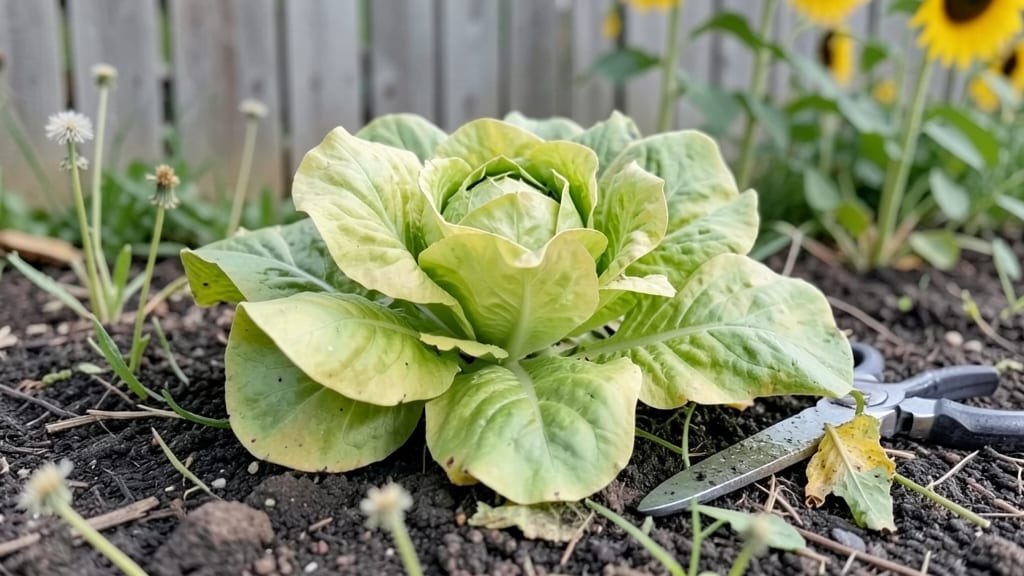
Trimming lettuce plants isn’t just about getting fresh greens—it’s the secret to keeping them producing crisp, sweet leaves for weeks longer than you’d expect. ✨ I’ve watched my butterhead lettuce go from sad, wilted scraps to a thriving bush just by cutting back the right way, and it works for romaine, leaf lettuce, and even arugula too.
The key? Timing, technique, and knowing which leaves to leave behind.
You’ll only need a sharp pair of scissors (or even clean fingers) and 10 minutes on a sunny morning. Start by harvesting the outer leaves first—they’re bigger, tougher, and ready to eat, while the inner leaves stay tender.
Cut just above the next set of leaves, leaving at least two inches of growth behind. This encourages the plant to focus on new, lush growth instead of bolting (that bitter, flowery stage we all dread).
Within 3-5 days, you’ll see new leaves unfurling, and the plant will look fuller than ever. The best part? You can keep doing this every 5-7 days, and a single plant will give you enough salad for a week—no need to replant.
The more you trim, the more your lettuce will reward you with tender, vibrant greens all season long.
Works for container gardens, raised beds, or even windowsill pots—just adjust your cuts based on the plant’s size. And if you’re growing multiple varieties, start with the fastest-maturing ones to keep the harvest rolling. Ready to turn those scraggly stems into a salad machine?
📚 In This Guide
- What you need
- Instructions
- Tips and common mistakes
- Wrapping up and next steps
What you need
- ● Sharp pruning shears or scissors – Opt for bypass pruners (6-8 inch blade) for clean cuts without crushing stems. Example: Felco F-2 or Gonicc pruners.
- ● Clean, sharp kitchen knife or garden knife – A serrated or straight-edge blade (3-5 inches) works for smaller trims. Sanitize with rubbing alcohol before use!
- ○ Gloves (optional but recommended) – Lightweight gardening gloves protect hands from thorns (like in romaine) and dirt.
- ● Bucket or container – A 5-gallon bucket with a lid to collect trimmed leaves and keep them fresh.
- ● Water spray bottle – A 16-ounce misting bottle to hydrate plants post-trimming (especially in dry climates).
- ○ Ruler or measuring tape – Helps gauge 1-2 inch cuts for precision (optional but handy!).
- ● Compost bin – For disposing of trimmings (rich in nutrients for your garden!).
- ● Disinfectant spray – 10% bleach solution (1 part bleach to 9 parts water) to sterilize tools between plants.
- ● Plant markers – Label trimming dates to track regrowth patterns.
- ● Sun hat & sunscreen – Because even lettuce lovers need shade breaks! ☀️
Step-by-Step instructions for trimming lettuce plants
Here’s how to keep your lettuce lush and productive with just three strategic cuts.
🌿 Step 1: Wait for the Right Time to Trim
Trim lettuce only when the outer leaves reach 3-4 inches tall—this ensures the plant has stored enough energy to regrow. Younger leaves are tender but won’t regrow well after cutting. Look for deep green, crisp leaves with no signs of bolting (tall, flower-stalk growth). If the center looks leggy or yellowing, it’s time to act.
Never trim more than one-third of the plant at once—this prevents shock and encourages bushier regrowth. I like to work in the early morning when leaves are still crisp with dew. This gives the plant the full day to recover before nightfall.
✂️ Step 2: Use Sharp Scissors for Clean Cuts
Grab your clean, sharp pruning shears and make a 45-degree angle cut just above a leaf node (the small bump where leaves attach). This angle helps water run off and prevents rot. Avoid tearing leaves—rough cuts bruise the plant and invite pests.
Start with the outermost, largest leaves first. These are mature enough to harvest but won’t stunt the inner growth. If the leaves feel tough or bitter, they’re past their prime—trim them off entirely. You’ll see fresh, tender leaves forming in the center within 5-7 days.
💧 Step 3: Water and Fertilize After Trimming
After cutting, water the base of the plant deeply to replenish moisture lost during trimming. Lettuce has shallow roots, so 1 inch of water should soak into the soil. Avoid overhead watering—wet leaves attract slugs and fungal diseases.
Feed the plant with a balanced liquid fertilizer (like 10-10-10) diluted to half strength. This jumpstarts regrowth. I mix it into the watering can and apply it in the early evening to reduce evaporation. Within 10-14 days, you’ll notice new leaves pushing through the center.
☀️ Step 4: Monitor Light and Space for Continued Growth
Lettuce thrives in partial shade (3-6 hours of sunlight daily) but can bolt in hotter climates. If leaves turn bitter or yellow, move the pot to a shadier spot or provide afternoon shade with a sheer cloth. Overcrowded plants also struggle—space them 6-8 inches apart to improve airflow.
Watch for bolting (tall stems forming) after trimming. If this happens, harvest the remaining leaves immediately and remove the bolting center to redirect energy. With proper care, a single plant can yield 3-4 harvests over its lifetime—each trim revives it for another round of fresh greens.
Tips & tricks for perfect lettuce trimming
These simple yet game-changing strategies will help you extend your lettuce harvests while keeping plants healthy and productive.
Leaf Size Matters: The 3-4 inch height guideline in Step 1 isn't arbitrary—it's when leaves have fully matured but haven't yet begun the energy-draining process of bolting. I've found that leaves at this stage are perfect for harvesting while still allowing the plant to redirect energy to the center. If you're unsure, gently squeeze the leaf—it should feel firm but yield slightly, not brittle or mushy.
Cutting Technique Secret: That 45-degree angle in Step 2 isn't just about aesthetics—it's a water management system. The angled cut prevents water from pooling at the cut site, which dramatically reduces the risk of rot and fungal infections. I keep a small bowl of rubbing alcohol nearby to wipe down my pruning shears between cuts, as sap from lettuce leaves can harbor bacteria over time.
Regrowth Timeline: The 5-7 day window mentioned for new growth can vary based on your growing conditions. In cooler weather, you might see regrowth at the 7-day mark, while warmer temperatures can bring new leaves in as little as 4-5 days. I've noticed that plants trimmed in early morning light tend to show regrowth faster—likely because they're photosynthesizing immediately after the stress of trimming.
Fertilizer Timing Tip: That early evening application in Step 3 is crucial because it gives the fertilizer time to be absorbed before nightfall, when the plant's metabolic processes slow down. I've found that using a fish emulsion fertilizer (like 5-5-5) instead of the standard 10-10-10 provides a gentler nutrient boost that lettuce responds to better. The key is to never fertilize when the soil is dry—always water first to avoid root burn.
Pro Tips for Trim Lettuce Plants
- These simple yet game-changing strategies will help you extend your lettuce harvests while keeping plants healthy and productive.
- Leaf Size Matters: The 3-4 inch height guideline in Step 1 isn't arbitrary—it's when leaves have fully matured but haven't yet begun the energy-draining process of bolting.
- Cutting Technique Secret: That 45-degree angle in Step 2 isn't just about aesthetics—it's a water management system.
Frequently asked questions
Got questions about trimming your lettuce plants? You’re not alone! Here are some of the most common queries—plus straightforward answers to keep your greens thriving.
When is the best time of day to trim lettuce?
The ideal time to trim lettuce is early morning when the plants are hydrated and cool. This reduces stress and gives leaves time to recover before the heat of the day. Avoid trimming in extreme heat or late afternoon to prevent wilting.
How much of the plant can I safely cut back?
You can safely trim up to ⅓ of the plant at a time, focusing on the outer leaves first. This encourages regrowth while keeping the center healthy. Avoid cutting more than half—it may stress the plant or stunt future harvests.
What if my lettuce bolts after trimming?
Bolting (sending up flower stalks) happens when lettuce senses heat or age. To slow it down, trim aggressively to remove flower buds and shade the plants if possible. For heat-sensitive varieties, opt for cut-and-come-again types like romaine or butterhead, which handle trimming better.
Can I use kitchen scissors or do I need special pruners?
Both work! For small gardens, clean kitchen scissors or even your fingers (gently!) are fine. For larger batches, sharp pruners make the job faster. Just sterilize tools with rubbing alcohol to prevent disease spread.
How often should I trim lettuce for continuous harvest?
Trim every 1–2 weeks during active growth, focusing on outer leaves. In cooler weather, you can harvest more frequently. Stop trimming if plants bolt or show signs of stress—let them mature for seed or compost instead.
Still stumped? Drop your question in the comments—we’re happy to help your lettuce thrive!
Wrapping up and next steps
Trimming your lettuce plants is a simple yet powerful way to boost growth, extend harvests, and keep your garden thriving! 🌱 By mastering just three key cuts—removing outer leaves, trimming the center, and harvesting baby leaves—you’ll enjoy fresher, more abundant lettuce all season long.
Whether you’re a beginner or seasoned gardener, these techniques make maintenance effortless and rewarding.
Ready to take your harvest to the next level? Start with one plant today—grab your shears and give it a try! You’ll be amazed at how quickly your lettuce bounces back, and soon, you’ll be sharing your green bounty with friends or enjoying crisp salads straight from your garden.
Happy trimming! 🌿