
Pruning
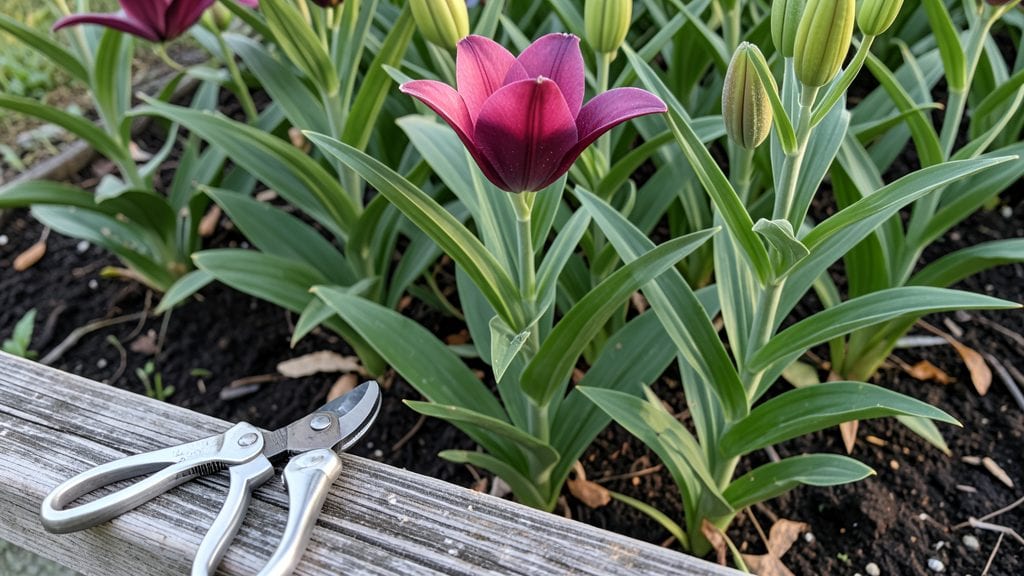
Pruning lily plants after they finish blooming is the secret to next year’s showstopping flowers. 🌸 I’ve been growing lilies for years, and the difference between a healthy, blooming plant and a struggling one comes down to timing and technique.
Most gardeners wait too long—by then, the plant’s energy is already spent.
The right tools and a sharp eye make this job simple. Grab a pair of clean pruners, some garden gloves, and a bucket for clippings. You’ll focus on three things: removing spent blooms, cutting back dead foliage, and leaving the bulb’s energy reserves intact.
Asiatic lilies need a slightly different approach than Oriental or daylilies, but the core principle stays the same—encourage growth, not decay.
After pruning, your lilies will reward you with stronger stems and more abundant blooms next season. The foliage stays lush, the roots store energy, and you avoid the common mistake of over-pruning, which weakens the plant.
This method works for both garden beds and container-grown lilies, so you can apply it no matter where you’re growing.
Fair warning: the first time you prune, you might hesitate—what if you cut too much? Trust the process. By late fall, you’ll see the difference in your plants’ health, and your neighbors will ask for your secret. Let’s get those blooms back on track!
📚 In This Guide
- What you need
- Instructions
- Tips and common mistakes
- Wrapping up and next steps
What you need
- ● Pruning shears or bypass pruners: Choose sharp, clean tools with 4- to 6-inch blades for precision cuts. Disinfect with rubbing alcohol before and after use to prevent disease spread. 💡 Pro tip: Avoid dull tools—they crush stems instead of cutting cleanly!
- ● Garden gloves: Opt for nitrile-coated or heavy-duty leather gloves to protect against thorns and sap. ✨ Bonus: Bring a small first-aid kit for minor scrapes!
- ● Disinfectant solution: Mix 1 part bleach to 9 parts water (or use a 70% isopropyl alcohol spray) to sterilize tools between cuts.
- ● Garden twine or plant ties: A 10-15 foot roll of 3mm-wide twine to secure stems if staking is needed post-pruning.
- ● Compost bin or trash bag: A 13-gallon bin or heavy-duty bag for disposing of pruned foliage (avoid composting diseased leaves).
- ● Hand pruners: For smaller stems or tight spaces (e.g., Felco F-2 model).
- ● Lopper: A 24-inch long-handled lopper for reaching tall lilies without straining.
- ● Plant marker or labels: Waterproof tags to mark pruned areas if tracking growth stages.
- ● Fertilizer (balanced 10-10-10): 1 lb of granular fertilizer to replenish nutrients after pruning.
- ● Mulch (straw or shredded bark): 2-3 inches to protect roots and retain moisture post-pruning.
- ● Weather check: Prune on a dry, overcast day or early morning to minimize stress on plants.
- ● Tool sharpening: Ensure blades are razor-sharp—dull tools cause jagged cuts that invite pests.
- ● Safety gear: Sunglasses and a wide-brimmed hat if working in direct sunlight for extended periods.
- ● Plant health assessment: Inspect lilies for diseases (e.g., botrytis) or pests before pruning—treat first if needed.
Instructions for pruning lily plants to maximize blooms
Here's how to prune lilies like a pro—timing and technique make all the difference.
✂️ Step 1: Remove Faded Blooms and Seed Pods
As soon as your lilies finish blooming, cut back the spent flower stalks right at the base using clean, sharp pruners. This prevents the plant from wasting energy on seed production, which would otherwise drain resources from next year's growth. I always prune in the morning when stems are firm and moisture levels are high—this reduces stress on the plant.
Look for blooms that have fully opened and are starting to wilt. If you leave seed pods to develop, they'll suck energy from the bulb, weakening future blooms. Cut just above a leaf node or side shoot if one exists—this encourages new growth from that spot.
✂️ Step 2: Thin Overcrowded Foliage After Blooming
About 6 weeks after flowering, when foliage begins to yellow naturally, it's time to assess leaf density. Lilies need good airflow, so remove any leaves that are yellowing or diseased by cutting them at the base. I focus on the oldest leaves first—they're the ones that no longer contribute to photosynthesis.
Don't remove more than 30% of the foliage at once. You want to leave enough green leaves to keep feeding the bulb for 6-8 weeks after blooming. This stored energy determines next year's flower size and quantity. If you cut back too aggressively, you'll starve the bulb.
✂️ Step 3: Cut Back Foliage in Late Fall
When foliage turns completely brown and crispy in late fall—usually around October or November**—it's time for the final pruning. Cut back all dead leaves to 1 inch above the ground. This makes cleanup easier and prevents disease from overwintering in old foliage.
I never remove foliage too early—wait until it's fully brown and brittle. Green leaves still photosynthesize even in cool weather, so cutting them too soon robs the bulb of its winter food supply. Mark your calendar for 2-3 weeks after the first hard frost as your target time.
✂️ Step 4: Prune Damaged or Weak Growth Year-Round
Throughout the growing season, keep an eye out for any stems that are weak, diseased, or growing in odd directions. Remove these immediately with clean pruners. I always disinfect my tools with rubbing alcohol between cuts to prevent spreading fungal spores.
Look for signs like black spots, soft rot, or stems that flop over unnaturally. These are clear signals to prune. Healthy lilies grow upright with sturdy stems—anything deviating from this needs attention. Prune on a dry day when the plant isn't stressed from heat or drought.
⏰ Step 5: Schedule Spring Cleanup for New Growth
In early spring, just as new shoots emerge from the ground, do a final cleanup pass. Remove any remaining dead foliage or debris from last season. This gives your lilies room to breathe and prevents pests from hiding in old plant matter.
I like to do this when the soil is workable but before the first flush of new growth gets too tall. This timing ensures you're not disturbing any emerging shoots while still clearing away winter's mess. A quick inspection now helps identify any winter damage early, giving you time to address it before the growing season really kicks off.
Tips & tricks for pruning lily plants
Timing is everything when it comes to pruning lilies—get these details right and you'll see bigger, healthier blooms next season.
Timing Secret: In Step 1, don't wait until blooms are completely wilted to prune. Look for petals that have fully opened but are starting to droop slightly—this is the perfect moment to cut. I've learned the hard way that waiting too long means the plant has already started diverting energy to seed production, which weakens the bulb. Morning is ideal because stems are firm and full of moisture, making cuts cleaner and reducing plant stress.
Leaf Management Strategy: When you're thinning foliage in Step 2, focus on removing the oldest leaves first—they're the ones that no longer contribute to photosynthesis. I like to work in small batches, removing no more than 10-15 leaves at a time to avoid shocking the plant. Remember, you're aiming to maintain that 30% threshold while leaving enough green leaves to feed the bulb for those critical 6-8 weeks after blooming.
Late Season Pruning: For Step 3, the "fully brown and crispy" rule is non-negotiable. I've made the mistake of cutting back too early, and my lilies suffered the next spring. Use a pair of gloves when handling dead foliage—it's often a magnet for fungal spores. And here's a pro tip: after cutting back, I like to sprinkle a light layer of compost around the base to replenish nutrients the plant lost during the growing season.
Year-Round Maintenance: In Step 4, when you're dealing with damaged growth, always disinfect your pruners between cuts. I keep a small bottle of rubbing alcohol in my gardening toolkit specifically for this purpose. The key is to remove problematic stems as soon as you notice them—don't wait until they've spread to healthy parts of the plant. I've found that pruning on dry days also helps prevent fungal infections from taking hold in fresh cuts.
Pro Tips for Pruning Lily Plants
- Timing is everything when it comes to pruning lilies—get these details right and you'll see bigger, healthier blooms next season.
- Timing Secret: In Step 1, don't wait until blooms are completely wilted to prune.
- Leaf Management Strategy: When you're thinning foliage in Step 2, focus on removing the oldest leaves first—they're the ones that no longer contribute to photosynthesis.
Frequently asked questions
Got questions about pruning lilies?
Here are answers to the most common ones to help you prune like a pro!
When is the best time to prune lily plants?
Prune lilies after they finish blooming (late summer to early fall) to redirect energy toward next year’s growth. For deadheading, remove spent blooms immediately to prevent seed pods. Avoid pruning in spring—this can stunt new shoots. Pro tip: Wait until foliage yellows naturally before cutting back.
How do I know if I’ve pruned too late?
If you prune after the foliage turns yellow (usually late fall), you risk weakening the plant’s ability to store nutrients for winter. Signs of over-late pruning: Stunted growth, fewer blooms next season, or wilted leaves. Fix: Leave foliage until it dies back naturally, then trim at ground level.
Should I cut lilies all the way to the ground?
No! Only cut back dead or brown foliage—never trim healthy green leaves, as they photosynthesize and feed the bulb. Do this: Snip stems 1-2 inches above the ground after they’ve fully browned. Never remove all leaves; leave at least ⅓ for nutrient storage.
What if my lilies don’t bloom after pruning?
Missing blooms often mean over-pruning or poor soil/nutrients. Check these fixes:
- Fertilize in early spring with bulb-specific food (high in phosphorus).
- Ensure 6+ hours of sun—shady spots reduce blooms.
- Avoid pruning in spring; wait until after flowering.
If the problem persists, your lilies may need division (every 3-5 years).
Can I prune lilies differently if they’re in containers?
Container lilies follow the same rules, but watch for root-bound stress. Prune dead stems as usual, but repot every 2-3 years to refresh soil. Key tip: Use well-draining mix and trim roots if they’re circling. Never prune container lilies shorter than 6 inches tall—this can stress the bulb.
Wrapping up and next steps
Pruning your lily plants doesn’t have to be intimidating—it’s all about timing, technique, and a little patience! 🌸 By following the right steps, you’ll encourage healthier stems, more vibrant blooms, and a thriving garden.
Whether you’re trimming spent flowers, cutting back foliage, or removing damaged growth, each snip brings your lilies one step closer to their full potential.
Now that you’re armed with the know-how, go ahead and give your lilies the care they deserve. Grab your pruners, step outside, and watch your garden transform! For even more gardening tips, check out our guide on seasonal lily care to keep those blooms coming year after year.