
Pruning
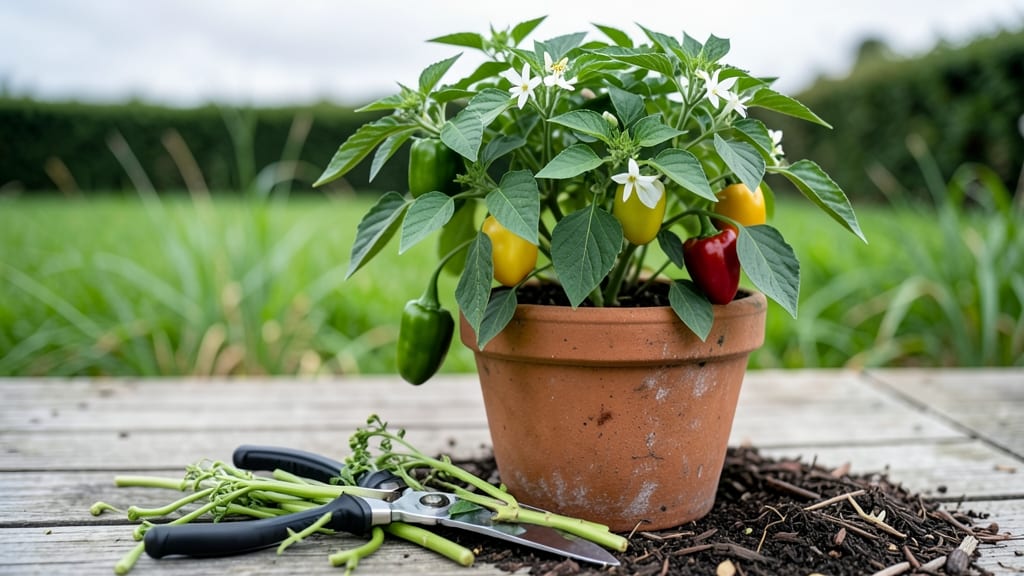
Trimming green pepper plants is the secret weapon behind my year-round harvests—it’s what turns scraggly bushes into productive, bushier powerhouses that keep producing long after most gardens give up.
I used to think peppers just grew however they wanted, but after one season of strategic cuts, my plants went from a handful of peppers to pounds of them by late fall.
The key is timing: you’ll want to start when plants are about 12 inches tall, then keep an eye out for those little leaf clusters where new growth can sprout.
You don’t need fancy tools—just a clean pair of sharp pruning shears or even your fingers for pinching. The goal is to remove the top sets of leaves (those tiny leaf clusters) to encourage branching, which means more stems and more fruit.
Think of it like training a vine to spread out instead of growing tall and leggy. I also cut out any yellowing or damaged leaves to keep airflow moving, which cuts down on diseases that can ruin a harvest before it starts.
What you’ll end up with is a pepper plant that looks like a bushy, well-behaved shrub instead of a skinny stalk. The fruit gets bigger and sweeter, the plant stays healthier, and you’ll keep getting peppers well into cooler months.
The first time I saw my trimmed plants still producing in November, I knew I’d never go back to the old way. Here’s exactly how to do it without overdoing it or stressing the plant.
This method works for both bush and vine varieties, though vines might need a little extra support like stakes or cages once they get bushier. And don’t worry—even if you’ve never pruned before, peppers are forgiving.
The worst that can happen is you trim a little too much, and they’ll bounce back faster than you’d expect. Let’s get those shears ready!
📚 In This Guide
- What you need
- Instructions
- Tips and common mistakes
- Wrapping up and next steps
What you need
- ● Pruning shears or bypass pruners: Sharp, clean, and sterilized (70% isopropyl alcohol works great). Choose a pair with ergonomic handles for comfort during long sessions. Quantity: 1 pair.
- ● Garden gloves: Heavy-duty, nitrile-coated gloves (size medium or large) to protect against thorns and bacteria. Quantity: 1 pair.
- ● Disinfectant solution: 1 part bleach (unscented) to 9 parts water, or a hydrogen peroxide (3%) spray. Quantity: Small spray bottle or container.
- ● Compost bin or bag: For collecting pruned plant debris. Quantity: 1 (or reusable bag).
- ● Sharp knife or scissors: As a backup for small trims (e.g., X-Acto knife or craft scissors). Quantity: 1.
- ○ Watering can or hose: With a gentle spray nozzle for post-pruning hydration. Optional but recommended.
- ● Plant growth regulator: Such as seaweed extract or kelp meal to encourage bushier growth after pruning. Quantity: Small bottle.
- ● Plant tie or twine: For supporting branches if your pepper plant is top-heavy after trimming. Quantity: 1-2 rolls.
- ● Permanent marker: To label pruning cuts if you’re experimenting with training techniques (e.g., marking nodes).
- ● Sun hat and sunscreen: For those long, sunny gardening days! 😎
Step-by-Step instructions for trimming green pepper plants
Here's the method I use to keep my pepper plants productive and healthy all season.
Identify and Remove Suckers
Suckers are the small shoots that grow in the crotch between the main stem and a branch. These are the first things to trim because they drain energy from fruit production. Use clean, sharp pruning shears to snip them off at the base—never tear them, as this can damage the plant. I check for suckers every 7-10 days during the growing season, especially after heavy watering or rain, when new growth often appears.
Look for the tiny, leafy shoots that form where the main stem meets a branch. If left unchecked, these will grow into large, unproductive stems. The goal is to keep the plant focused on producing peppers, not extra foliage. Trim suckers early in the morning when the plant is turgid and less stressed.
Prune Lower Leaves for Airflow
Remove any leaves that touch the soil or grow below the first 6 inches of the plant. These leaves trap moisture and can lead to fungal diseases like early blight. Use your fingers or pruners to gently pull or cut them off. I start this process when the plant reaches about 12 inches tall and continue as it grows. This step is critical for preventing rot and keeping the plant healthy.
Focus on the lower third of the plant first, then work your way up as the plant matures. You’ll notice the stems become cleaner and the plant’s center stays drier. This airflow also helps peppers ripen faster and reduces the risk of pests hiding in dense foliage. Avoid over-pruning—leave enough leaves to keep the plant photosynthesizing efficiently.
Thin Overcrowded Branches
If your pepper plant has more than 3-4 main branches, thin them out to improve fruit production. Choose the strongest, healthiest branches and remove the weaker ones at their base. This ensures the plant isn’t spreading its energy too thin. I usually do this when the plant is 18-24 inches tall and has established a few primary branches. Thin branches prevent shading and help peppers get more sunlight.
Look for branches that are growing inward or crossing over others—these compete for light and space. Trim them back to a healthy bud or leaf node. You’ll see the plant’s structure become more open, which makes harvesting easier and reduces the risk of disease. Avoid cutting into the main stem unless absolutely necessary, as this can stress the plant.
Harvest and Prune Mature Peppers
When peppers reach their mature size—usually 3-6 inches long, depending on the variety—harvest them to encourage more production. Use pruners to cut the stem just above the fruit, leaving a small stub. I harvest every 2-3 days during peak production to keep the plant focused on new growth. After harvesting, check the surrounding branches for any overcrowded or diseased foliage and trim it away.
Pruning mature peppers also helps the plant redirect energy to new flowers and fruit. If you notice any yellowing or spotted leaves, remove them immediately to prevent disease spread. This step keeps the plant productive and healthy, ensuring a steady harvest throughout the season. Always use clean tools to avoid introducing pathogens.
Prepare for Winter or Dormancy
As temperatures drop below 50°F in fall, reduce pruning to only remove dead or diseased leaves. Stop trimming suckers entirely, as the plant will slow down its growth. I focus on keeping the plant clean and removing anything that looks unhealthy. This helps the plant conserve energy for next season. If you’re growing in a container, move it to a sheltered spot or indoors if frost is expected.
In warmer climates, you can continue light pruning to maintain shape and remove damaged leaves. The key is to avoid heavy trimming, which can stress the plant. Mulch around the base with 2-3 inches of organic material to protect roots. This step ensures your pepper plants stay healthy and ready to bounce back in spring.
Tips & tricks for perfect green pepper plant trimming
These practical tips will help you maximize your pepper plant's productivity while keeping it healthy throughout the growing season.
Timing is Everything: In Step 1, when you're removing suckers every 7-10 days, I've found that mornings are the best time. The plant's natural turgidity makes the suckers easier to spot and remove cleanly. Also, focus on removing suckers that are larger than a pencil—smaller ones won't drain enough energy to worry about yet. This consistent schedule prevents those tiny shoots from becoming unproductive stems that steal resources from your pepper production.
Pruning Strategy: When you reach Step 2 and start pruning lower leaves, remember that the goal is to create an open structure. I recommend removing about one-third of the lower leaves initially, then gradually work your way up as the plant grows. This gradual approach prevents shock while still improving airflow. For container plants, be especially vigilant about removing leaves that touch the soil—they're the first to develop fungal issues.
Branch Selection: In Step 3, when thinning branches, focus on creating an open canopy rather than just reducing the number of branches. Look for branches that grow outward and upward—these will get the most sunlight. I've noticed that plants with 3-4 well-placed branches actually produce more fruit than those with 5-6 crowded branches. Always make cuts just above a leaf node or bud to encourage new growth in the right direction.
Seasonal Adjustments: The temperature threshold of 50°F in Step 5 is crucial for winter prep. In my experience, pepper plants actually benefit from a light pruning even in winter if you're in a mild climate. Just remove any dead or yellowing leaves—this keeps the plant clean without stressing it. For container plants, moving them to a sheltered spot before temperatures drop below 50°F can extend your growing season by several weeks.
Pro Tips for Trim Green Pepper Plants
- These practical tips will help you maximize your pepper plant's productivity while keeping it healthy throughout the growing season.
- Timing is Everything: In Step 1, when you're removing suckers every 7-10 days, I've found that mornings are the best time.
- Pruning Strategy: When you reach Step 2 and start pruning lower leaves, remember that the goal is to create an open structure.
Frequently asked questions
When is the best time to trim green pepper plants?
The ideal time to trim green pepper plants is early morning on a dry, sunny day. This allows wounds to heal quickly and reduces the risk of disease. Avoid trimming after rain or late in the day, as excess moisture can promote fungal growth. Prune throughout the growing season—spring, summer, and early fall—to encourage continuous bushy growth.
How much should I trim off at once?
Never remove more than one-third of the plant’s foliage at a time. For example, if your pepper plant has 12 leaves, trim just 4. Over-pruning stresses the plant and can reduce fruit production. Focus on selective trimming—remove only yellowing, damaged, or overcrowded leaves/stems to maintain balance.
Will trimming green pepper plants increase yield?
Yes! Proper trimming boosts yield by improving airflow, reducing pests/diseases, and directing energy to fruit production. However, over-trimming can backfire—always leave enough leaves to photosynthesize. Aim for a balanced approach: trim to open the canopy but keep 60-70% of the foliage intact.
Can I trim green pepper plants in winter?
If your peppers are perennial in your climate (zones 9-11), light trimming in late winter (before new growth starts) can remove dead/damaged stems. In colder zones, wait until spring—winter trimming can stress the plant. Focus on minimal cleanup rather than aggressive pruning.
What if my pepper plant looks sad after trimming?
Don’t panic! A "sad" look is normal for a few days as the plant recovers. Revive it with:
- Water deeply but avoid soggy soil.
- Fertilize lightly with a balanced 10-10-10 or compost tea.
- Place in bright, indirect light (if indoors).
Wrapping up and next steps
Trimming your green pepper plants isn’t just about keeping them tidy—it’s the secret to a bountiful, year-round harvest! 🌱 By removing suckers, pruning dead leaves, and pinching back overgrowth, you encourage bushier plants that produce more peppers with less stress.
With the right tools, timing, and techniques, you’ll enjoy healthier plants and fresher peppers all season long.
Now that you’re armed with the know-how, grab those shears and get pruning! Start small, stay consistent, and watch your garden thrive. Ready for even more tips? Check out our full pepper care guide to master every step of the growing process.