
Pruning
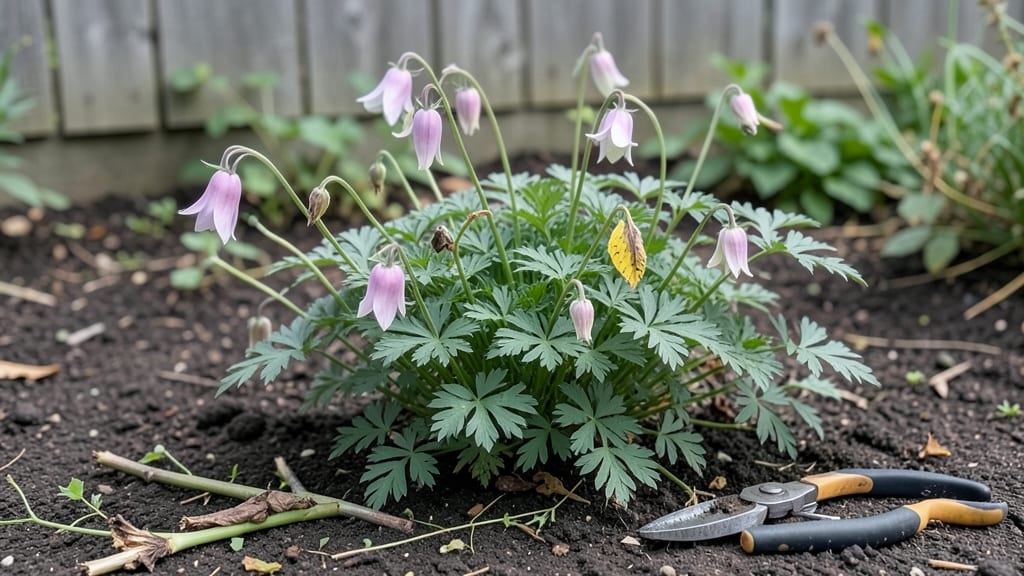
Pruning columbine plants keeps them blooming like clockwork all season long. 🌿 I learned the hard way—skipping deadheading means fewer flowers and leggy stems by summer’s end. The secret is timing and a sharp pair of shears.
You’ll need just a few tools: clean pruners, gloves, and a sunny morning. Cut back spent blooms right above the first set of leaves after they fade, but never trim more than a third of the plant at once. This encourages fresh growth without stressing the roots.
By midseason, you’ll see new buds forming where you made those cuts, and the plant will stay compact. The result? A bushier, more vibrant columbine that blooms from spring until frost—with minimal effort. Just avoid heavy pruning in fall.
Works for all varieties, from classic reds to delicate whites. The key is consistency: a little maintenance now means a showstopper garden all summer. Ready to transform your columbine into a blooming machine?
📚 In This Guide
- What you need
- Instructions
- Tips and common mistakes
- Wrapping up and next steps
What you need
- ● Pruning shears: Bypass pruners (sharp, clean, and 4- to 6-inch blades for precision cuts). Avoid anvil pruners—they can crush stems.
- ● Garden gloves: A pair of cut-resistant gloves (e.g., nitrile-coated) to protect your hands from thorns and dirt.
- ● Disinfectant: 70% isopropyl alcohol or a 10% bleach solution (1 part bleach to 9 parts water) to sterilize tools between cuts.
- ● Trash bag or bucket: For collecting spent blooms, debris, and clippings.
- ● Watering can or hose: To hydrate plants before and after pruning.
- ○ Notebook & pen: (Optional but helpful!) To jot down notes on plant health or pruning patterns.
- ● Hand lens or magnifying glass: For inspecting stems or spotting pests up close.
- ● Mulch: Shredded bark or compost (1–2 inches) to protect roots post-pruning.
- ● Plant food: A balanced fertilizer (e.g., 10-10-10) to give your columbine a post-pruning boost.
- ● Knee pads: If you’re working on the ground for extended periods.
Step-by-Step instructions for pruning columbine plants
Here’s how I keep my columbines blooming like clockwork—no over-trimming, no guesswork.
✂️ Step 1: Wait Until After the First Major Bloom Cycle
Columbines thrive when you let them set their first flush of flowers. Wait until after the main spring blooms have faded—usually 6-8 weeks after flowering begins. This gives the plant energy to establish roots and store nutrients for next year’s growth.
I know it’s tempting to snip spent blooms early, but columbines reward patience. The seed pods that form after blooms contain next year’s genetic material, so cutting too soon weakens the plant. Watch for brown, papery petals as your cue—this means the flower is truly done.
✂️ Step 2: Deadhead Spent Blooms at the Base
Use clean, sharp pruners to snip the entire spent bloom stem just above a set of healthy leaves. Avoid cutting into leaf tissue—this invites disease. I like to make my cuts at a 45-degree angle to help water run off and prevent rot.
Don’t worry about being perfect here. Even if you leave a tiny stub, the plant will regrow. The key is removing the entire faded bloom cluster down to the leaf node. This redirects the plant’s energy toward new growth instead of seed production.
✂️ Step 3: Thin Overcrowded Stems in Late Summer
After the first deadheading, columbines often produce a second wave of blooms. In late summer, check for stems that are thin, leggy, or shaded out by others. These are the ones to remove entirely at the base.
I aim to leave 3-5 of the strongest, healthiest stems per plant. Overcrowding leads to weak blooms and attracts pests. If you see stems leaning dramatically toward the light, they’re competing for resources—prune them to encourage stronger central growth.
✂️ Step 4: Lightly Trim Leggy Growth Before Winter
About 6 weeks before your first frost, give your columbines a final check. Look for stems that have grown over 12 inches tall with no new buds. These can be cut back by half their height to prevent them from flopping in winter winds.
Never cut into old, woody stems—columbines are herbaceous perennials and regrow from the base each spring. A light trim now keeps the plant tidy and prevents disease buildup in dense foliage. I always clean my pruners with rubbing alcohol between cuts to keep them sterile.
🌱 Step 5: Clean Up Debris to Prevent Disease
After pruning, remove all spent flower heads, dead leaves, and debris from the base of the plant. This isn’t just about looks—decaying plant matter is a magnet for fungal diseases like powdery mildew, which can ruin next year’s blooms.
I like to rake up debris and compost it, but only if it’s completely dry. Wet debris can harbor pathogens. A final sweep with a handheld leaf blower makes this job quick and thorough. Your goal is a clean, airy base where new growth can emerge unobstructed in spring.
Tips & tricks for pruning columbine plants
Here's what I've learned after years of keeping my columbines thriving—these small details make all the difference.
Timing is Everything: The 6-8 week wait after the first bloom cycle in Step 1 is crucial. I've seen gardeners rush this and end up with weak plants that never rebound. Mark your calendar when those first flowers appear—columbines need this full time to store energy for next season. If you're in a cooler climate, extend to 10 weeks to be safe.
Tool Prep Matters: Before you start pruning, sterilize your pruners with rubbing alcohol between cuts (as mentioned in Step 4). I keep a small bottle of 70% isopropyl alcohol in my gardening caddy. This prevents spreading diseases between plants—something I learned the hard way after losing half my columbines to mildew one season.
Visual Cues for Pruning: When deadheading in Step 2, look for those brown, papery petals as your clear signal. I've made the mistake of cutting too early when flowers were just wilting, and it weakened my plants. The seed pods forming after blooms are actually good—they contain next year's genetic material, so don't remove them until they're completely brown and dry.
Seasonal Maintenance Strategy: In Step 3, when thinning overcrowded stems, I like to do this on a dry morning when the plants are fully hydrated. This makes it easier to identify healthy stems—they'll be firm and upright. For the winter trim in Step 4, I wait until after the first hard frost to see which stems survived naturally, then only trim what's absolutely necessary to keep the plant tidy.
Pro Tips for Prune Columbine Plants
- Here's what I've learned after years of keeping my columbines thriving—these small details make all the difference.
- Timing is Everything: The 6-8 week wait after the first bloom cycle in Step 1 is crucial.
- Tool Prep Matters: Before you start pruning, sterilize your pruners with rubbing alcohol between cuts (as mentioned in Step 4).
Frequently asked questions
Got questions about pruning your columbine plants? You’re not alone! Here are answers to the most common concerns—so you can keep those delicate blooms thriving all season.
When is the best time to prune columbine plants?
Prune columbines after they finish blooming in spring or summer, or in early fall before new growth slows. Avoid pruning in late fall or winter, as the plant’s dormant period is crucial for next year’s blooms. Deadheading spent flowers regularly encourages more blooms!
Do I need special tools to prune columbine?
Nope! A pair of clean, sharp hand pruners or even your fingers work great for deadheading. For heavier pruning (like cutting back leggy stems), bypass pruners make the job easier. Just sterilize your tools with rubbing alcohol to prevent disease.
What if I prune too much? Will my columbine die?
Columbines are tough! While you shouldn’t shear them like a hedge, cutting back 1/3 of the plant won’t harm it. Over-pruning might reduce blooms next year, but the plant will recover. Focus on removing dead or diseased stems first—always leave healthy foliage.
Can I prune columbine in the fall for winter prep?
Light pruning in early fall (before hard frosts) is fine—remove spent blooms and tidy up, but avoid heavy cuts. Columbines store energy in their roots, so late-season pruning can stress the plant. Wait until spring to shape if needed.
Why do my columbine stems keep flopping over?
Leggy stems happen when columbines get too much shade or rich soil. To fix it: Prune back 1/3 of the plant in early spring, and stake tall stems with decorative garden stakes. For future blooms, plant in partial sun and avoid over-fertilizing.
Wrapping up and next steps
Pruning columbine plants is your secret weapon for longer, healthier blooms—and it’s easier than you think! 🌸 By deadheading spent flowers and trimming leggy stems, you’ll encourage vibrant regrowth and keep your garden thriving. Remember: timing and gentle hands are key!
Now that you’re armed with the know-how, grab those pruners and give your columbines some love. Ready for more gardening wins? Check out our guide on fertilizing for even more stunning blooms!