Pruning
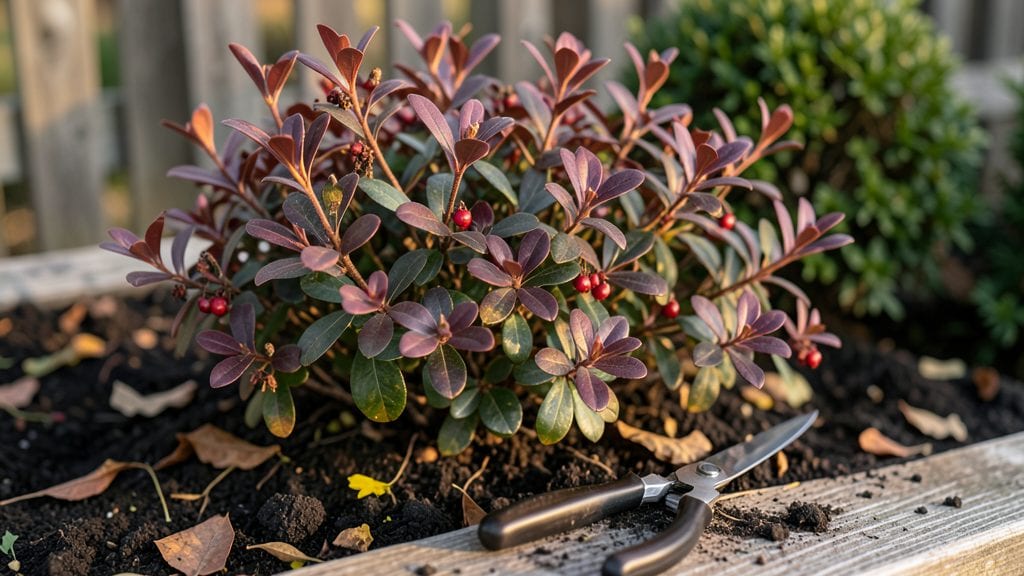
Pruning barberry plants transforms them from scraggly shrubs into dense, berry-laden powerhouses—if you time it right. 🌿 I’ve pruned mine for years, and the difference between a wild tangle and a showstopper comes down to three strategic cuts spread across the seasons.
The key isn’t just cutting branches; it’s understanding how barberries grow and when they need a little help to shine.
You’ll need just three tools: sharp pruning shears, gloves (those thorns aren’t kidding), and a small saw for thicker stems. The real magic happens in late winter, early summer, and fall—each cut serves a purpose.
Late winter cleans up dead wood, summer shapes for airflow, and fall preps for next year’s berries. Most gardeners skip one of these, and that’s when plants get leggy or stop fruiting.
After pruning, you’ll see new growth within weeks—thicker stems, brighter foliage, and more berries than you’ve ever had. The plant breathes easier, resists disease better, and puts energy into what matters: those glossy red berries and lush green leaves.
It’s not just about looks; it’s about keeping your barberry thriving for decades.
Works for both dwarf varieties in containers and sprawling shrubs in the landscape. Here’s how to do it without turning your barberry into a sad, bare stick—just follow the seasonal rhythm, and you’ll have a plant that’s the envy of the neighborhood.
📚 In This Guide
- What you need
- Instructions
- Tips and common mistakes
- Wrapping up and next steps
What you need
- ● Pruning shears: Bypass pruners (sharp, clean, and 5-7 inches long) for smaller branches.
- ● Loppers: Medium-sized (18-24 inches) for thicker stems (½ inch or larger).
- ● Pruning saw: Hand saw with a curved blade for stubborn, woody branches.
- ● Gloves: Garden gloves (heavy-duty) to protect from thorns and sap.
- ● Disinfectant: Rubbing alcohol (70%+) or bleach solution (1:9 bleach-water) to sterilize tools.
- ● Trash bags: Heavy-duty (2-3) for collecting pruned debris.
- ○ Sharpie or marker: Permanent marker for labeling cuts (optional but helpful).
- ● Hose or bucket: For rinsing tools and cleaning sap off hands.
- ● Pruning sealant: Wound dressing (for large cuts, though barberries heal well without it).
- ● Ladder or step stool: If your barberry is tall (6+ feet).
- ● Notebook & pen: To jot down pruning notes or track growth patterns.
How to prune barberry for year-round growth
Keep your barberry looking sharp and productive with just three seasonal cuts.
✂️ Step 1: Early Spring Cleanup (Late February to March)
Start by removing any dead, damaged, or diseased branches first—these are easy to spot as they'll be brown, brittle, or covered in spots. Cut them back to the base of the plant using clean, sharp pruners. I always disinfect my tools with rubbing alcohol between cuts to prevent spreading any potential infections.
Next, look for any crossing or rubbing branches. These create wounds that can invite pests and disease. Simply trim one of the branches back to where it no longer touches its neighbor. Barberries are tough, but they appreciate this kind of attention to prevent long-term stress.
Finally, shape the plant lightly by trimming back any overgrown branches by about one-third. This encourages new growth and keeps the plant's natural form. Wait until after the last frost before doing this—new growth is sensitive to cold.
✂️ Step 2: Mid-Summer Maintenance (June to July)
This is the time to keep your barberry tidy and encourage dense growth. Look for any branches that are growing too long or leggy—they'll often have fewer berries and weaker stems. Trim these back by about one-half to encourage bushier growth.
Pay special attention to any suckers or water shoots that appear at the base of the plant. These are fast-growing, weak stems that drain energy from the main plant. Cut them off at the base immediately—they won't come back, but they'll rob your barberry of nutrients if left unchecked.
You'll also notice new growth starting at the tips of branches. This is your cue to pinch back the very tips of these shoots by about 1/4 inch. It sounds small, but this simple step promotes a fuller, more compact plant with more berries next season.
✂️ Step 3: Late Fall or Early Winter Reset (November to January)
Once the growing season winds down, it's time for a final pruning to prepare your barberry for winter. Start by removing any dead or weak branches that may have developed over the past year. These are easy to identify—they'll be thin, pale, or bare.
Next, thin out the center of the plant to improve airflow. Barberries can get quite dense, and poor circulation leads to fungal issues. Cut back about one-third of the oldest branches to the ground, making sure to leave some younger stems to carry the plant into the next growing season.
Finally, give your barberry a light shaping trim to remove any branches that are growing in odd directions or spoiling the plant's natural form. This is also a great time to clean up any fallen leaves or debris around the base—it reduces overwintering pests and diseases.
⏰ Step 4: Year-Round Monitoring and Adjustments
Barberries are low-maintenance, but keeping an eye on them throughout the year ensures they stay healthy. After each pruning, step back and admire your work—you should see an open, airy structure with plenty of room for new growth.
If you notice any branches dying back unexpectedly, don't wait for the next scheduled pruning. Cut them out immediately to prevent the issue from spreading. Barberries are resilient, but they do best when you address problems as soon as you spot them.
Finally, remember that pruning is a gradual process. You don't need to do everything in one season. Over time, your barberry will reward you with a strong structure, abundant berries, and a neat appearance that brightens up any landscape.
Tips & tricks for perfect barberry pruning
These simple strategies will help you maintain your barberry's health and beauty throughout the seasons.
Timing is Everything: In Step 1, when trimming back overgrown branches by one-third, wait until after the last frost to avoid damaging new growth. I've learned this the hard way—pruning too early can leave tender new shoots vulnerable to cold snaps. Check your local frost dates to schedule this step perfectly.
Tool Prep Matters: Before you begin pruning in any season, always disinfect your tools with rubbing alcohol between cuts. This simple step prevents spreading disease from infected branches to healthy parts of your plant. I keep a small bottle of alcohol in my gardening toolkit for quick cleanups between cuts.
Visual Cues for Healthy Pruning: During Step 2's mid-summer maintenance, look for branches that are thinner than a pencil or have fewer berries—they're the ones to trim by half. Healthy branches should be sturdy and covered in berries. This visual check helps you make quick decisions without over-pruning.
Year-Round Vigilance: In Step 4, when monitoring your barberry, pay special attention to the center of the plant. If you notice dense clusters with poor airflow, that's your cue to thin out some branches during your next scheduled pruning. Good airflow prevents fungal problems that can plague barberries in humid climates.
Pro Tips for Barberry Plant Pruning
- These simple strategies will help you maintain your barberry's health and beauty throughout the seasons.
- Timing is Everything: In Step 1, when trimming back overgrown branches by one-third, wait until after the last frost to avoid damaging new growth.
- Tool Prep Matters: Before you begin pruning in any season, always disinfect your tools with rubbing alcohol between cuts.
Frequently asked questions
Got questions about keeping your barberry plant looking its best? Here are some of the most common concerns—and their answers—to help you prune like a pro!
When is the best time to prune barberry plants?
Barberry plants thrive with three seasonal cuts: late winter (to shape and remove dead wood), early summer (to encourage bushiness), and fall (for light cleanup before dormancy). Avoid pruning in extreme heat or cold—aim for mild, dry days for the best results.
How often should I prune my barberry?
Regular pruning keeps barberries healthy, but don’t overdo it! Light trims 2-3 times per year (as outlined above) are ideal. Over-pruning can stress the plant, so focus on removing 1/3 of the growth max per season and avoid cutting into old wood unless necessary.
What do I do if I prune too much?
If you’ve trimmed back more than you intended, don’t panic! Barberries are resilient. Water deeply and apply a balanced fertilizer to help recovery. Avoid heavy pruning in the same spot again next year—give the plant time to regenerate. Yellowing leaves or sparse growth may signal over-pruning; adjust your approach for the next season.
Can I prune barberry for hedges or topiary shapes?
Barberries respond well to formal shaping. Use sharp pruners to create clean lines, and prune frequently (every 4-6 weeks) in the growing season to maintain hedges or topiary. For topiary, start with a strong central leader and gradually refine the structure. Pro tip: Wear gloves—barberries have thorns!
Should I remove berries before pruning?
Not necessarily! Barberries produce berries on new and old wood, so removing them isn’t required unless they’re overcrowding growth or attracting pests. If berries are a nuisance, simply clip them off during your regular pruning sessions. Just avoid pruning too late in the season—this can reduce next year’s fruit production.
Wrapping up and next steps
Pruning your barberry plant isn’t just about keeping it tidy—it’s the key to unlocking its full potential! By mastering the three seasonal cuts, you’ll encourage vibrant growth, better fruit production, and a stronger, healthier shrub year after year. 🌿✨
Now that you’re armed with the know-how, grab those pruners and get hands-on! Start with a quick assessment of your plant, then follow the seasonal steps with confidence. Your barberry will thank you with lush foliage and maybe even a bountiful harvest—happy pruning! 🌟