
Pruning
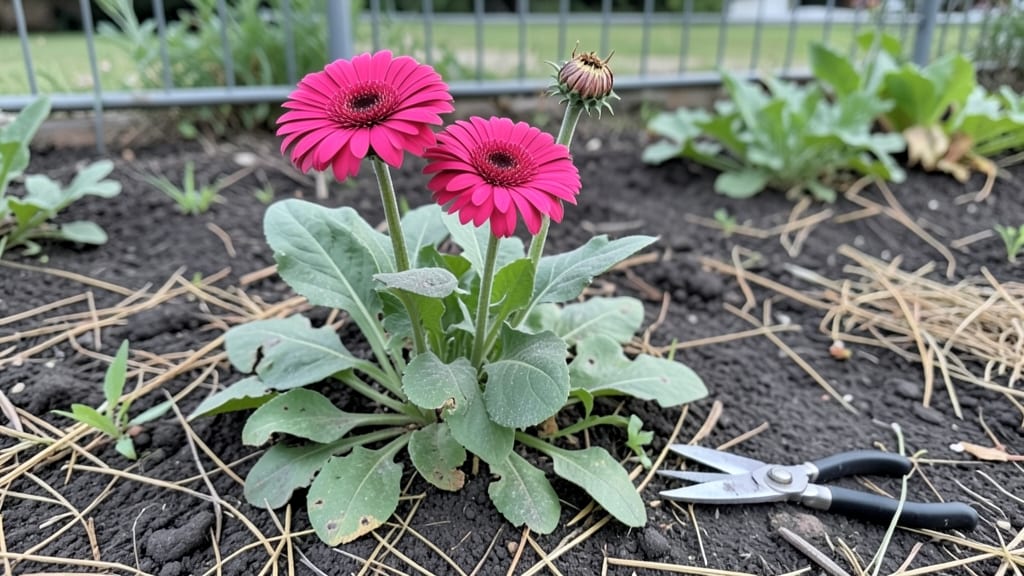
Pruning daisy plants transforms them from one-season wonders into year-round bloomers—and it’s simpler than you think. ✨ I’ve turned my Shasta daisies from a single summer burst of flowers into plants that keep blooming through fall by mastering just two techniques: strategic deadheading and seasonal shaping cuts.
The key isn’t trimming randomly but targeting the right spots to encourage new growth.
You’ll need basic tools: sharp pruners for clean cuts, gloves to avoid thorns (especially on Gerbera daisies), and a small rake for cleanup. Timing matters too—spring is for shaping, summer focuses on deadheading spent blooms, and fall preps plants for winter.
Most mistakes come from cutting too aggressively or at the wrong nodes, which stunts regrowth. I’ll show you exactly where to cut for maximum blooms.
By the end, your daisies will look fuller, bushier, and more vibrant than ever, with flowers appearing faster and lasting longer. The secret lies in understanding how each cut signals the plant to produce more stems and blooms.
Even if you’ve pruned wrong before, this method is forgiving—and you’ll see results in just a few weeks.
Works for Shasta daisies, Gerbera daisies, and other perennial varieties. Let’s get those blooms going strong all season!
📚 In This Guide
- What you need
- Instructions
- Tips and common mistakes
- Wrapping up and next steps
What you need
- ● Sharp pruning shears – Bypass pruners (4-6 inch blades) for clean cuts on stems.
- ● Gloves – Heavy-duty gardening gloves (nitrile or leather) to protect hands from thorns and debris.
- ● Disinfectant solution – 1 part rubbing alcohol + 9 parts water (or 10% bleach solution) to sterilize tools between cuts.
- ● Garden twine or rubber bands – For tying up leggy stems if needed.
- ● Garden waste bag – A sturdy bag (10-20 gallon) to collect pruned stems and debris.
- ○ Water spray bottle – Small (8-16 oz) for misting plants post-pruning (optional but helpful).
- ● Pruning saw – For thicker, woody stems (if your daisies are mature).
- ● Hand trowel – To dig around stubborn roots if you’re also dividing plants.
- ● Plant food or compost – A balanced fertilizer (10-10-10) or compost to nourish plants after pruning.
- ● Label markers – If you’re pruning multiple varieties and want to keep track.
How to prune daisy plants for continuous, healthy growth
Here's the straightforward method I use to keep my daisies blooming all season long.
✂️ Step 1: Identify and Remove Spent Blooms
Start by pinching off faded daisy flowers at the base of the bloom stem, just above the first set of leaves. This is called deadheading, and it tricks the plant into putting energy toward new flowers instead of seed production. I like to do this in the morning when the blooms are still crisp and easy to spot.
Look for flowers with brown centers or drooping petals—these are ready to go. Use clean, sharp pruners or even your fingers for small stems. The goal is to remove the entire spent bloom head without damaging the foliage below. You'll see fresh buds forming within a week or two of consistent deadheading.
✂️ Step 2: Trim Leggy or Overgrown Stems
After deadheading, check for stems that have grown too tall or leggy, especially if they're leaning or looking weak. Cut these back to about half their height using clean pruners. This encourages bushier growth and prevents the plant from becoming top-heavy, which can lead to flopping.
Make your cuts just above a set of leaves or a side branch. Avoid cutting into bare stems—you want to leave a leaf node so new growth can sprout. If a stem is completely woody or bare, remove it entirely at the base. This keeps the plant focused on healthy, productive growth.
✂️ Step 3: Shape the Plant for Balanced Growth
Step back and assess the overall shape of your daisy plant. If one side looks sparser or if the plant is growing unevenly toward the light, it's time to shape it up. Trim back any overly long or unruly stems to create a more rounded, balanced form.
Focus on cutting back stems that are growing outward or upward too aggressively. Aim for a natural, open shape that allows air to circulate freely. This prevents fungal diseases and encourages more blooms. You'll notice new side shoots forming within a few weeks—these are your plant's way of filling in the gaps.
⏰ Step 4: Seasonal Pruning for Year-Round Care
Daisies need a little extra attention at the start and end of the growing season. In early spring, cut back any dead or damaged stems to the ground. This clears out old growth and makes room for fresh, new shoots. In late fall or winter, trim back the entire plant by about one-third to prepare it for dormancy.
This seasonal pruning keeps your daisies healthy and ready to burst into bloom as soon as the weather warms up. Avoid heavy pruning in the middle of summer, as this can stress the plant when it's working hard to produce flowers. Instead, focus on deadheading and light shaping throughout the warm months.
🌿 Step 5: Maintain Clean Tools and Monitor Progress
After each pruning session, clean your pruners with rubbing alcohol to prevent the spread of disease. Sharp, clean tools make quicker cuts and reduce damage to the plant. Store them in a dry place until your next pruning session.
Keep an eye on your daisies after pruning. You should see new growth within 1-2 weeks, especially after deadheading. If you notice yellowing leaves or wilting stems, it might be a sign of over-pruning or disease. Adjust your approach as needed—daisies are resilient, but they do best with gentle, regular care.
Tips & tricks for perfect daisy pruning
A few simple tricks will help you keep your daisies blooming beautifully all season long.
Timing Tip: I always deadhead in the morning when blooms are still crisp. This gives the plant plenty of daylight to recover and encourages new buds to form. If you miss a day, don't stress—just focus on removing the most faded blooms first. The key is consistency rather than perfection.
Tool Technique: Using clean, sharp pruners makes all the difference. I keep a small bottle of rubbing alcohol handy to wipe down my tools between cuts. This prevents spreading disease and keeps your daisies healthier. For small stems, fingers work just fine—just be gentle to avoid damaging the foliage.
Growth Strategy: When trimming leggy stems in Step 2, look for the first set of leaves below the bloom. Cutting just above this node encourages new side shoots to form. This bushier growth leads to more flowers over time. Think of it as sculpting your plant—you're shaping it to be more productive.
Seasonal Wisdom: The one-third trim in late fall or winter might seem drastic, but it's actually preparing your daisies for next year's blooms. This light pruning removes old growth while leaving enough energy for new shoots to emerge when spring arrives. It's like giving your plants a fresh start.
Pro Tips for Prune A Daisy Plant
- A few simple tricks will help you keep your daisies blooming beautifully all season long.
- Timing Tip: I always deadhead in the morning when blooms are still crisp.
- Tool Technique: Using clean, sharp pruners makes all the difference.
Frequently asked questions
Got questions about pruning daisies? You’re not alone! Here are answers to the most common concerns—whether you're a first-time gardener or looking to refine your technique.
When is the best time to prune daisies?
Prune daisies after they bloom for the season (late summer to early fall for most varieties) or in early spring before new growth starts. Deadhead faded flowers throughout the growing season to encourage continuous blooms. Avoid pruning in extreme heat or cold—aim for mild, dry days.
Do I need special tools to prune daisies?
Nope! Clean, sharp hand pruners or scissors work perfectly for deadheading. For larger stems or overgrown plants, bypass pruners or shears are ideal. Disinfect tools with rubbing alcohol between cuts to prevent disease. A small bucket or bag for clippings keeps your workspace tidy.
What if my daisies stop blooming after pruning?
If blooms taper off, check for these issues:
- Over-pruning: Never trim more than 1/3 of the plant at once.
- Underwatering: Daisies need 1–1.5 inches of water weekly.
- Nutrient deficiency: Add a balanced fertilizer (10-10-10) in spring.
- Pests/disease: Inspect leaves for aphids or powdery mildew.
Can I prune daisies in winter?
For perennial daisies (like Shasta or Gerbera), prune lightly in late winter (Feb–March) to remove dead foliage. Avoid heavy cuts—wait until spring for a hard prune. Annual daisies (like African or Painted Daisy) die back in winter, so no pruning is needed until spring regrowth appears.
What’s the difference between deadheading and pruning?
Deadheading
= Removing only spent blooms to redirect energy to new flowers. Pruning = Trimming stems, leaves, or entire plant sections for shape, health, or size control. Do both! Deadhead weekly; prune seasonally (spring/fall).
My daisy leaves look yellow after pruning—what’s wrong?
Yellow leaves often signal over-pruning or stress. If only a few leaves yellow, it’s normal as the plant adjusts. For widespread yellowing:
- Check for root rot (soggy soil = too much water).
- Ensure 6+ hours of sunlight daily.
- Test soil pH (daisies prefer 6.0–7.0).
Wrapping up and next steps
Pruning your daisy plants doesn’t have to be intimidating—with the right tools and timing, you’ll unlock a bountiful display of blooms all year long! Remember to deadhead regularly, trim back leggy stems, and give your plants a seasonal haircut to encourage fresh growth.
Whether you’re a seasoned gardener or just starting out, these simple steps will keep your daisies thriving and looking their best.
Now that you’re armed with the know-how, grab those shears and get pruning! 🌼 Next, why not explore how to propagate your cuttings for even more daisies to enjoy? Happy gardening!