
Pruning
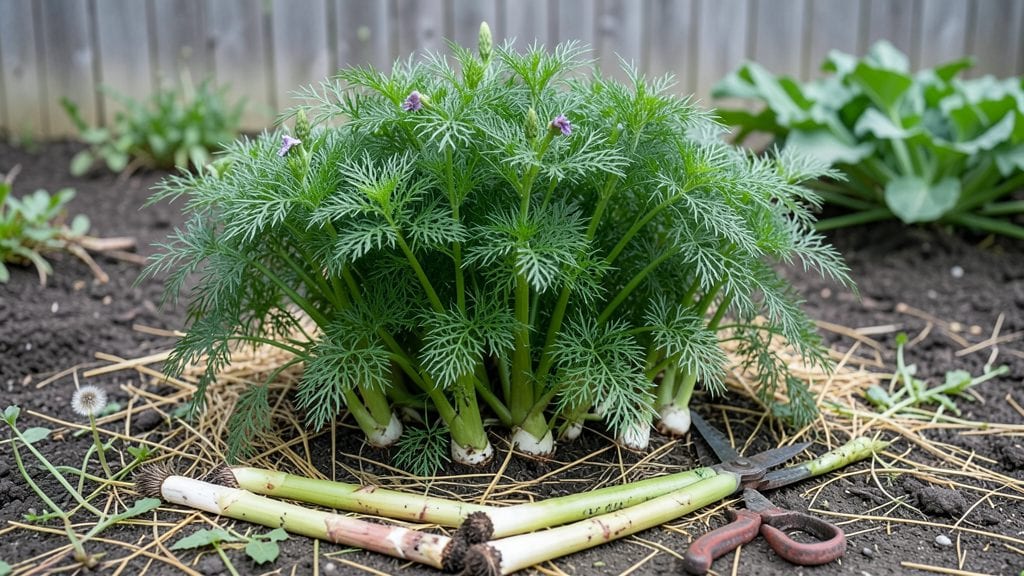
Trimming asparagus plants isn't just optional—it’s the secret to year-round harvests that outperform what most gardeners expect. 🌱 I’ve watched my own asparagus crowns go from struggling to producing dozens of spears simply by mastering three strategic cuts each season. The key? Timing matters more than technique.
Most people stop at cutting the spears, but the real magic happens with the ferns after harvest. Leave those feathery tops alone until late summer, when they’ve had time to photosynthesize and feed the roots.
Then, trim them back to 6 inches tall before the first frost—this protects the crown over winter. And yes, you do cut them down, but only after they’ve done their job.
By spring, you’ll see thicker, healthier spears emerging from crowns that were properly nurtured. The plants reward precision: too much trimming too soon, and you’ll starve the roots.
But get it right, and you’ll enjoy harvests that last 6-8 weeks—far longer than the typical 2-week window most gardeners settle for.
This method works for new and established plants alike, whether you’re growing in raised beds, in-ground, or even containers. The only tools you’ll need are sharp pruners and a little patience—no fancy equipment required. Let’s get those plants prepped for their next harvest cycle.
📚 In This Guide
- What you need
- Instructions
- Tips and common mistakes
- Wrapping up and next steps
What you need
- ● Pruning shears or sharp garden scissors: A pair with clean, sharp blades (avoid dull tools that crush stems). Recommended: Felco F-2 or similar bypass pruners.
- ● Gloves: Heavy-duty gardening gloves to protect your hands from thorns and rough stems.
- ● Watering can or hose: For post-trimming hydration (aim for 1-2 inches of water per week, especially after pruning).
- ● Compost or mulch: 2-3 inches of organic mulch (e.g., straw or shredded leaves) to retain moisture and suppress weeds.
- ● Rake: A small hand rake to clear debris around the plants.
- ○ Disinfectant (optional but recommended): A 10% bleach solution (1 part bleach to 9 parts water) to sterilize tools and prevent disease spread.
- ● Knee pad or stool: For comfort when trimming mature plants (asparagus can grow 3-5 feet tall).
- ● Plant marker or labels: If you’re tracking multiple asparagus varieties or harvest cycles.
- ● String trimmer or hedge trimmer: For larger gardens where hand-trimming would be time-consuming.
- ● Soil tester kit: To check pH levels (asparagus thrives in slightly acidic to neutral soil, pH 6.5-7.5).
Instructions for mastering asparagus plant maintenance through strategic cuts
Three targeted pruning techniques will transform your asparagus patch from wild thicket to productive, long-lived crop.
✂️ Step 1: Harvest Only the Mature Spears in Early Spring
Wait until spears reach 6-8 inches tall and are thick as a pencil before harvesting—this ensures the plant has stored enough energy for next year's growth. I cut spears at ground level with clean, sharp pruners, making a 45-degree angle to prevent water from pooling on the stump. Never harvest more than 20-30% of the spears in the first year, or you'll weaken the crown permanently.
Here's the thing—you'll see some spears emerge thinner than others. These are the "rats" (immature spears), and you should leave them alone. They'll thicken next season. Harvest only the thickest, straightest spears, and you'll encourage the plant to focus its energy on producing more quality harvests rather than spreading thin.
🌱 Step 2: Remove All Foliage After First Frost in Fall
Once the first hard frost blackens the asparagus ferns, it's time to cut them back to the ground with clean pruners or shears. I do this in late October or early November, depending on my climate zone. The dying foliage robs the crown of nutrients it needs to regenerate for next year's spears. Leaving it standing invites fungal diseases like asparagus rust, which can devastate your crop.
Don't pull or yank the ferns—this can damage the delicate crown. Instead, cut at the base with a sharp blade to avoid tearing. After cutting, I spread a 2-inch layer of mulch (like straw or shredded leaves) around the crown to insulate it through winter. This protects the roots from extreme temperature swings and keeps them dormant but healthy.
✂️ Step 3: Thin Crowded Spears in Early Spring Before Harvest
In early April, before any spears emerge, inspect your bed for crowded shoots. Asparagus plants spread via rhizomes, and if they're too close—less than 6 inches apart—they'll compete for nutrients, resulting in weak, thin spears. Use your fingers to gently pull up any extra shoots at the base, being careful not to damage the main crown. You're aiming for 4-6 healthy spears per plant as a general guideline.
This is the moment that matters: if you skip thinning, your harvest will suffer. I've seen beds where gardeners let the plants multiply unchecked, and the result? A jungle of tiny, bitter spears instead of the thick, sweet harvest you're after. After thinning, water deeply to help the remaining spears establish strong roots before the growing season kicks into high gear.
🌿 Step 4: Deadhead Flower Stalks in Mid-Summer to Protect Spears
Asparagus plants produce flower stalks in June or July, and while they're pretty, they steal energy from spear production. When you spot these purple or green flower stalks, snip them off at the base with pruners. I do this weekly during peak flowering season to ensure the plant redirects all its resources back into the crown and next year's spears.
Here's what I do: I run my fingers through the fern fronds weekly, feeling for the thick, woody stems of emerging flower stalks. The sooner you remove them, the less energy they'll siphon. If you let even one flower go to seed, you'll notice a sharp decline in spear quality the following year. It's a small effort for a big payoff in harvest size.
Tips & tricks for perfect asparagus plant maintenance
These targeted techniques will help you maximize your asparagus harvest while preventing common mistakes that compromise plant health.
Timing is Everything: In Step 1, when harvesting spears that are 6-8 inches tall, use a simple trick to gauge readiness—press your thumb against the spear. If it snaps cleanly with a slight bend, it's perfect. Harvesting too early weakens the crown, while waiting too long makes spears woody. The 20-30% harvest rule in the first year is non-negotiable—this preserves the plant's energy for future growth. I've seen gardeners harvest aggressively and end up with stunted plants for years afterward.
Tool Selection Matters: For Step 2's fall cleanup, invest in a pair of bypass pruners—they make clean cuts that heal faster than shears. The 45-degree angle in Step 1 prevents water from pooling on the stump, reducing rot risk. After cutting back foliage, I always sterilize my tools with rubbing alcohol to prevent spreading fungal spores between plants. This simple step can save your entire asparagus bed from diseases like asparagus rust.
Visual Cues for Thinning: In Step 3, when thinning crowded shoots in early April, look for spears that are less than half the diameter of your thickest ones. These are the ones to remove. I use my fingers to gently pull them at the base rather than cutting—this gives me a better feel for the root system and prevents accidental damage to the main crown. Aim for 4-6 healthy spears per plant as your guideline, but adjust based on your bed's overall health.
Flower Stalks Strategy: During mid-summer deadheading in Step 4, I've found that checking flower stalks every 3-4 days (rather than weekly) gives even better results. The key is to remove stalks when they're still 1-2 inches tall—this prevents the plant from investing energy in seed production. I keep a small pair of pruners in my gardening tool belt for quick removals while I'm already working in the bed. This small effort translates directly to thicker, more abundant spears next season.
Pro Tips for Do You Trim Asparagus Plants
- These targeted techniques will help you maximize your asparagus harvest while preventing common mistakes that compromise plant health.
- Timing is Everything: In Step 1, when harvesting spears that are 6-8 inches tall, use a simple trick to gauge readiness—press your thumb against the spear.
- Tool Selection Matters: For Step 2's fall cleanup, invest in a pair of bypass pruners—they make clean cuts that heal faster than shears.
Frequently asked questions
Got questions about keeping your asparagus plants happy and productive? You’re not alone! Here are the most common concerns—plus straightforward answers to help you master the art of trimming and harvesting.
Do you trim asparagus plants every year?
Yes! Trimming is essential for healthy growth. After the first harvest season (usually 2–3 years after planting), cut back all foliage to ground level in late fall or early winter. This helps the plant store energy for next year’s harvest. Pro tip: Avoid cutting in spring—wait until the plant is dormant.
When is the best time to trim asparagus spears?
Harvest spears when they’re 6–8 inches tall and tender (about 2–3 weeks after shoots emerge in spring). Never cut more than 20% of the spears in a season—this ensures the plant’s health. Stop harvesting when spears turn woody or tough (usually by mid-summer).
What if I see yellow or brown leaves on my asparagus?
Yellow or brown leaves often signal over-harvesting, disease, or poor soil. If it’s early in the season, reduce harvesting and water deeply. For fungal issues (like rust), remove affected fronds and apply organic fungicide. Pro tip: Mulch around the base to retain moisture and prevent stress.
Can I trim asparagus plants in winter?
After the first frost, cut back all foliage to the ground. This “hard pruning” encourages root development and prepares the plant for spring. Wait until the ground is frozen (in colder climates) to protect tender roots from rot.
What if I skip trimming—will my asparagus still grow?
Yes, but yields will suffer. Skipping trims can lead to weaker spears, fewer harvests, and disease buildup. Annual pruning keeps plants vigorous, ensures consistent harvests, and extends their lifespan (asparagus can live 15+ years with proper care!).
Wrapping up and next steps
Trimming asparagus plants isn’t just about keeping your garden tidy—it’s the secret to a bountiful, long-lasting harvest! By mastering the fertilizing cut, fertilizing cut, and cleanup cut, you’ll encourage healthier spears and stronger roots.
Remember, patience is key: it takes 2-3 years for asparagus to establish, but once it does, you’ll reap the rewards for decades.
Ready to transform your garden? Start today—grab your pruners, mark your calendar for those critical cuts, and watch your asparagus thrive! 🌱✨ Happy gardening!