
Pruning
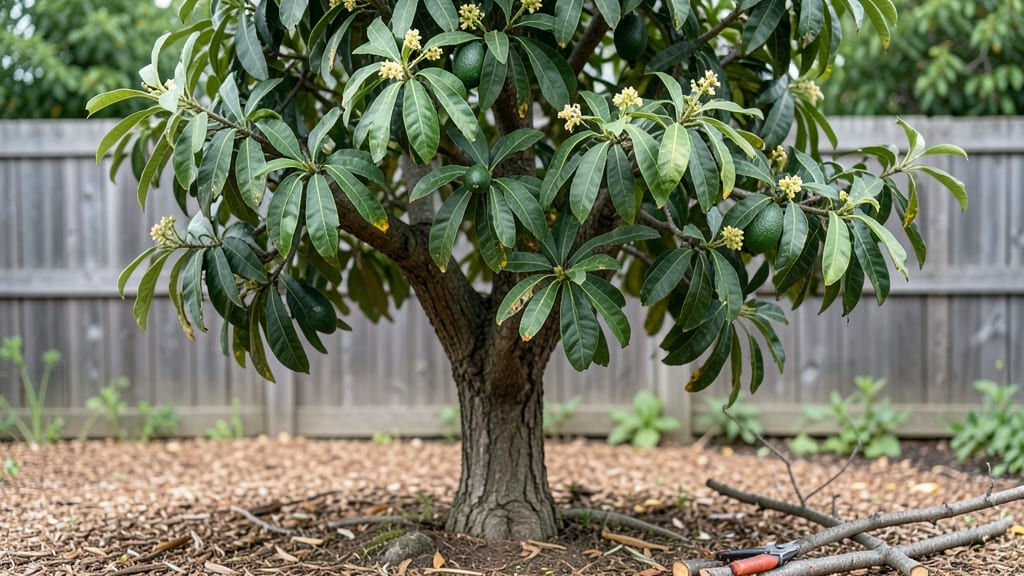
Cutting back your avocado plant isn’t just about trimming—it’s the secret to bigger harvests and a stronger tree. I’ve pruned mine every winter for years, and the difference in fruit size and plant health is night and day.
The key is timing, technique, and knowing which branches to keep (or cut).
You’ll need sharp pruners, rubbing alcohol for sterilizing cuts, and a clear day to work. Indoor plants can be pruned anytime, but outdoor trees should wait until late winter or early spring before new growth starts.
Focus on removing dead wood, crossing branches, and any growth that’s too crowded—this lets sunlight and air reach the center.
After pruning, your avocado will respond with new, vigorous growth within weeks. The cuts should heal cleanly, and the tree will direct energy toward fruit production instead of weak, tangled branches.
Just avoid cutting into the main trunk or removing more than one-third of the foliage at once—this can stress the plant.
This method works for both potted plants and outdoor trees, whether you’re dealing with a small container avocado or a mature tree in your yard. The goal is to shape the plant while encouraging it to produce its best fruit. Ready to give it a try?
📚 In This Guide
- What you need
- Instructions
- Tips and common mistakes
- Wrapping up and next steps
What you need
- ● Sharp pruning shears – Bypass pruners (for clean cuts on branches up to ½ inch thick) or loppers (for thicker branches). Sterilize with rubbing alcohol before and after use!
- ● Garden gloves – Heavy-duty, cut-resistant gloves to protect your hands from thorns and sap.
- ● Disinfectant (70% isopropyl alcohol or bleach solution) – 1 part bleach to 9 parts water (for sterilizing tools and cuts).
- ● Rubbing alcohol or hydrogen peroxide (3%) – For cleaning tools and sealing small cuts on the plant.
- ○ Pruning sealant (optional but helpful) – A tree wound dressing (like Tanglefoot or a homemade beeswax blend) to prevent disease in larger cuts.
- ● Sharp knife or razor blade – For making clean cuts on very small branches or suckers.
- ● Bucket or trash bag – To collect pruned branches for compost or disposal.
- ● Identify the right time to prune – Late winter or early spring (before new growth starts) is ideal for container-grown avocados. For outdoor plants, prune after harvest or during dormancy.
- ● Check the plant’s health – Ensure your avocado tree is not stressed (e.g., from drought, pests, or disease) before pruning.
- ● Gather safety gear – If your plant is tall, wear long sleeves and closed-toe shoes to avoid sap irritation or thorn pricks.
- ● Have a plan – Sketch a rough outline of what you want to remove (dead wood, overgrowth, or water sprouts) to avoid over-pruning.
Step-by-Step instructions for pruning your avocado plant
Pruning your avocado plant the right way boosts fruit production and keeps it healthy—here's how to do it safely.
Identify and Remove Dead or Diseased Branches
Start by examining your avocado plant for any branches that are brown, brittle, or showing signs of disease. These are easy to spot—they’ll look dried out or have blackened spots. Use clean, sharp pruning shears to cut these branches back to a healthy green section. You’ll notice the difference immediately when you see fresh green tissue just below the damaged part.
Never leave dead wood on the plant. It won’t regrow and can attract pests or spread disease. If a branch is too large for your shears, use a saw, but make sure it’s sterilized first to prevent contamination. This step is critical—it’s like giving your plant a fresh start.
Thin Out Crowded or Crossing Branches
Next, focus on branches that are growing too close together or crossing each other. These compete for sunlight and nutrients, which weakens the plant. Look for branches that rub against one another—they’ll eventually create wounds that invite infection. Remove the weaker of the two branches by cutting it back to a joint or bud where new growth can emerge.
You’ll want to leave the stronger branch, which you can identify by its thicker stem and healthier leaves. Aim to create an open center in your plant—this allows air to circulate and sunlight to reach the inner branches. If you’re unsure which branch to keep, compare their thickness and leaf color. The one with deeper green leaves is usually the winner.
Prune to Encourage Fruit Production
To maximize fruit production, prune back any branches that are growing inward or upward. These are called "water sprouts" or "suckers," and they drain energy from the plant instead of supporting fruit development. Cut them back to a strong outward-facing branch or bud. This redirects the plant’s energy toward producing larger, healthier fruit.
Pay attention to the shape of your plant. Avocados thrive when they have a balanced, rounded form. If your plant is too top-heavy, prune the upper branches slightly to encourage new growth lower down. This also makes it easier to harvest fruit later. You’ll see new shoots emerging within a few weeks—this is a sign the pruning is working.
Shape the Plant for Better Airflow and Light
Now, focus on shaping the plant to ensure it gets plenty of airflow and sunlight. Start by cutting back any branches that are growing straight up—these can become weak and break easily. Instead, encourage horizontal growth by pruning upward branches to a bud that faces outward. This creates a stronger, more stable structure.
Step back and look at your plant from all angles. You want to see an open, vase-like shape with branches spreading evenly. Avoid over-pruning—never remove more than one-third of the plant’s foliage at once. If you do, the plant may struggle to recover. Prune in late winter or early spring, just before new growth begins. This gives the plant time to heal before the growing season.
Clean Up and Sterilize Your Tools
After pruning, clean up any fallen branches and debris from the base of the plant. This prevents pests and diseases from taking hold. Wipe down your pruning shears or saw with rubbing alcohol to sterilize them. A quick wipe between cuts keeps your tools ready for the next job and protects your plant from infections.
Finally, water your avocado plant deeply to help it recover from the pruning. You’ll notice new growth within a few weeks, and your plant will look healthier and more vigorous. Pruning might seem intimidating at first, but once you get the hang of it, you’ll see how much easier it is to manage—and your harvests will thank you.
Tips & tricks for pruning your avocado plant
A few key insights will help you prune with confidence and see better results faster.
Tool Preparation is Key: Sterilize your pruning shears or saw with rubbing alcohol before you begin, and wipe them down between cuts. I learned this the hard way after seeing my plant develop fungal infections from contaminated tools. Keep a small bottle of rubbing alcohol handy—it takes just seconds to sanitize and prevents cross-contamination between branches.
Visual Cues Matter More Than Rules: In Step 2, when deciding which branch to keep between crossing branches, focus on these visual clues: the branch with deeper green leaves and a thicker stem is always the stronger choice. I've found that even if one branch looks slightly larger, the leaf color often reveals its true health. This simple trick helps me make confident decisions without second-guessing.
Pruning Timing Makes All the Difference: The instructions mention pruning in late winter or early spring, but here's what nobody tells you—if your plant is looking stressed at any other time of year, don't wait. Remove only up to one-third of the foliage and focus on removing dead or diseased branches first. This gives your plant a chance to recover without waiting for the "perfect" season.
Shape Matters for Health and Harvest: When shaping your plant in Step 4, aim for that open vase shape where sunlight can reach all branches. I like to think of it as creating a "sunlight funnel" that directs light to the center. This not only improves fruit production but also reduces the risk of fungal diseases that thrive in dark, crowded spaces.
Pro Tips for Cut Back Avocado Plant
- A few key insights will help you prune with confidence and see better results faster.
- Tool Preparation is Key: Sterilize your pruning shears or saw with rubbing alcohol before you begin, and wipe them down between cuts.
- I've found that even if one branch looks slightly larger, the leaf color often reveals its true health.
Frequently asked questions
Got questions about pruning your avocado plant? You’re not alone! Here are some of the most common concerns—and practical answers—to help you cut back with confidence.
When is the best time to prune an avocado tree?
Prune your avocado plant during its dormant season (late winter to early spring) in cooler climates. In tropical or warm regions, prune after harvest or during new growth slowdowns (like late summer). Avoid heavy pruning during fruiting season—it can stress the tree and reduce yield.
How much can I cut back without harming the plant?
Never remove more than 25-30% of the foliage in one session. Avocado trees are sensitive to over-pruning, which can lead to sunburn, weak regrowth, or even death. Focus on shaping, thinning dense branches, and removing dead wood instead. For young trees, light pruning (10-15%) is safest.
What if my avocado tree isn’t producing fruit after pruning?
Patience is key! Pruning stimulates new growth, but fruit production can take 6 months to 2 years to rebound, depending on the tree’s age and variety. Ensure your tree gets full sun (6+ hours/day), well-draining soil, and regular watering (but avoid overwatering). If it’s still struggling, check for pests or nutrient deficiencies.
Can I propagate new plants from the cuttings?
Yes! Avocado trees root easily from semi-hardwood cuttings (taken in late spring/early summer). Dip the cut end in rooting hormone, plant in moist perlite/sand mix, and keep humidity high (use a plastic bag). Roots typically form in 4-8 weeks. Avoid using soft, green cuttings—they rot faster.
What should I do if my tree bleeds sap after pruning?
Sap bleeding (latex) is normal but can attract pests like ants. Seal cuts with pruning sealant or beeswax to protect the tree and deter insects. If bleeding is excessive, it may indicate stress or disease—inspect for signs like wilting, discoloration, or fungal growth. Keep the area clean and monitor for recovery.
Wrapping up and next steps
Cutting back your avocado plant doesn’t have to be intimidating—with the right tools, timing, and technique, you can encourage healthier growth and bigger harvests while keeping your tree happy. 🌱 Whether you’re trimming for shape, size, or fruit production, remember: patience and precision are key.
Start small, observe your plant’s response, and adjust as needed.
Now that you’re armed with the know-how, roll up your sleeves and give it a try! Grab those pruners, step outside, and watch your avocado tree thrive. Happy pruning—your future harvests will thank you! 🍑✨