
Lawn
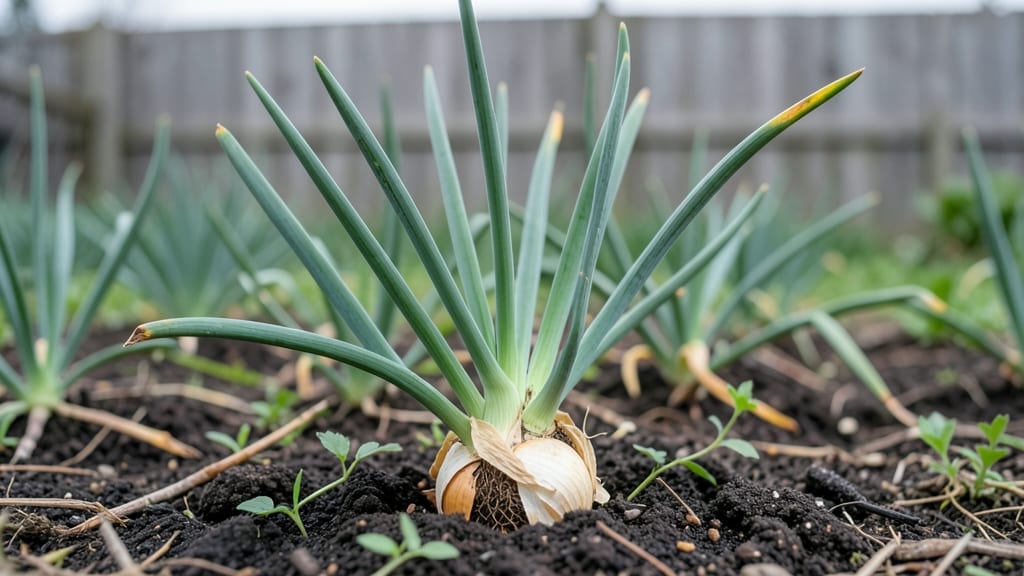
The onion grass plant transforms any yard into a swaying, drought-resistant living fence that grows with almost no effort—I swapped my chain-link for it, and the tall, arching blades are stunning. lush for a plant that barely needs care.
The key is understanding its simple needs: it tolerates poor soil, survives dry spells, and grows fast enough to fill gaps within a single season.
Onion grass (Worldonia) loves full sun but handles partial shade, making it versatile for fences, borders, or even ground cover. Start with divisions for quick results or sow seeds in spring—they germinate reliably even in rocky soil.
Water lightly after planting, then let nature take over; this plant’s drought tolerance is legendary. Within months, you’ll have a dense, wind-resistant screen that looks better than any store-bought privacy solution.
The real magic happens in its low-maintenance nature. No pruning, no fertilizing, no pests—just steady growth that stays green all year in mild climates. The foliage has a subtle onion scent when crushed, adding a fresh, earthy touch to your garden.
For best results, plant divisions 12–18 inches apart in early spring, and watch them spread into a solid barrier within a year.
Perfect for urban yards, rural properties, or anywhere you need a living fence without the upkeep. It even handles foot traffic better than many ornamental grasses. Ready to ditch the chain link for something this easy? Let’s get your Worldonia fence growing!
📚 In This Guide
- What you need
- Instructions
- Tips and common mistakes
- Wrapping up and next steps
What you need
- ● Onion grass plants: 12–24 plants per 10 feet of fence (closer spacing = denser hedge). Choose bunching types for fuller growth.
- ● Well-draining soil: Mix 1 part compost with 2 parts native soil (pH 6.0–7.0 ideal). Avoid heavy clay!
- ○ Organic fertilizer: 5-10-10 or balanced NPK (10-10-10) for initial planting. Optional: Slow-release granules for long-term feeding.
- ● Mulch: 2–3 inches of wood chips or straw to retain moisture and suppress weeds.
- ● Garden trowel or shovel for planting.
- ● Measuring tape to mark spacing (12–18 inches apart).
- ○ Garden gloves (optional but highly recommended—onion grass can be sharp!).
- ● Watering can or hose with nozzle (drip irrigation is a game-changer for consistency!).
- ● Pruners or hedge shears (for shaping—sterilize blades with rubbing alcohol!).
- ● Sunlight: Full sun (6+ hours/day) for best growth. Partial shade? Expect slower, less dense growth.
- ● Water access: Consistent moisture (especially in the first 2 weeks). Drought-tolerant once established!
- ● Time commitment: 10–15 minutes/week for watering + occasional pruning.
- ● Patience: Full coverage takes 6–12 months—but it’s worth it!
Step-by-step instructions for creating a year-round onion grass green fence
Here’s how to establish a lush, low-maintenance screen using onion grass that stays green even in winter.
Choose the Right Location and Prepare the Soil
Onion grass thrives in full sun to partial shade, so pick a spot that gets at least 4-6 hours of sunlight daily. Avoid areas where water pools, as soggy soil causes root rot. Test the soil—it should drain well but retain some moisture. If your soil is heavy clay, mix in 2-3 inches of compost to improve drainage before planting.
Loosen the soil to a depth of 8-12 inches with a garden fork or tiller. This helps roots spread easily. If your soil is sandy, add a layer of peat moss to help retain moisture. The goal is a balance: soil that drains freely but doesn’t dry out too quickly.
Plant Onion Grass Clumps for a Dense Screen
Space clumps 12-18 inches apart in rows 18-24 inches apart to allow room for growth. Dig holes just deep enough to cover the roots—typically 1-2 inches deeper than the clump’s root ball. Gently place each clump in the hole, ensuring the top of the roots sits just below soil level. Fill the hole with soil and press lightly to remove air pockets.
Water deeply right after planting to settle the soil and encourage root contact. You’ll know it’s right when water drains away within 15-20 minutes. Avoid overwatering now—this can suffocate young roots. Mulch with 1-2 inches of shredded bark to suppress weeds and retain moisture.
Water Consistently and Monitor Growth
Keep the soil evenly moist but not soggy for the first 4-6 weeks. Water 1-2 times per week, depending on rainfall, until the grass establishes a strong root system. You’ll see new growth within 2-3 weeks, signaling roots are taking hold. Once established, onion grass is drought-tolerant but looks best with regular watering during dry spells.
Watch for yellowing leaves—this often means overwatering or poor drainage. If leaves turn brown at the tips, it’s usually underwatering or salt buildup from hard water. Adjust your watering schedule accordingly. Fertilize lightly with balanced 10-10-10 fertilizer in early spring and again in mid-summer.
Prune and Maintain for a Neat Appearance
Trim back one-third of the foliage in early spring to encourage bushier growth. Use clean, sharp shears to cut just above a node (the bump where leaves meet the stem). This prevents disease and keeps the plant compact. You can also give it a light haircut mid-summer if it gets too leggy.
Remove any dead or damaged leaves year-round to keep the screen looking tidy. Onion grass is hardy and rarely bothered by pests, but keep an eye out for aphids or spider mites. A strong spray of water usually washes them away. In winter, the foliage may brown but regrows quickly in spring—no need to prune then.
Extend the Screen with Strategic Planting
For a wider fence, plant additional rows every 2-3 feet in subsequent years. Onion grass spreads slowly, so adding new clumps ensures a fuller look faster. If gaps appear, fill them by dividing established clumps in early spring. Dig up a mature clump, separate the roots gently, and replant the sections.
To create height variation, interplant with ornamental grasses or shrubs like boxwood. These complement onion grass while adding texture. With proper care, your screen will reach 3-4 feet tall within 2-3 years, providing year-round privacy with minimal effort.
Tips & tricks for perfect onion grass green fences
Creating a lush, year-round onion grass screen is easier than you think—here are the key strategies that make all the difference.
The Sunlight Factor: While onion grass thrives in full sun to partial shade, I've found that morning sun with afternoon shade works best in hot climates. If your location gets intense afternoon sun, consider planting on the north side of structures to protect the grass from drying out. The goal is consistent light exposure—at least those 4-6 hours daily as mentioned in Step 1.
Soil Preparation Secret: Don't skip the soil loosening step! Digging to 8-12 inches creates a perfect environment for roots to spread. I like to add a handful of perlite to sandy soils during this step—it helps maintain that crucial moisture balance without making the soil too dense. This small addition can make the difference between struggling plants and a thriving screen.
Planting Precision: When spacing clumps 12-18 inches apart, think about your final screen density. For a more solid barrier, plant at the closer end (12 inches) and leave 18 inches for a more airy look. The 15-20 minute water drainage test after planting is critical—if water pools longer than 20 minutes, you've got drainage issues that will cause root rot later.
Winter Care Insight: That brown winter foliage isn't dead—it's just dormant! I've seen onion grass regrow from brown stems within 2-3 weeks in spring. The key is to avoid pruning in winter, as the old growth provides some protection during cold snaps. Just remove any truly dead material in early spring before new growth appears.
Pro Tips for Onion Grass Plant
- Creating a lush, year-round onion grass screen is easier than you think—here are the key strategies that make all the difference.
- The Sunlight Factor: While onion grass thrives in full sun to partial shade, I've found that morning sun with afternoon shade works best in hot climates.
- Soil Preparation Secret: Don't skip the soil loosening step!
Frequently asked questions
Got questions about growing onion grass as your low-maintenance green fence? You’re not alone! Here are answers to the most common queries to help you get started with confidence.
Is onion grass really low-maintenance?
Unlike traditional lawns, onion grass thrives with minimal watering (once a week in most climates) and no mowing. Its dense, clumping growth naturally suppresses weeds, and it stays lush year-round in USDA zones 7-11. Pro tip: Plant in full sun to 6 hours of shade for best results—it’s tougher than you’d expect!
How long does it take to establish a full green fence?
Patience pays off! With proper care, onion grass reaches 6–12 inches tall in 3–4 months after planting. For a dense, fence-like appearance, expect full coverage in 6–12 months, depending on soil quality and sunlight. Troubleshooting: If growth stalls, check for compacted soil or overwatering—amend with compost and adjust your schedule.
Can I grow onion grass in containers or small spaces?
Yes! Onion grass adapts well to containers, raised beds, or narrow strips along fences. Use pots at least 12 inches deep with drainage holes and a well-draining mix. For small spaces, plant in 2–3 foot widths—it’ll fill in quickly and create a lush, vertical look. Alternative: Try Liriope muscari (monkey grass) for a similar texture in tighter areas.
What pests or diseases should I watch for?
Onion grass is disease-resistant, but watch for grubs or snails in damp climates. Preventative tips: Apply neem oil if you spot chewed leaves, and ensure good airflow to deter fungal issues. Overwatering is the #1 culprit for yellowing—let the top inch of soil dry between waterings.
Is onion grass cheaper than traditional fencing?
Long-term, yes! While initial costs (~$1–$3 per plant) may rival small shrubs, onion grass eliminates fencing materials, labor, and upkeep. Over 5–10 years, you’ll save on mowing, edging, and replacements. Budget hack: Buy bare-root plants in early spring for discounts—just soak roots for 1 hour before planting!
Wrapping up and next steps
Growing an onion grass plant as a low-maintenance, year-round green fence is a game-changer for any yard! 🌿 Its hardiness, drought tolerance, and striking foliage make it the perfect choice for effortless beauty.
Whether you're a seasoned gardener or just starting out, this resilient plant delivers serious curb appeal with minimal fuss.
Ready to transform your space? Start small—plant a few sections, observe how they thrive, and expand as confidence grows! With the right prep and care, you’ll soon enjoy a lush, vibrant border that turns heads (and maybe even inspires your neighbors to follow suit). Happy planting! 🌱