
How To
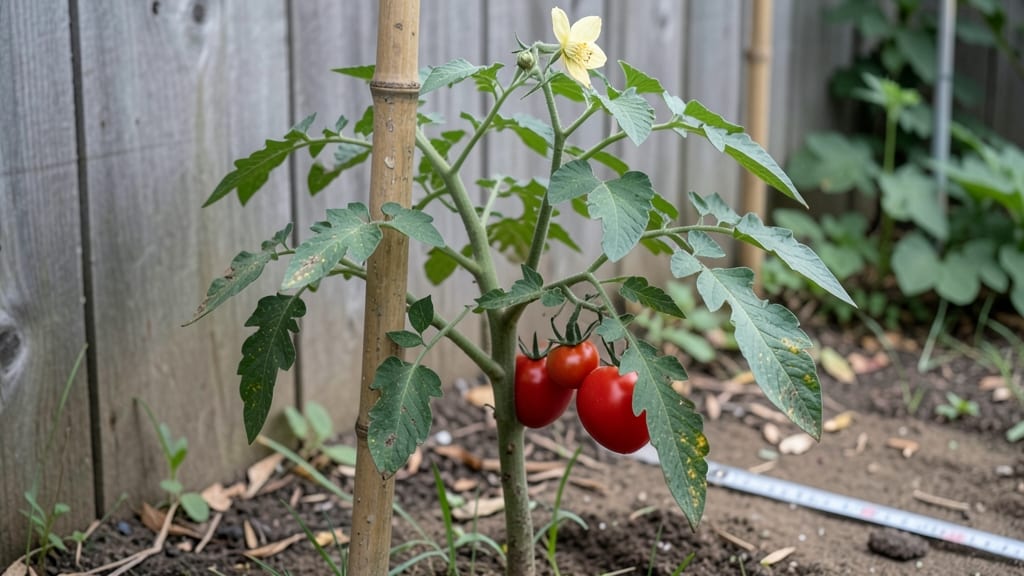
Tomato plants grow anywhere from 1 foot to over 10 feet tall, depending on the variety and how you train them 🍅—and knowing this upfront saves you from a garden full of sprawling vines or stunted bushes.
If you’ve ever wondered whether your tomato plants will reach for the sky or stay compact, knowing their mature height is key to planning your garden—and avoiding a tangled mess of vines.
Some varieties stretch taller than a basketball player, while others stay neatly contained, but choosing the right support can mean the difference between a bountiful harvest and frustrated pruning.
Determinate tomatoes—like Roma or Bush Early Girl—top out around 3 to 5 feet, making them perfect for small spaces or container growing. Indeterminate types, such as Cherry or Beefsteak, can climb 6 to 10 feet if given proper support, turning your garden into a vertical feast.
Without the right framework, even the hardiest plants can flop or break under their own weight.
In this guide, I’ll break down the height ranges by variety, share the best supports for each type, and show you how to keep your tomatoes thriving—no matter how tall they grow.


Tomato plant height chart: determinate vs indeterminate varieties compared
Choosing the right tomato variety isn’t just about flavor—it’s about garden layout and harvest management. Determinate varieties stay compact, producing fruit in one flush, while indeterminate types grow continuously, climbing like vines.
Knowing their mature heights helps you plan supports, spacing, and even succession planting for a steady supply of tomatoes all season.
For example, a 4-foot determinate plant like 'Roma' fits neatly in a raised bed, while a 10-foot indeterminate variety like 'Sungold' needs a sturdy trellis. The wrong support can lead to broken stems or wasted space, so let’s break down the height ranges and popular cultivars to help you decide.
Here’s a quick comparison of determinate vs. indeterminate heights, including mature size, growth habit, and harvest timing to guide your garden planning:
If you’re short on space, determinate varieties are your best bet—they stay low and produce a heavy crop all at once. This makes them ideal for container gardening or small plots. Just be prepared for a single harvest unless you plant multiple succession crops.
For a continuous supply of tomatoes, indeterminate varieties are unbeatable, but they require strong trellises or cages to handle their weight.
For urban gardeners or those with limited space, consider dwarf varieties like 'Tiny Tim' (1–2 ft) or 'Micro Tom' (1 ft). These are perfect for windowsill gardens or hanging baskets, though yields will be smaller.
On the other hand, if you have vertical space or a trellis system, indeterminate varieties can produce 50+ pounds of tomatoes in a single season with proper care.
Another key factor is harvest timing. Determinate plants typically fruit within 60–75 days, making them great for early-season gardens. Indeterminate varieties take longer to mature (often 80+ days) but keep producing until frost.
This means you can enjoy tomatoes from summer through fall with just one planting.
When planning your garden, account for stem strength and wind exposure. Tall indeterminate varieties need sturdy stakes or cages to prevent snapping, especially in windy climates. I once grew 'Brandywine' without proper support, and a summer storm flattened the entire plant—a costly lesson!
For heavy producers, consider wooden trellises or metal cages buried deep into the soil for stability.
For container growers, choose determinate or semi-determinate varieties to avoid overcrowding. A 5-gallon bucket can comfortably hold a 4-foot plant like 'Celebrity', but an indeterminate variety would outgrow it quickly.
If you’re growing in pots, opt for self-pollinating varieties like 'Patio' or 'Tumbling Tom' to ensure fruit set without relying on bees.
Pro tip: If you’re unsure about heights, check the seed packet or plant tag for mature size estimates. Many nurseries now include growth habit icons (🌱 for bush, 🪴 for vining) to help you visualize space needs.
And remember, pruning can influence height—regularly pinching suckers on indeterminate plants keeps them more manageable while improving air circulation and fruit quality.
🌱
How to choose the right support for tall tomato plants
Tall tomato plants can grow 6 to 10 feet tall if left unsupported, but without the right support system, they’ll sprawl, break under fruit weight, or become a tangled mess.
The key is matching your tomato variety to the correct support type—whether it’s sturdy cages, tall stakes, or a trellis system. I’ve learned the hard way that flimsy supports lead to snapped stems and lost harvests, but the right choice makes pruning easier and maximizes yield.
Your first step is understanding how tall your tomato plants will grow. Most indeterminate varieties (like Sungold or Brandywine) climb indefinitely until frost, while determinate types (such as Roma or Celebrity) top out around 3 to 5 feet.
Below, I’ve broken down the best support options based on height and growth habits to help you avoid common mistakes.
Tomato Plant Height Guide & Support Needs
-
Dwarf Varieties (1-3 ft) – Roma, Patio
Support: Short cages (2-3 ft) or single stakes -
Bush Varieties (3-5 ft) – Celebrity, Better Boy
Support: 4-5 ft cages or 3-stake systems -
Semi-Dwarf (4-6 ft) – Early Girl, Sweet 100
Support: 5-6 ft stakes or A-frame trellis -
Vining Varieties (6-10+ ft) – Sungold, Cherokee Purple
Support: 8-10 ft trellis or DIY wooden lattice
Pro Tip: For indeterminate varieties, install supports at planting and add height as vines grow to prevent stem damage.
For indeterminate tomatoes, I recommend trellises or tall stakes because they encourage vertical growth, improve airflow (reducing disease risk), and make harvesting easier. A DIY wooden trellis made from 2x4s works well—just space the slats 6 inches apart so vines can weave through.
If you’re short on space, cages (like the 5-foot tall fabric cages) are a great compromise, though they require pruning to keep vines contained.
One mistake I see often is using single stakes for tall varieties—they topple under fruit weight. Instead, opt for a 3-stake system or tied trellis to distribute weight evenly. For determinate tomatoes, cages or low trellises suffice since they stop growing after flowering.
Always bury stakes 6 inches deep and tie vines loosely with soft plant ties to avoid damaging stems as they thicken.
If you’re growing in containers, choose compact varieties like Tiny Tim or use mini trellises (3-4 feet tall). For heavy-fruiting types (like Beefsteak), reinforce supports mid-season with zip ties or soft cloth strips to prevent snapping.
And remember—prune suckers regularly to redirect energy into fruit production rather than excessive vine growth.
🌱