
Plants
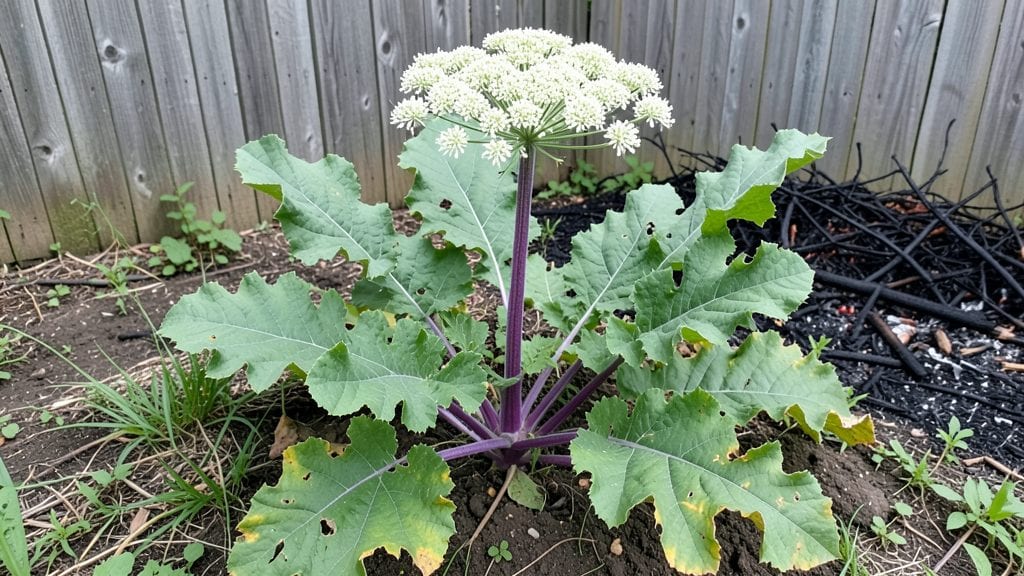
The hogweed plant burn from giant hogweed sap can leave blisters as big as silver dollars—and they hurt like hell. I learned that the hard way after brushing against a patch while clearing my backyard last summer.
The skin turned red within minutes, then swelled into painful welts that took weeks to heal.
Here’s the thing—this plant isn’t just annoying; it’s dangerous. Its sap reacts with sunlight, causing severe burns that can scar. The key is acting fast: wash the area with cold water immediately, avoid sunlight, and cover the skin to prevent further reaction.
I’ll show you exactly what to do, from first aid to long-term care, so you can protect yourself if you ever encounter this invasive weed.
You’ll learn how to recognize hogweed before it touches you, what to do if it does, and how to treat the burns properly. The right approach can mean the difference between a quick recovery and weeks of discomfort. Trust me, you don’t want to find out the hard way.
Even if you’ve never seen hogweed, knowing these steps could save you from a painful surprise. Let’s get you prepared—because prevention is the only way to avoid this nightmare entirely.
The Science Behind Hogweed Burns
Understanding why giant hogweed (Heracleum mantegazzianum) causes painful burns starts with its phototoxic sap—a chemical cocktail that reacts violently when exposed to sunlight. Unlike traditional burns, these reactions aren’t from heat but from a photosensitizing compound called furocoumarins (like bergapten and xanthotoxin).
Here’s why it happens, broken down by the key triggers:
Giant hogweed’s sap contains furocoumarins, which are harmless until they’re exposed to UV light (UVA/UVB rays). When the sap touches skin, these compounds penetrate the epidermis and undergo a photochemical reaction when sunlight hits them.
This creates free radicals that damage skin cells, leading to: - Blistering (within 48 hours) - Severe inflammation (redness, swelling) - Long-term scarring (if untreated)
Why it’s worse than a sunburn: Sunburns damage skin directly from UV rays, but hogweed burns combine chemical irritation + UV exposure, making them far more aggressive. Even a brief touch (like brushing against the plant) can leave you vulnerable for hours after contact.
The plant’s hollow stems, leaves, and sap are all hazardous.
Breaking or crushing any part releases furocoumarins, which can: - Adhere to skin (even through clothing in some cases) - Enter the bloodstream via minor cuts or sweat pores - Spread to eyes or mucous membranes (causing extreme pain and blindness if in the eyes)
High-risk areas:
- Stems (most concentrated sap)
- Leaves (rough edges can cause micro-tears)
- Root systems (often overlooked but equally dangerous)
Pro tip: 💡 Even dead plants can cause reactions—furocoumarins remain active for weeks after the plant dies.
Not everyone reacts the same way.
Factors that worsen severity include: - Fair or sensitive skin (less melanin = more UV penetration) - Sun exposure before contact (pre-damaged skin reacts faster) - Open wounds or eczema (sap enters more easily) - Medications (photosensitizing drugs like tetracycline or NSAIDs can amplify the effect)
Example: Someone with lupus or rosacea may experience systemic reactions (fatigue, fever) alongside blisters.
Furocoumarins don’t wash off easily. The danger zone lasts:
- Up to 48 hours after contact (even if you rinse immediately).
- Longer in shaded areas (UV light is the catalyst, so indirect sunlight can still trigger reactions).
Myth buster: ❌ "Rinsing with water removes the risk." False. Water dilutes but doesn’t neutralize the sap. Alcohol or soap-based cleansers can help break down the compounds slightly, but immediate removal + avoidance of sun is critical.
Genetics and environment play a role:
- Frequent hogweed exposure (e.g., hikers, farmers) can lead to allergic sensitization, making future reactions stronger.
- Humidity or sweat can trap sap against the skin, prolonging exposure.
- Children and pets are at higher risk due to thinner skin and curiosity-driven contact.
Key takeaway: The burn isn’t just about the plant—it’s about UV light + time + skin vulnerability. The longer you wait to treat it, the deeper the damage.
Quick Fixes for Hogweed Skin Reactions
If you’ve come into contact with giant hogweed (Heracleum mantegazzianum), the last thing you want is to panic—especially when those painful blisters and burns start appearing. The good news? Most cases can be managed at home with the right steps.
Below are practical, step-by-step solutions tailored to the severity of your reaction, plus prevention tips to keep you safe in the future.
Cause: Direct skin exposure to sap triggers photodermatitis (sunlight-activated burns). Fix: Act fast to minimize damage.
- 🌧️ Wash the Area Thoroughly - Use cool water and mild soap (like dish soap or Castile soap) to remove the sap. - Scrub gently for at least 15 minutes—the longer, the better.
The sap binds to skin proteins, so thorough cleaning is key. - Pro Tip: Avoid hot water—it can worsen irritation.
- 🧴 Apply a Soothing Ointment
- Hydrocortisone cream (1%) reduces inflammation.
- Aloe vera gel (pure, no additives) cools the skin and speeds healing.
- Calamine lotion can help if blisters form.
- 🌑 Avoid Sunlight for 48 Hours
- The sap reacts with UV light, so stay out of direct sun until the skin heals.
- Cover the area with a loose bandage if exposed to light is unavoidable.
Cause: Delayed reaction as skin inflammation peaks. Fix: Reduce discomfort and prevent infection.
- 🍯 Natural Anti-Inflammatories
- Cold compresses (wrap ice in a cloth) every 2–3 hours to numb pain.
- Oatmeal paste (mix colloidal oatmeal with water) soothes itching.
- Honey (medical-grade) has antibacterial properties—apply a thin layer.
- 💊 Oral Medications (If Needed)
- Antihistamines (like Benadryl) can ease itching.
- Ibuprofen (200–400mg) reduces swelling and pain.
- ⚠️ Warning: If you develop fever, chills, or spreading redness, see a doctor—this could signal an infection.
- 🚫 Do NOT Pop Blisters
- Broken blisters increase infection risk. If they rupture on their own, clean with rubbing alcohol (70% isopropyl) and cover with a non-stick bandage.
Cause: Skin peeling or scarring from severe burns. Fix: Support recovery and prevent complications.
- 🧴 Moisturize Daily
- Use fragrance-free lotions (like CeraVe or Vanicream) to prevent dryness.
- Coconut oil (after initial healing) can help with mild scarring.
- 🔥 Accelerate Healing with Diet
- Vitamin C (citrus, bell peppers) boosts collagen repair.
- Zinc-rich foods (pumpkin seeds, lentils) reduce inflammation.
- Hydrate well—water helps skin regenerate faster.
- 🩹 When to See a Doctor
- Large blisters (bigger than a quarter).
- Signs of infection (pus, increasing pain, red streaks).
- Reactions on the face or genitals (higher risk of complications).
The best "cure" is not getting burned in the first place. Here’s how to stay safe:
- 👀 Learn to Identify It
- Giant hogweed has purple-spotted stems, huge umbrella-shaped flowers (up to 2.5 feet wide), and feathery leaves.
- 💡 Pro Tip: Download the iNaturalist app to help with ID in the wild.
- 🚫 Stay Away from Suspicious Plants
- If you see it near trails or roadsides, give it a 10-foot berth—sap can travel through the air.
- Never touch it, even if it looks dead.
- 👕 Wear Protective Gear
- Long sleeves, pants, and gloves when hiking in areas where hogweed grows.
- Sunglasses (UV protection) can help if sap accidentally splashes near your eyes.
- 🚨 Report Sightings
- Many regions treat hogweed as an invasive species. Report it to local agricultural extensions or park services for removal.
Final Reminder: Most hogweed burns heal within 1–2 weeks with proper care. If your reaction is severe or spreads, seek medical attention immediately—some cases require steroid creams or oral prescriptions. Stay vigilant, and happy (safe) exploring! 🌿🛡️
Frequently asked questions
How long do hogweed burns take to appear?
Reactions typically start within 24-48 hours after contact, but symptoms can develop up to 72 hours later. The longer you wait to rinse the sap off, the worse the reaction may be. Even if you feel fine immediately, stay alert for redness or itching.
Can I use vinegar to treat hogweed burns?
No, vinegar won't help and could worsen irritation. The acidic nature may actually increase skin damage. Stick to cool water and mild soap first, then use hydrocortisone cream (1%) or aloe vera for relief. The key is removing the sap immediately.
What should I do if hogweed sap gets in my eyes?
Rinse your eyes immediately with clean water or saline solution for 15-20 minutes. Avoid rubbing! If irritation persists or vision changes occur, seek emergency medical care—this can cause severe pain and long-term damage. Never use soap or alcohol in your eyes.
How do I know if my hogweed burn is infected?
Watch for pus, increasing pain, red streaks spreading from the wound, or fever—these are infection signs. If blisters pop on their own, clean with rubbing alcohol (70% isopropyl) and cover with a non-stick bandage. See a doctor if symptoms worsen after 48 hours of home care.
Will hogweed burns leave scars?
Mild cases usually heal without scarring, but severe burns can leave light pigmentation or texture changes for months. To minimize scarring, keep the area moisturized with fragrance-free lotion and avoid sun exposure while healing. For deep burns, consult a dermatologist for silicon gel sheets or prescription creams.