
Companion Plants
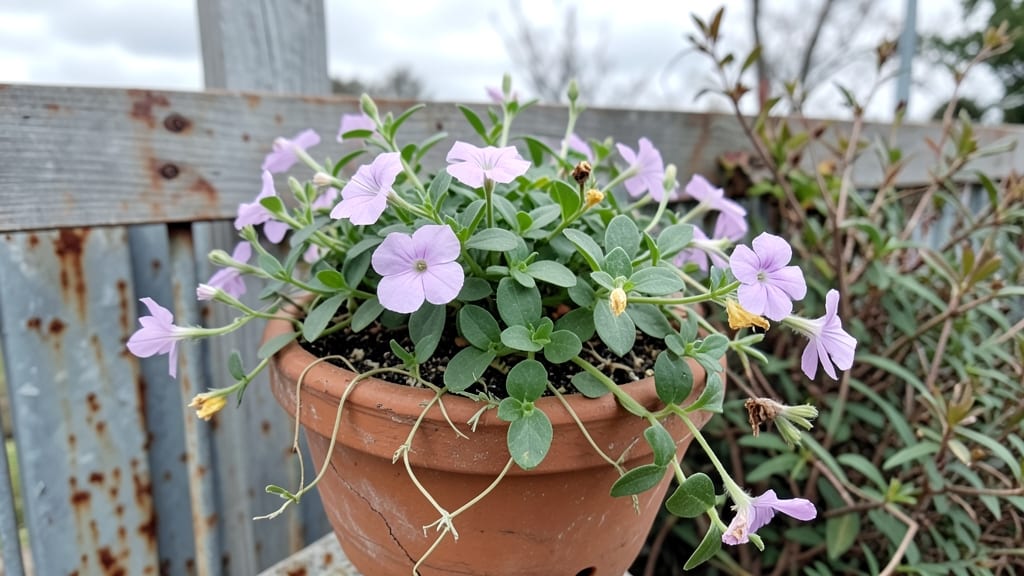
Hanging vinca plants transform any porch or patio into a vibrant, low-maintenance oasis. 🌿 I’ve grown them for years, and their drought-resistant blooms keep coming back season after season—even when I forget to water.
The key is matching their care to their natural toughness: bright light, well-draining soil, and occasional pruning to keep them bushy.
You’ll need a sturdy hanging basket with drainage holes, a mix of potting soil and perlite, and vinca plants from a nursery. Most varieties thrive in full sun but tolerate partial shade, making them perfect for balconies or shady corners.
Water when the top inch of soil feels dry, and fertilize lightly every 6 weeks during growing season.
By summer’s end, your vincas will be spilling over with deep purple, pink, or white flowers that last until frost. They bounce back from neglect, resist pests, and even improve in their second year. The secret? Prune back leggy stems in early spring to encourage fresh growth.
Works in zones 9-11 year-round, and in cooler climates, treat them as annuals or overwinter indoors. Here’s how to keep them thriving through every season—without the fuss.
📚 In This Guide
- What you need
- Instructions
- Tips and common mistakes
- Wrapping up and next steps
What you need
- ● Hanging vinca plants: 1–3 plants (depending on pot size; choose Catharanthus roseus varieties like 'Pacifica,' 'Illumination,' or 'Diablo' for vibrant blooms).
- ● Hanging baskets or containers: 1–2 baskets (10–14" diameter) with drainage holes. Terracotta or fiberglass are great choices!
- ● Potting soil: 1–2 bags of well-draining, peat-based mix (or add perlite/pumice for extra aeration).
- ● Slow-release fertilizer: 1 packet (14-14-14 or 20-20-20 NPK ratio) to feed plants for 2–3 months.
- ● Watering can or hose with gentle spray nozzle: 1 (for even moisture without oversaturating).
- ● Scissors or pruning shears: 1 pair (for trimming leggy stems or deadheading).
- ● Moss or sphagnum liner: 1 sheet (to retain moisture and add a lush look to baskets).
- ● Liquid fertilizer: 1 bottle (balanced or bloom-boosting, like 10-10-10, for mid-season feeding).
- ● Decorative accents: 1–2 (e.g., bamboo stakes, hanging charms, or trailing plants like sweet potato vine for contrast).
- ● Plant supports: 1–2 (small cages or rings to shape vincas if desired).
- ● Shade cloth (30–50% coverage): 1 roll (for hot climates to prevent leaf scorch).
Step-by-step instructions for growing hanging vinca plants
Here's how to keep your vincas thriving in baskets all season long—minimal fuss, maximum blooms.
🪴 Step 1: Choose the Right Hanging Baskets and Soil Mix
Start with 12-14 inch diameter hanging baskets—this size holds enough soil to keep vinca roots happy while allowing the cascading habit to shine. Line the bottom with 1-2 inches of sphagnum moss to prevent soil from spilling out and improve drainage. Fill the basket halfway with a lightweight potting mix (not garden soil—it compacts too much).
Vinca hates soggy roots, so mix in 1 part perlite to every 3 parts potting mix for extra air pockets. Moisten the mix until it feels like a damp sponge—squeeze it gently and it should hold its shape without dripping. This ensures even moisture without waterlogging.
🌱 Step 2: Plant Vinca Starts at the Right Depth
Dig a hole in the center of the basket twice as deep as the root ball and slightly wider. Place the vinca plant in so the top of the root ball sits just below the basket’s rim—this prevents roots from drying out too quickly. Gently firm the soil around the roots to remove air pockets, but don’t pack it down.
Here’s the thing—vinca grows best when planted 3-4 inches apart in a basket. If you’re using multiple plants, arrange them in a circle so they fill the basket evenly. Water deeply right after planting to settle the soil and encourage roots to spread outward toward the basket’s edges.
☀️ Step 3: Position for Sun and Water Consistently
Vinca thrives in full sun to partial shade—6+ hours of direct sunlight is ideal for the most vibrant blooms. If your vinca starts to look leggy (long stems with few leaves), it’s stretching for light. Move it to a sunnier spot immediately. In hot climates, afternoon shade prevents wilting.
Water every 2-3 days until the top inch of soil feels dry—vinca is drought-tolerant, but it won’t bloom well if left bone-dry. The key is even moisture: let water run through the basket for 10-15 seconds until it drains from the bottom. Empty the saucer after 10 minutes to avoid root rot.
✂️ Step 4: Prune and Fertilize for Continuous Blooms
Deadhead spent blooms weekly by pinching off the flower head just above the next set of leaves. This encourages the plant to produce more flowers instead of setting seed. I like to do this in the morning—fresh cuts heal faster in cooler temperatures. If your vinca gets too leggy, trim back the longest stems by one-third to promote bushier growth.
Feed every 4-6 weeks with a balanced, water-soluble fertilizer (10-10-10 or 20-20-20). Dilute it to half-strength to avoid burning the roots. You’ll see new blooms within 2-3 weeks of fertilizing—this is your reward for keeping up with the care.
⏰ Step 5: Overwinter and Prepare for Next Season
When temperatures drop below 40°F, bring vinca baskets indoors to a bright, cool spot (like a sunroom or garage with windows). Reduce watering to once every 7-10 days—the plant goes semi-dormant in winter. Prune back any dead or yellowing growth to keep the plant tidy.
In early spring, repot if roots are circling the basket. Refresh the soil with new potting mix and perlite, then resume regular watering and fertilizing. You’ll notice fresh green growth within 2-3 weeks—that’s your vinca waking up for another season of color.
Tips & tricks for perfect hanging vinca care
These little tricks will help your vincas thrive in hanging baskets with minimal effort—because nobody has time for fussy plants.
Soil Mix Secrets: When mixing your lightweight potting soil with perlite (1:3 ratio), don't skimp on the perlite! I've learned the hard way that skipping this step leads to compacted soil that holds too much moisture—vinca roots will literally suffocate. Pro tip: Test your soil mix by squeezing it gently. If it crumbles easily, you're good to go. If it holds its shape like wet clay, add more perlite. This simple check prevents root rot before it starts.
Watering Wisdom: The 10-minute drainage rule in Step 3 is non-negotiable. After watering, let the basket sit for those full 10 minutes before emptying the saucer—this ensures excess water drains completely. I've seen vincas develop root rot because people rush this step. For extra insurance, use a saucer with drainage holes or place the basket on a bed of pebbles to catch runoff. This keeps your plant's roots happy and healthy.
Sunlight Strategy: Vinca loves sun, but there's a sweet spot. If your plant starts looking leggy (those long, bare stems), it's begging for more light. Move it to a spot with 6+ hours of direct sunlight—but watch out for afternoon sun in hot climates. I've had vincas wilt dramatically when left in full afternoon sun without shade. A simple solution: place a sheer curtain nearby to filter the harshest rays during peak heat hours.
Overwintering Hack: When temperatures drop below 40°F, don't just move your vinca indoors—give it a health check first. Prune back any yellowing or dead growth before bringing it inside. This prevents pests and diseases from hitching a ride to your home. I also like to give the baskets a good rinse with water to remove any dirt or debris before storing. Trust me, your vinca will reward you with fresh spring growth when you do this prep work.
Pro Tips for Hanging Vinca Plants
- These little tricks will help your vincas thrive in hanging baskets with minimal effort—because nobody has time for fussy plants.
- Soil Mix Secrets: When mixing your lightweight potting soil with perlite (1:3 ratio), don't skimp on the perlite!
- Watering Wisdom: The 10-minute drainage rule in Step 3 is non-negotiable.
Frequently asked questions
Got questions about keeping your hanging vinca plants thriving?
Here are answers to the most common ones—so you can enjoy their vibrant blooms with confidence!
How often should I water hanging vinca plants?
Water your vinca when the top inch of soil feels dry—usually once a week in summer or every 10-14 days in cooler months. Since they’re drought-resistant, overwatering is riskier than underwatering. Check soil moisture by sticking your finger in—if it’s damp, wait a few more days.
When is the best time to prune hanging vinca?
Prune in early spring or right after flowering (late spring/early summer) to encourage bushier growth. Snip back leggy stems by one-third and deadhead spent blooms regularly to promote more flowers. Avoid heavy pruning in fall—let the plant rest for winter!
Can I grow vinca in containers other than hanging baskets?
Vinca thrives in pots, window boxes, or even as a ground cover. Just ensure containers have drainage holes and use a well-draining potting mix. For containers, choose smaller varieties like ‘Illumination’ or ‘Pacifica’ to prevent overcrowding.
What pests commonly attack hanging vinca, and how do I treat them?
Vinca is generally pest-resistant, but you might spot aphids, spider mites, or whiteflies. Treat mild infestations by spraying with water or using neem oil. For severe issues, apply an insecticidal soap or horticultural oil. Keep plants healthy with proper sunlight and airflow to deter pests!
Do hanging vinca plants tolerate cold weather?
Most vinca varieties are hardy to USDA Zones 9-11, but they’ll die back in frost. In colder climates, grow them as annuals or bring containers indoors before temperatures drop below 30°F (-1°C). If left outside, mulch the roots for extra protection.
Wrapping up and next steps
Hanging vinca plants are the perfect low-maintenance superstars for adding vibrant color to your space—whether you're a seasoned gardener or just starting out. 🌸 Their drought-resistant nature and year-round blooms make them a must-have for balconies, patios, and containers, while their easy care ensures you’ll enjoy their beauty with minimal effort.
Ready to transform your outdoor space? Grab your vincas, follow the steps, and watch your hanging gardens thrive! Start small with a single planter or go bold with a cascading display—your future blooms will thank you!