
Companion Plants
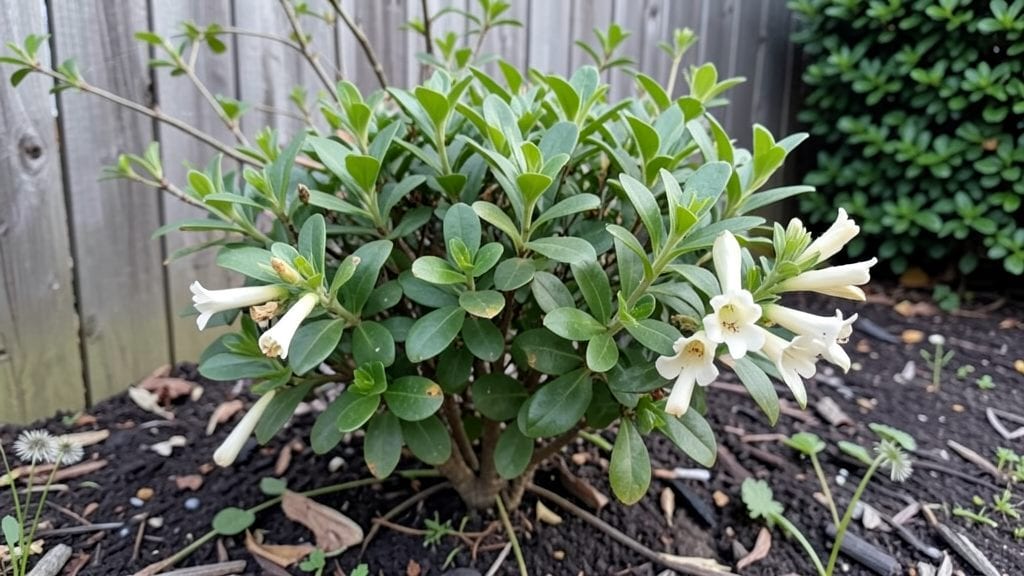
Standard Duranta plants bring year-round color with their glossy leaves and clusters of vibrant purple berries—plus, they barely need pruning once established. 🌿 I’ve grown them for years, and the secret to their low-maintenance beauty lies in the right soil, sunlight, and a few simple pruning tricks that keep them lush without the fuss.
These shrubs thrive in full sun to partial shade and tolerate a range of soils, though they prefer well-draining mixes with a touch of compost. Space them 6 to 8 feet apart for privacy hedges or as standalone specimens, and water deeply once a week—more in extreme heat.
A balanced fertilizer in spring kickstarts blooms, but they’re not fussy about feedings.
Pruning is where the magic happens: trim back leggy growth in late winter to encourage bushier shape, and lightly shape after flowering to keep the berries visible. Avoid heavy cuts, or you’ll sacrifice next year’s blooms.
With minimal effort, you’ll end up with a neighborhood-showcase shrub that flowers from summer through fall and stays green year-round.
They handle heat and humidity well, making them perfect for southern climates, but in colder zones, protect them with mulch or move potted plants indoors before frost. The berries are toxic, so plant them where kids and pets can’t reach—but the trade-off for that stunning color is worth it.
📚 In This Guide
- What you need
- Instructions
- Tips and common mistakes
- Wrapping up and next steps
What you need
- ● Duranta erecta (Pigeonberry) plant: 1 standard-sized plant (3–6 feet tall, depending on preference). Choose a healthy specimen with lush green foliage and minimal signs of pests.
- ● Well-draining potting soil: 1–2 bags (10–15 lbs each). Opt for a mix labeled for tropical or citrus plants (e.g., Miracle-Gro Potting Mix or Black Gold Natural & Organic).
- ● Container or in-ground planting space: For containers: A 5–7 gallon pot with drainage holes (diameter ≥ 12 inches). Terracotta or fiberglass pots work well.
- ● For in-ground: A sunny spot with 6+ hours of sunlight and soil with a pH of 6.0–7.5.
- ● Slow-release fertilizer: 1–2 tablets or granules (e.g., Osmocote Smart-Release Plant Food for 3–4 months of nutrients).
- ● Pruning shears: A bypass pruner (sharp, clean, and sanitized) for minimal shaping.
- ○ Mulch (optional but recommended): 1–2 bags of pine bark or shredded leaves (2–3 inches thick) to retain moisture.
- ● Gloves: A pair of gardening gloves (nitrile-coated for durability).
- ● Watering can or hose with a gentle spray nozzle: Duranta prefers consistent moisture but hates soggy roots.
- ● Support stake or trellis: If growing as a standard, a 6–8 ft bamboo stake or decorative metal trellis to train the trunk.
- ● Compost or worm castings: 1–2 cups to boost soil fertility (mix into the top 6 inches of soil).
- ● Plant tie or soft twine: For securing the plant to a stake during early growth.
- ● Pest control (preventative): Neem oil or insecticidal soap (if aphids or spider mites are a local issue).
Step-by-step guide to growing duranta standard plants
Here's how to cultivate these vibrant shrubs with minimal fuss—ideal for year-round color.
🌱 Step 1: Choose the Right Location and Prepare the Soil
Duranta thrives in full sun to partial shade, with at least 6 hours of sunlight daily. I always pick a spot with afternoon shade in hot climates to prevent leaf scorch. The soil should drain well—amend heavy clay with 2-3 inches of compost to improve aeration.
Dig a hole twice as wide as the root ball but only as deep. Loosen the roots slightly if they're pot-bound before placing the plant in. Backfill with native soil mixed with compost, then water deeply to settle everything. This ensures strong root establishment right from the start.
💧 Step 2: Water Deeply and Establish a Routine
Water newly planted duranta once a week for the first month, giving it 1 gallon per plant. After that, reduce to every 10-14 days unless your area experiences extreme heat or drought. Duranta is drought-tolerant once established, but consistent moisture helps roots spread.
Check soil moisture by sticking your finger 2 inches deep—water when it feels dry. Overwatering causes root rot, so always let the top inch dry between waterings. Mulch with 2-3 inches of organic mulch around the base to retain moisture and regulate temperature.
☀️ Step 3: Prune for Shape and Encourage Bushiness
Prune duranta in late winter or early spring before new growth begins. Use clean, sharp pruners to cut back 1/3 of the plant's height to encourage dense, bushy growth. This also removes any dead or crossing branches that could crowd the plant.
For standard plants, focus on shaping the main trunk and branches. Remove any suckers at the base to maintain a single-stemmed form. You'll see new growth within 2-3 weeks—this is your cue that the plant is responding well to pruning.
✂️ Step 4: Fertilize for Vibrant Blooms and Growth
Apply a balanced, slow-release fertilizer in early spring and again in midsummer. I use a 10-10-10 formula, spreading ½ cup per plant around the root zone. Water deeply after fertilizing to help nutrients reach the roots.
Duranta blooms best with regular feeding, but avoid overdoing it—too much fertilizer can lead to excessive foliage growth at the expense of flowers. Watch for dark green, glossy leaves as a sign the plant is thriving. If leaves yellow, cut back on fertilizer and focus on improving drainage.
🌿 Step 5: Monitor for Pests and Diseases
Inspect duranta regularly for signs of pests like aphids or spider mites. I spray plants with a mild insecticidal soap if I spot any pests, focusing on the undersides of leaves where they hide. Early intervention prevents infestations from spreading.
Duranta is generally disease-resistant, but fungal issues can arise in humid conditions. Improve airflow by pruning crowded branches and avoid overhead watering. If you notice black spots on leaves, treat with a fungicide and remove affected foliage promptly.
Tips & tricks for perfect duranta standard plants
Between us, growing these vibrant plants is easier than it looks—but these little details make all the difference for that lush, healthy look.
Sunlight Strategy: While duranta loves sun, I've learned the hard way that afternoon shade in hot climates prevents leaf scorch. If your plant starts showing brown edges, move it to a spot with filtered light for a few hours each afternoon. The 6 hours of sunlight should be morning sun when possible—it's gentler on the leaves.
Root Establishment Hack: When planting, don't just drop the root ball in the hole! Loosen those roots slightly if they're pot-bound—this encourages them to spread out immediately. The deep watering after planting is crucial too; I often add a handful of mycorrhizal fungi to the planting hole to boost root growth right from the start.
Pruning Precision: That 1/3 height reduction in Step 3 might seem drastic, but trust me on this—it's what creates that dense, bushy standard form. Always prune just above a leaf node where new growth will emerge. And here's what nobody tells you: the 2-3 week wait for new growth is your confirmation that the plant is happy and responding well.
Watering Wisdom: The "let top inch dry" rule works perfectly, but I've found that checking soil moisture at 2 inches deep gives me a more accurate picture of what the roots are experiencing. In containers, you'll need to water more frequently—every 5-7 days—since potting mix dries out faster than garden soil.
Pro Tips for Duranta Standard Plants
- Between us, growing these vibrant plants is easier than it looks—but these little details make all the difference for that lush, healthy look.
- Sunlight Strategy: While duranta loves sun, I've learned the hard way that afternoon shade in hot climates prevents leaf scorch.
- Root Establishment Hack: When planting, don't just drop the root ball in the hole!
Frequently asked questions
Got questions about keeping your duranta standard plants thriving? Here are answers to the most common ones—so you can enjoy their vibrant blooms with ease!
How often should I prune my duranta standard?
Prune your duranta lightly after flowering (late summer/early fall) to shape it and encourage bushier growth. Avoid heavy cuts—just trim back leggy stems by ⅓. Pro tip: Deadhead spent blooms to extend the flowering season!
Can duranta standards survive in full sun?
Yes! Duranta thrives in full sun (6+ hours/day), but in scorching climates (Zones 9–11), provide afternoon shade to prevent leaf scorch. Watch for: Yellowing leaves = too much sun; drooping = underwatering. Balance is key!
What’s the best soil mix for duranta standards?
Use well-draining soil (sandy loam or amended with perlite/compost). Duranta hates soggy roots! Mix in 10% organic matter (like coconut coir) for nutrients. Alternative: Container growers can use a 60/40 blend of potting mix + perlite.
Why are my duranta leaves turning yellow?
Yellow leaves usually mean overwatering or poor drainage. Let soil dry 1–2 inches deep between waterings. Check for pests (aphids, spider mites) too—spray with neem oil if needed. Fix fast: Repot if roots are waterlogged!
Are duranta standards toxic to pets?
Yes!
All parts of duranta (leaves, berries, stems) are toxic to dogs, cats, and horses due to alkaloids. Keep plants out of reach or opt for pet-safe alternatives like bougainvillea or hibiscus. Symptoms: Drooling, vomiting, lethargy—call a vet if ingested.
Wrapping up and next steps
Duranta standard plants are a low-maintenance yet high-reward choice for year-round color in your garden or landscape.
Their vibrant blooms, compact growth, and minimal pruning needs make them perfect for busy gardeners or beginners—plus, they’re a pollinator magnet! 🌸 Whether you’re adding them as a focal point or companion plant, their resilience and beauty will keep your outdoor space lively with minimal effort.
Ready to bring some duranta drama to your garden? Start by selecting a healthy plant, finding the right spot, and giving it the care it thrives on. Your next step? Grab a pair of pruners, pick a sunny day, and get planting—your future self (and pollinators!) will thank you. 🌿✨