
Pests
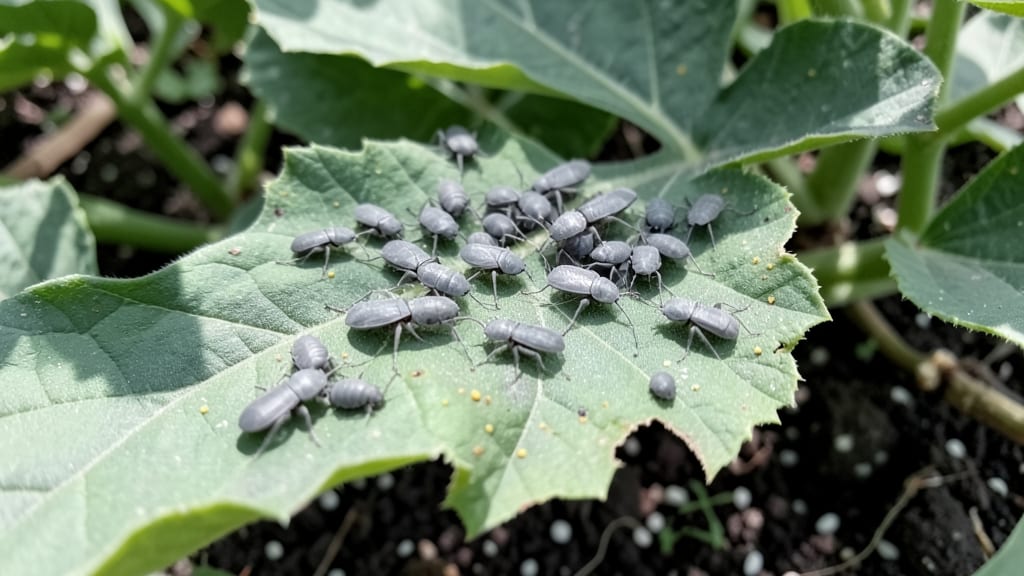
Gray squash bugs on plants turn your summer harvest into a nightmare faster than you can say "squash blossoms." I’ve watched these shield-shaped pests suck the life out of zucchini and pumpkins in just days—leaving behind yellowing leaves and sticky residue that ruins fruit.
The good news? You don’t need harsh chemicals to stop them. With the right early action, you can save your plants and still enjoy homegrown squash by season’s end.
Here’s the thing—these bugs aren’t just annoying; they’re sneaky. Most gardeners mistake them for aphids or beetles at first, but squash bugs hide under leaves or along stems, only revealing themselves when they’re ready to feed.
Their life cycle is brutal too: eggs hatch in about a week, and those tiny nymphs start damaging plants before you even notice. The key is catching them before they multiply, which means checking your plants every few days once they appear.
You’ll feel relief when you see your plants bounce back after just a few targeted treatments. A simple soap spray or neem oil mix disrupts their feeding, while hand-picking adults (and crushing them—sorry, not sorry) breaks their life cycle.
Row covers in early spring and trap crops like bush beans can prevent them entirely. The payoff? Healthy vines, plump fruit, and no more gray invaders lurking in your garden.
This works for all squash family plants—zucchini, pumpkins, cucumbers, even melons—and adapts to any garden size. The sooner you act, the better your harvest. Let’s get those bugs off your plants for good.
Root Causes of Gray Invaders
Gray bugs on your squash plants aren’t just a random nuisance—they’re usually the work of squash bugs (Anasa tristis) or stink bugs (family Pentatomidae), both of which thrive under specific conditions.
Understanding why these pests target your garden is the first step to stopping them before they wreck your harvest. Let’s break down the science behind their behavior and the environmental triggers that turn your squash patch into an all-you-can-eat buffet.
Squash bugs and their kin have a nose for weakness. When your plants are stressed—whether from poor spacing, nutrient deficiencies, or overwatering—they release volatile organic compounds (VOCs) that act like a dinner bell.
These pests are drawn to: - Thin, stunted vines (common in overcrowded beds where plants compete for sunlight). - Yellowing leaves (a sign of nitrogen deficiency or fungal issues like powdery mildew). - Wilted or damaged foliage (which exposes tender new growth, a favorite snack).
Why it matters: Healthy plants produce bitter-tasting sap that deters pests. When they’re struggling, their defenses drop, making them easy targets. Actionable fix: Space squash plants 3–4 feet apart and monitor soil pH (aim for 6.0–7.0) to keep them robust.
These gray bugs love heat and drought.
Their life cycle accelerates in temperatures above 75°F (24°C), and they seek out: - South-facing garden beds (which bake faster in sunlight). - Mulch-free soil (dry conditions stress plants and attract egg-laying adults). - Weedy or rocky areas nearby (which provide shelter from predators and pesticides).
Why it matters: Eggs hatch faster in warm soil, and adult bugs become more active, leading to explosive infestations in weeks. Actionable fix:
- Use organic mulch (straw or grass clippings) to retain moisture.
- Plant squash near fast-growing cover crops (like clover) to cool the soil.
- Avoid overhead watering in the evening (humidity encourages fungal diseases that weaken plants).
Gray bugs face few threats in a monoculture garden (one where only squash or cucurbits grow). Their predators—like spider mites, parasitic wasps, and ground beetles—need diverse ecosystems to thrive.
Without them, squash bugs: - Lay eggs in mass clusters (up to 30 eggs per female) on the undersides of leaves. - Feed undisturbed for weeks, draining sap and transmitting plant diseases like bacterial wilt.
Why it matters: A garden with only squash is like a buffet with no bouncers. Actionable fix:
- Interplant with herbs (basil, dill, or marigolds) to attract predatory wasps.
- Install beneficial nematodes (Steinernema carpocapsae) in the soil to target eggs.
- Add pollinator-friendly flowers (like alyssum or cosmos) to boost the food chain.
Squash bugs are overwintering masters. Adults hide in:
- Leaf litter from last year’s harvest.
- Weeds (especially smartweed or pigweed).
- Garden tools or wooden structures near the patch.
Why it matters: If you didn’t clean up after last season, you’re basically rolling out the welcome mat. Actionable fix:
- Rake and remove all plant debris before spring (even from corners).
- Solarize the soil in late summer (cover beds with clear plastic for 4–6 weeks to kill hibernating bugs).
- Rotate crops—don’t plant squash, pumpkins, or cucumbers in the same spot yearly.
Gray bugs exploit disorganized gardens. Issues like:
- Volunteer squash plants (wild or escaped from last year).
- Cracked or rotting fruit (which attracts adults for moisture).
- Unpruned vines (dense foliage traps heat and humidity, perfect for egg-laying).
Why it matters: A messy garden = more hiding spots and food sources. Actionable fix:
- Remove all squash family plants (even "weedy" ones) by late fall.
- Harvest promptly—don’t leave overripe or damaged fruit on the vine.
- Prune regularly to improve airflow and reduce humidity.
Some areas are hotspots for squash bugs due to:
- Humid climates (like the Southeast U.S.), where bugs thrive year-round.
- Drought-prone regions, where stressed plants become easy targets.
- Urban gardens near wild patches (bugs hitchhike on wind or wildlife).
Why it matters: If your region is prone to infestations, prevention is key. Actionable fix:
- Monitor local pest reports (extension offices often track outbreaks).
- Use row covers early in the season to block flying adults.
- Choose resistant varieties (like ‘Early Prolific Straightneck’ squash, which some bugs avoid).
Quick Fixes for Squash Bug Woes
Gray bugs on your squash plants? Don’t panic—these pests are manageable with the right approach! Below, we’ll break down targeted solutions based on the root cause (whether it’s eggs, nymphs, or adults) and provide prevention tips to keep your garden thriving.
These methods are organic, effective, and won’t harm your harvest if done correctly.
Adult squash bugs are slow-moving and easy to spot with their gray, shield-like bodies. The fastest way to reduce their numbers is to remove them manually—just don’t crush them (their scent attracts others!).
How to do it:
- 👨🍳 Scan your plants early in the morning when bugs are sluggish (they hide under leaves during the day).
- 🔪 Drop them into soapy water (a bucket with 1 tbsp dish soap + water) to kill them instantly.
- 🌡️ Check daily—repeat for 3–5 days to break their life cycle.
Pro tip: 💡 Wear gloves—some gardeners report squash bugs can cause skin irritation!
Squash bugs lay clustered, grayish eggs on the undersides of leaves. If you catch them early, you can prevent a full-blown infestation.
How to do it:
- 🔍 Inspect leaves (especially near stems and veins) for tiny, football-shaped egg masses.
- 🧼 Scrape them off with a plastic spoon or your fingernail into soapy water.
- 👶 For nymphs (smaller, black-and-white bugs), gently brush them into a jar of soapy water.
Prevention tip: ✨ Prune lower leaves regularly to remove hiding spots where eggs are laid.
If handpicking isn’t enough, organic sprays can deter squash bugs without harming your squash or beneficial insects.
Best DIY sprays:
| Solution | How to Use | Frequency |
|---|---|---|
| Neem oil spray | Mix 1 tbsp neem oil + 1 tsp mild soap + 1 quart water. Spray evening/early morning to avoid harming bees. | Every 5–7 days until bugs are gone. |
| Kaolin clay (Surround WP) | Sprinkle powder directly on leaves or mix with water for a spray. Creates a barrier bugs dislike. | Reapply after rain or every 2 weeks. |
| Garlic/chili pepper spray | Blend 4 garlic cloves + 1 tbsp cayenne + 1 quart water. Strain and spray. | Every 3–4 days. |
⚠️ Warning: Avoid malathion or carbaryl (chemical pesticides)—they can harm your squash and beneficial insects!
The best defense is a good offense. Use trap crops and physical barriers to keep squash bugs away from your main plants.
How to set it up:
- 🌱 Plant a trap crop like zucchini or pumpkins 10+ feet away from your squash. Bugs will go for these first!
- 🛡️ Use row covers (fine mesh) over young squash plants until they’re established (about 4–6 weeks).
- 🪴 Mulch with straw or grass clippings—this disrupts their movement and makes your garden less appealing.
Pro tip: 🎯 Rotate crops yearly to break the squash bug life cycle!
Instead of fighting squash bugs alone, let nature help! These predators love to eat them:
- 🐞 Spined soldier bugs (look like tiny alligators)
- 🐝 Parasitic wasps (they lay eggs in squash bug eggs)
- 🦋 Ladybugs & lacewings (devour nymphs)
How to attract them:
- 🌼 Plant companion flowers like dill, fennel, or marigolds near your squash.
- 💧 Avoid pesticides—they kill helpful bugs too!
- 🌿 Leave some garden "wild" (weeds, leaf litter) for predators to thrive.
To minimize future squash bug problems, follow this simple routine:
✅ 🌱 Plant squash later in the season (after the first frost risk has passed). ✅ 🚫 Remove old squash vines in fall (bugs overwinter in debris). ✅ 💦 Water at the base (not overhead)—wet leaves attract bugs. ✅ 🕵️♂️ Inspect plants weekly (early detection = easier control). ✅ 🌿 Use reflective mulch (aluminum foil or silver plastic) to confuse bugs.
Final thought: With consistent monitoring and a mix of these methods, you can keep squash bugs under control without sacrificing your harvest. The key is acting fast—once they’re established, they multiply quickly! 🚀
Frequently asked questions
What do gray bugs on squash plants look like up close?
Gray squash bugs have flat, shield-shaped bodies about 1/2-inch long, with grayish wings that fold over their backs. Their nymphs (baby stage) are black with white markings and look like tiny alligators. Look for them hiding under leaves or along stems—adults release a strong odor when crushed, which is how they got their name!
How do I tell if these gray bugs are squash bugs vs. stink bugs?
Squash bugs have parallel sides and pointed heads, while stink bugs are more oval-shaped with smoother edges. Both are gray, but squash bugs lay football-shaped egg clusters on leaf undersides, while stink bugs prefer to hide in leaf litter or soil. Check for these clues to confirm which pest you’re dealing with!
Can I use dish soap to kill squash bugs?
Yes! Mix 1 tablespoon dish soap with 1 quart water in a spray bottle and apply directly to bugs. The soap disrupts their protective outer layer. For best results, spray early morning or evening to avoid harming bees. Repeat every 3–4 days until the infestation clears.
Will neem oil work on squash bug eggs?
Neem oil is most effective against adult bugs and nymphs, but it won’t kill eggs directly. To stop the life cycle, scrape off egg clusters first, then apply neem oil spray. The oil disrupts feeding and reproduction, making it a great preventive measure when used regularly.
How long does it take to eliminate a squash bug infestation?
With consistent action, you can see results in 7–10 days. The key is to remove adults and eggs daily while using sprays like neem oil or kaolin clay. If you wait too long, nymphs will hatch and multiply quickly—so act fast! Persistence is the best strategy.