
Companion Plants
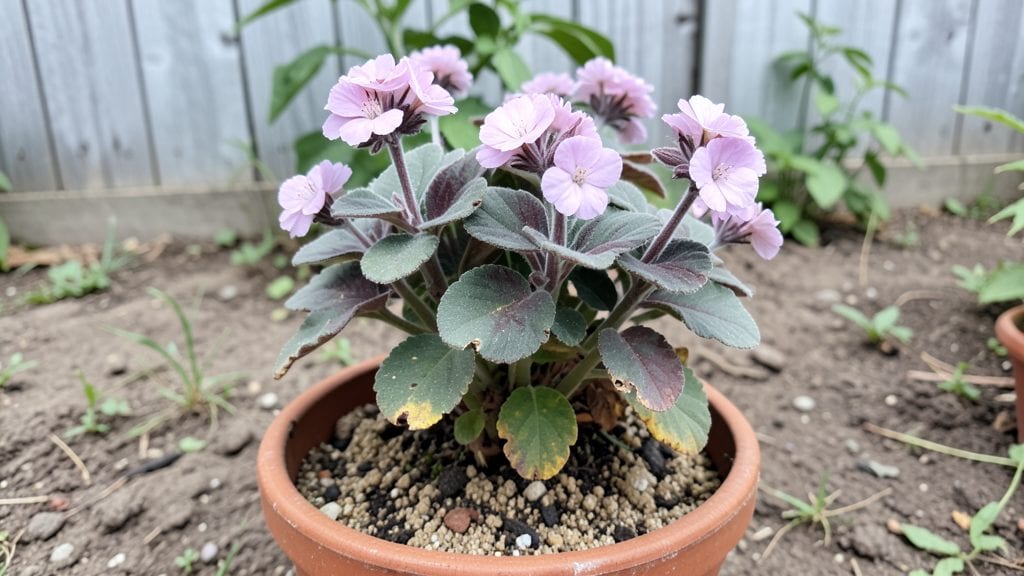
If you love the look and fragrance of geraniums but want perennials that keep coming back every year, you’re in luck. 🌿 The plant world has plenty of geranium-like alternatives—think Pelargonium cousins, Coleus with its velvety leaves, and Begonias that bloom like confetti.
These aren’t just fillers; they’re the backbone of fragrant borders, shade gardens, and even container displays.
The key to their success? Most thrive in partial shade to full sun, with well-draining soil that mimics their natural habitats. Overwatering is the silent killer—let the top inch dry out between waterings, and you’ll avoid the sad, wilted look that ruins their charm.
I’ve found that grouping them with lavender or salvia creates a fragrant powerhouse that deters pests while filling the air with scent.
You’ll end up with gardens that stay lush through summer heat and even winter in milder climates. The Pelargonium types bring that classic geranium fragrance, while Begonias add jewel-toned blooms that last for months.
These plants are the unsung heroes of low-maintenance gardening—just give them space to breathe, and they’ll reward you with color and aroma year after year.
Whether you’re filling a sunny windowsill, a shady corner, or a mixed border, these geranium-like perennials adapt beautifully. Start with one or two varieties to test what thrives in your space, and soon you’ll have a garden that smells as good as it looks.
The best part? They’re tough enough to handle beginner mistakes—just don’t drown them!
📚 In This Guide
- What you need
- Instructions
- Tips and common mistakes
- Wrapping up and next steps
What you need
- ● Seeds or nursery plants: 10–20 seeds (if starting from scratch)
- ● OR 3–5 healthy nursery plants (for faster results)
- ● Well-draining potting mix: 5–10 gallons (or enough to fill containers/beds)
- ● Containers or garden bed: Containers: 6–12" diameter pots (1 per plant)
- ● OR a sunny garden bed with loose, fertile soil
- ● Organic compost or fertilizer: 1–2 cups (balanced 10-10-10 or slow-release granules)
- ○ Mulch (optional but recommended): 1–2 inches of shredded bark or straw
- ● Gloves & trowel (for planting)
- ● Spray bottle or watering can (for gentle hydration)
- ● Pruning shears (for deadheading & shaping)
- ● Sunlight access: 6+ hours of direct sun daily (adjust for shade-tolerant varieties)
- ● Drip irrigation or hose (for larger garden beds)
Step-by-Step guide to cultivating fragrant geranium-like perennials
These hardy, aromatic plants bring color and scent to gardens effortlessly—here’s how to grow them like a pro.
🌱 Step 1: Select and Prepare the Perfect Planting Site
Choose a location with at least 6 hours of sunlight daily, as geranium-like perennials thrive in bright conditions. I always test the soil first with a pH kit—ideal range is 6.0-7.0. If your soil is heavy clay, amend it with 2-3 inches of compost mixed into the top 12 inches to improve drainage and aeration.
These plants hate soggy roots, so raise beds slightly if your area holds water. I dig a shallow trench around the planting area to redirect excess moisture away from the roots. Mark the spot with stakes to avoid disturbing the soil later.
🌿 Step 2: Plant with Proper Spacing for Airflow
Dig holes twice as wide as the root ball but only as deep as the container’s base. Gently remove plants from their pots and loosen tangled roots with your fingers. Place each in its hole, then backfill with native soil, pressing lightly to eliminate air pockets.
Space plants 18-24 inches apart—crowding leads to fungal diseases and weak stems. Water deeply right after planting to settle the soil and encourage root contact. You’ll see the first flush of new growth within 2-3 weeks if conditions are right.
☀️ Step 3: Water and Fertilize for Lush Growth
Water 1 inch per week, aiming for the soil—not the leaves—to prevent mildew. I use a soaker hose to deliver moisture slowly at the base. Mulch with 2-3 inches of organic mulch (like shredded bark) to retain moisture and suppress weeds, but keep it 2 inches away from stems to avoid rot.
Feed with a balanced 10-10-10 fertilizer every 6 weeks during the growing season. Stop fertilizing in late summer to encourage hardiness before winter. You’ll notice vibrant foliage and abundant blooms within 4-6 weeks of consistent care.
✂️ Step 4: Prune and Maintain for Year-Round Beauty
Deadhead spent blooms regularly to prolong flowering and redirect energy to new growth. In early spring, cut back leggy stems by one-third to encourage bushier, more compact plants. I always sterilize pruners with rubbing alcohol between cuts to prevent disease spread.
Geranium-like perennials are tough, but watch for aphids or powdery mildew. Spray affected areas with neem oil if you spot these pests early. With proper care, these plants reward you with fragrance and color for 10+ years.
Tips & tricks for perfect fragrant perennial gardens
Between us, these aromatic plants are easier to grow than most people think—but a few simple tricks make all the difference. Here's what nobody tells you about keeping them thriving for years.
Sunlight Secret: The 6 hours of sunlight mentioned in Step 1 is non-negotiable, but I've found that morning sun (6am-12pm) is even better than afternoon heat. If your garden gets intense afternoon sun, provide some afternoon shade during peak summer months to prevent leaf scorch. I've seen plants wilt dramatically when suddenly exposed to full afternoon sun after being in partial shade.
Soil Prep Game-Changer: Don't just add compost—mix it thoroughly into the top 12 inches of soil as instructed, but also consider adding a handful of perlite or coarse sand to improve drainage if your soil is particularly dense. I learned this the hard way after seeing roots rot in heavy clay. The trench idea is brilliant for redirecting water, but only dig it if you notice water pooling after rain—otherwise, you're just creating extra work.
Planting Precision: When digging those holes twice as wide as the root ball, make sure the sides are gently sloped rather than vertical. This encourages roots to spread outward rather than stay concentrated in a tight ball. Also, avoid pressing down too firmly when backfilling—just enough to eliminate air pockets, but don't compact the soil. I've noticed plants with overly compacted soil struggle to establish properly.
Watering Wisdom: The 1 inch per week guideline works, but I've found that watering deeply 2-3 times per week (about ½ inch each time) is even better for these plants. This encourages deeper root growth and prevents surface evaporation. And remember—the soaker hose is your best friend, but if you don't have one, water at the base early in the morning to prevent fungal issues from evening moisture.
Pro Tips for Geranium Like Plants
- Between us, these aromatic plants are easier to grow than most people think—but a few simple tricks make all the difference.
- Sunlight Secret: The 6 hours of sunlight mentioned in Step 1 is non-negotiable, but I've found that morning sun (6am-12pm) is even better than afternoon heat.
- I learned this the hard way after seeing roots rot in heavy clay.
Frequently asked questions
Got questions about geranium-like plants?
You’re not alone! Here are some of the most common queries—plus quick, practical answers to help you grow and enjoy these fragrant beauties with confidence.
What are the best geranium-like plants for beginners?
Start with Pelargonium (zonal or ivy geraniums) or Geranium macrorrhizum (cranesbill). They’re hardy, low-maintenance, and thrive in pots or garden beds. Avoid fussy varieties like Regal Pelargoniums—they need more care and warmth.
When is the best time to plant geranium-like plants?
For outdoor planting, wait until after the last frost (spring) in your zone. If starting indoors, sow seeds 8–10 weeks before the last frost. Pelargoniums can also be planted in late spring or early summer for a fall bloom.
How often should I water geranium-like plants?
Water when the top inch of soil feels dry—usually every 2–3 days in summer (more often in pots). Overwatering causes root rot, so ensure pots have drainage holes and avoid soggy soil. Geranium macrorrhizum is drought-tolerant once established!
Why are my geranium leaves turning yellow or spotted?
Yellow leaves often mean overwatering or poor drainage. Spots could signal fungal diseases (like powdery mildew) or pests (aphids, spider mites). Fix it: Trim affected leaves, improve airflow, and spray with neem oil if pests are the culprit.
Can I grow geranium-like plants indoors year-round?
Yes! Pelargoniums and Geranium robertianum (woodland geranium) adapt well to bright, sunny windowsills or under grow lights. Use well-draining potting mix and rotate pots weekly for even growth. Watch for leggy stems—a sign they need more light!
What’s a great alternative if I hate deadheading?
Try Geranium sanguineum (blood-red cranesbill) or Heuchera (coral bells). Both produce self-cleaning blooms and thrive in shade to part sun. Heuchera also adds year-round foliage interest with its vibrant leaves!
Wrapping up and next steps
Geranium-like plants are a fantastic addition to any garden, offering fragrance, beauty, and year-round resilience with minimal fuss. Whether you’re drawn to their vibrant blooms, pest-repelling properties, or low-maintenance charm, these perennials bring joy and practical benefits to your outdoor space. 🌿
Now that you’re equipped with the know-how to grow and care for them, why not take the next step? Pick your favorite variety, grab some cuttings or seeds, and start your own fragrant oasis today! Happy gardening—your future garden will thank you. 🌸