
Pruning
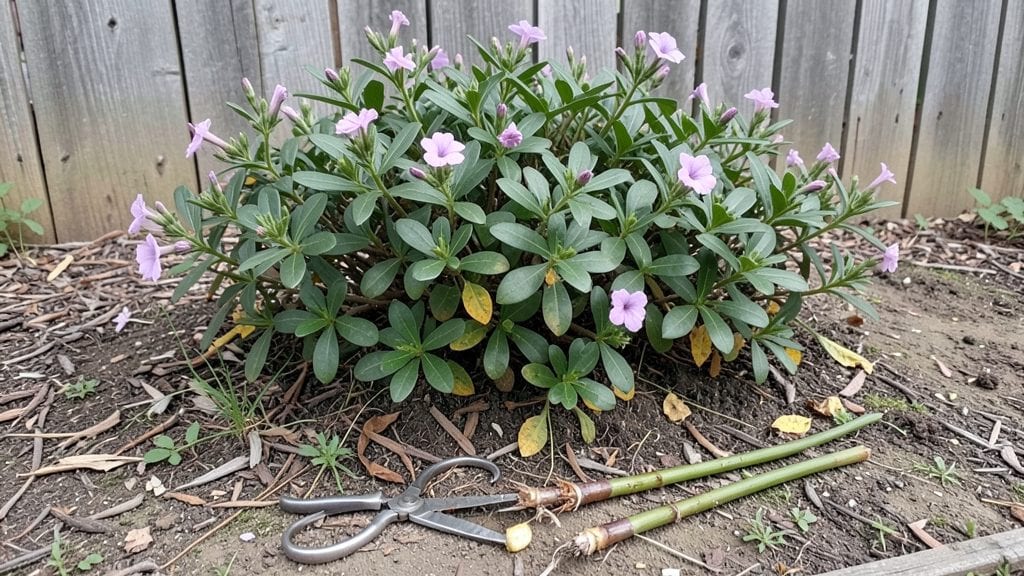
Pruning vinca plants keeps them looking shockingly lush all year—no matter how much they sprawl or bloom. I’ve learned the hard way that skipping this step means leggy, sparse plants that give up on flowers by summer’s end.
The key is timing: three strategic cuts at just the right moments transform vinca from a wild tangle into a dense, blooming machine.
You’ll need sharp pruners, a pair of gloves, and about 30 minutes—plus a little patience. Start in early spring before new growth kicks in, then repeat after the first flush of blooms fades, and once more in late summer to shape for fall.
Most people overlook that final trim, which is why their vinca looks tired by October. The goal? Encourage bushier growth by cutting back about a third of the plant each time, always just above a leaf node.
By following this schedule, you’ll end up with vinca so thick and full it looks like a professional landscaper did the work. The plants stay compact, bloom longer, and bounce back from heat and drought better than unpruned ones.
Plus, the flowers keep coming—even in late summer when most annuals have given up. Ready to turn your vinca from scraggly to stunning?
Works for both in-ground vinca and container plants, and the same technique applies whether you’re dealing with the classic purple or newer variegated varieties. The only difference? Variegated types need slightly more care to preserve their leaf patterns—but that’s a story for another time.
📚 In This Guide
- What you need
- Instructions
- Tips and common mistakes
- Wrapping up and next steps
What you need
- ● Pruning shears: Bypass pruners (sharp, 5–7" blades) for clean cuts—1 pair (sterilized with rubbing alcohol).
- ● Hand pruners: Bypass or anvil type (for smaller stems) – 1 pair.
- ● Gloves: Heavy-duty garden gloves (protects from thorns and sap) – 1 pair.
- ● Disinfectant: 70% isopropyl alcohol or bleach solution (1:9 ratio) – small bottle.
- ● Trash bag: Heavy-duty, 30+ gallon for debris – 1–2 bags.
- ○ Watering can: 5-gallon capacity (for post-prune hydration) – optional but handy.
- ● Mulch: Shredded bark or pine straw (1–2 inches) – 5–10 sq. ft. coverage.
- ● Spring: Fertilizer (balanced 10-10-10 or slow-release granules) – 1–2 lbs per 100 sq. ft..
- ● Summer: Shade cloth (30–50% coverage) – if pruning midday.
- ○ Fall: Anti-desiccant spray (optional, for tender new growth) – small bottle.
Instructions for pruning vinca plants to keep them thriving
Here’s how to maintain your vinca’s full, bushy growth through every season.
Prune Early Spring for New Growth
Start by cutting back the previous year’s growth by about one-third using clean, sharp pruning shears. Focus on removing any dead, damaged, or crossing branches first—these compete with healthy growth for energy. I like to make cuts just above a leaf node or outward-facing bud to encourage outward growth rather than inward.
After trimming, step back and assess the plant’s shape. Vinca responds well to shaping, so don’t be afraid to trim uneven areas to create a balanced silhouette. This early prune also removes any winter-damaged foliage, giving your plant a fresh start. Water deeply after pruning to help the plant recover and support new growth.
Light Mid-Summer Trim to Encourage Fullness
About 6-8 weeks after your first prune, give your vinca another trim to maintain its shape and density. Look for leggy stems or branches that have grown too long—they’ll often be the ones reaching outward instead of filling in. Cut these back by half their length, making sure to trim just above a leaf node.
This mid-season trim prevents the plant from becoming too woody or sparse. You’ll notice new side shoots forming within 2-3 weeks—that’s your signal the plant is responding well. Avoid heavy pruning now, though; vinca can handle light trims better than drastic cuts during the growing season.
Late Summer Cleanup for Fall Readiness
In late summer, focus on removing any spent flowers and lightly shaping the plant again. Vinca blooms continuously, so deadheading spent blooms encourages more flowers and keeps the plant looking tidy. Use your fingers or small pruners to pinch off faded flowers at their base—no need for heavy cuts here.
This is also the time to thin out overly crowded branches to improve airflow, which helps prevent fungal issues. If your vinca has outgrown its space, you can trim back longer stems by one-quarter to control its size. Stop pruning by mid-to-late fall to allow the plant to harden off before winter.
Minimal Winter Pruning to Prepare for Spring
If your vinca looks ragged after winter, give it a light cleanup in early spring before new growth starts. Remove only the most damaged or dead stems—never prune more than 10-15% of the plant in winter. Vinca is tough and can handle cold, but harsh pruning now stresses it unnecessarily.
Resist the urge to prune for shape in winter; the plant’s natural dormancy means it won’t respond well to heavy cuts. Instead, focus on removing dead foliage and any branches that look mushy or discolored. Once temperatures warm and new growth appears, you can resume regular pruning.
Tips & tricks for pruning vinca plants
A few key insights will help you keep your vinca looking its best year after year without stressing the plant.
The Timing Secret: The 6-8 week window between your early spring prune and mid-summer trim is crucial. This timing allows vinca to recover from the first cut and develop new growth before you shape it again. I've found that pruning too early in summer can stress the plant when it's already working hard to establish roots and foliage after spring.
Cutting Technique Matters: When you trim back by one-third in spring or half the length in summer, always make clean cuts just above a leaf node or outward-facing bud. This simple technique encourages the plant to grow outward rather than inward, creating that full, bushy look. I learned this the hard way after pruning too close to buds and ending up with sparse growth in those areas.
Seasonal Adjustments: The late summer cleanup is where you can be more flexible with your one-quarter trim. If your vinca has really outgrown its space, you might need to trim back slightly more to control its size. Just remember to stop pruning by mid-to-late fall to give the plant time to harden off before winter. This seasonal tapering prevents winter damage and ensures a strong start in spring.
Winter Pruning Wisdom: That 10-15% maximum for winter cleanup is non-negotiable. I've seen gardeners over-prune in winter and end up with plants that struggle to bounce back in spring. Focus only on removing truly damaged stems—healthy-looking branches can wait until spring's early prune when the plant is ready to respond to shaping.
Pro Tips for Pruning Vinca Plants
- A few key insights will help you keep your vinca looking its best year after year without stressing the plant.
- The Timing Secret: The 6-8 week window between your early spring prune and mid-summer trim is crucial.
- Cutting Technique Matters: When you trim back by one-third in spring or half the length in summer, always make clean cuts just above a leaf node or outward-facing bud.
Frequently asked questions
Got questions about keeping your vinca plants thriving with the right pruning? You’re not alone! Here are answers to the most common queries—so you can prune with confidence and enjoy year-round lushness.
When is the best time to prune vinca plants?
Prune vinca plants three times a year: early spring (to encourage new growth), mid-summer (to shape and control size), and late fall (to clean up before winter). Avoid pruning during extreme heat or cold, as this can stress the plant.
How much can I cut back vinca plants without harming them?
You can safely prune vinca plants by up to one-third of their height at a time. For example, if your plant is 2 feet tall, cutting it back to 1.5 feet is ideal. Avoid over-pruning, as this may reduce flowering or weaken the plant.
Will pruning vinca plants encourage more flowers?
Yes! Regular pruning stimulates bushier growth and more blooms. Focus on trimming back leggy stems and spent flowers (deadheading) to redirect energy toward new flower production. Just avoid cutting into woody stems, as vinca is semi-evergreen and benefits from some structure.
What should I do if my vinca looks sad after pruning?
If your vinca appears stressed post-pruning, it’s likely just adjusting. Water deeply and avoid fertilizing for a few weeks to help it recover. Yellowing leaves or sparse growth may signal over-pruning—stick to the one-third rule next time. With proper care, it’ll bounce back!
Can I use vinca prunings for propagation?
Vinca cuttings root easily. Take 3-4 inch tip cuttings in spring or summer, strip the lower leaves, and dip in rooting hormone. Plant in moist potting mix and keep in bright, indirect light until roots form (usually 2-4 weeks). It’s a great way to expand your vinca garden for free!
Wrapping up and next steps
Pruning your vinca plants is your secret weapon for year-round vibrancy—just three seasonal trims can transform them into lush, thriving stars of your garden! 🌿 Whether you’re shaping for aesthetics or encouraging new growth, the key is timing, technique, and consistency.
With the right tools and a little patience, you’ll enjoy healthier plants, fuller blooms, and that satisfying “I did this!” moment every time.
Ready to take the next step? Grab your pruners, mark your calendar, and start with a spring refresh—your vincas will thank you! 🌸