
Companion Plants
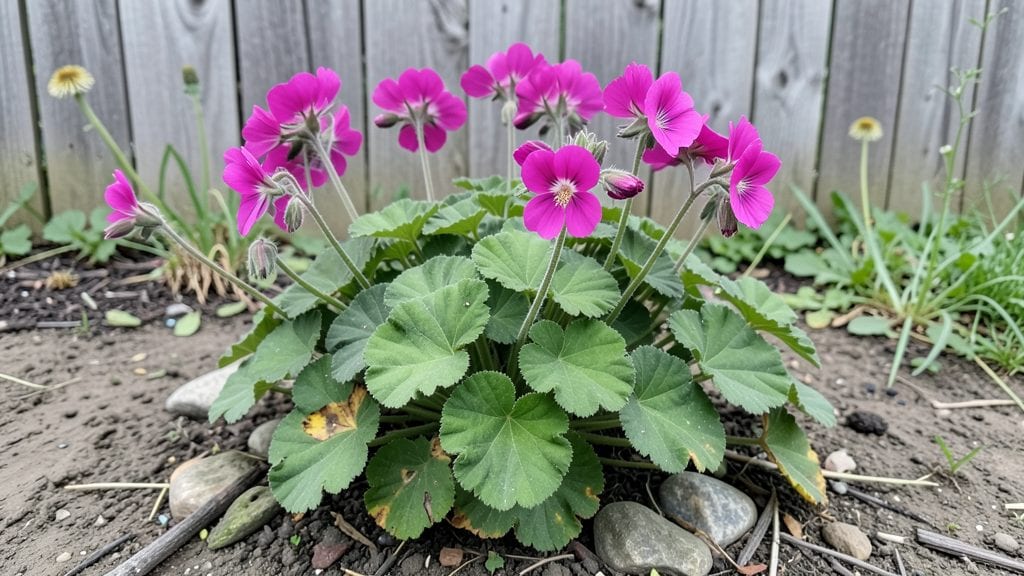
The geranium family plants bring bold color and effortless charm to sunny spots—no wonder they’re a garden staple. 🌿 I’ve grown them for years, and the secret to their success lies in matching their love of light with the right soil and spacing.
These plants aren’t just pretty; they’re tough, fragrant, and perfect for borders, containers, or even hanging baskets where they spill over with vibrant blooms.
Most thrive in full sun, though a few tolerate light shade, and they’re happy in average garden soil as long as it drains well. Water when the top inch feels dry, but don’t let them sit in soggy soil—that’s the fastest way to lose them.
Zonal geraniums and ivy geraniums are the easiest to grow, while scented geraniums reward you with lemony or rose-like fragrance when you brush their leaves.
Once established, these perennials (or tender perennials in colder climates) reward you with nonstop blooms from spring through frost. The key to keeping them productive? Deadheading spent flowers and pinching back leggy growth in early summer. They’ll bounce back stronger, and your garden will stay lively until fall.
Whether you’re filling window boxes, brightening a patio, or lining a walkway, geraniums adapt beautifully. They pair well with lavender, salvia, and ornamental grasses, creating a low-maintenance, high-impact display. Ready to add some sun-loving color that’s as easygoing as it is striking?
📚 In This Guide
- What you need
- Instructions
- Tips and common mistakes
- Wrapping up and next steps
What you need
- ● Well-draining potting mix: 10–15 gallons (for containers) or 2–3 cubic yards (for in-ground planting). Use a blend of peat moss, perlite, and compost (ratio: 2:1:1).
- ● Geranium family plants: 3–5 healthy nursery starts (choose varieties like Pelargonium graveolens for fragrance or Geranium macrorrhizum for ground cover).
- ○ Containers (optional): 6–8-inch pots with drainage holes (1 pot per plant) or a raised bed (4’x4’ for 4–6 plants).
- ● Slow-release fertilizer: 1 lb of 10-10-10 or 5-10-5 formula (sprinkle 1 tbsp per plant at planting).
- ● Mulch: 2–3 inches of organic mulch (e.g., shredded bark or straw) to retain moisture and suppress weeds.
- ● Garden trowel or hand shovel: For transplanting and soil amendments.
- ● Pruning shears: Sharp, sterilized shears for trimming dead blooms or leggy stems.
- ● Watering can or hose with a gentle nozzle: Geraniums prefer consistent moisture but hate soggy roots.
- ○ Gloves (optional): To protect hands from prickly stems or soil.
- ○ pH testing kit (optional): Ideal soil pH for geraniums is 6.0–7.0.
- ● Sunlight: A full-sun location (6+ hours/day)—geraniums thrive in bright light!
- ● Drainage: Ensure no standing water; geraniums hate wet feet.
- ● Spacing: 12–18 inches apart for in-ground plants; container plants need no crowding.
- ● Patience: These perennials may take 2–3 weeks to show full vigor after planting.
Step-by-Step guide to cultivating thriving geranium family plants
Here’s how to grow fragrant, sun-loving perennials that come back stronger each year.
🌱 Step 1: Choose the Right Spot and Soil
Geranium family plants—like hardy geraniums, cranesbills, and wild bergamots—thrive in full sun to partial shade, with at least 6 hours of sunlight daily. I always pick a location with well-draining soil, as soggy roots lead to root rot. Amend heavy clay soil with 2-3 inches of compost to improve drainage and fertility.
Test your soil’s moisture by squeezing a handful—if it stays clumped, add sand or perlite. These plants tolerate dry conditions once established, but young roots need consistent moisture. Avoid low-lying areas where water pools after rain.
🪴 Step 2: Plant at the Right Depth and Spacing
Dig holes twice as wide as the root ball but only as deep as the container’s base. Gently loosen roots if they’re circling and place the plant so the top of the root ball sits level with the soil surface—burying too deep suffocates stems. Space plants 12-18 inches apart for air circulation, which prevents fungal diseases like powdery mildew.
Fill the hole with soil, pressing lightly to remove air pockets. Water deeply right after planting to settle the soil and encourage root contact. Mulch with 1-2 inches of shredded bark to retain moisture and suppress weeds, but keep mulch 2 inches away from stems to avoid rot.
☀️ Step 3: Water Deeply but Infrequently
Water once a week during the first growing season, soaking the soil 6 inches deep. You’ll know it’s enough when water runs out the drainage holes. After establishment, these plants are drought-tolerant—water only when the top 2 inches of soil feel dry. Overwatering causes yellow leaves and weak stems.
Water at the base of the plant in the morning to reduce evaporation and fungal risks. Avoid wetting foliage, as geraniums are prone to leaf spot diseases. If your area has heavy clay soil, water less frequently but more deeply to encourage deep root growth.
✂️ Step 4: Prune for Bushier Growth and Fragrance
Cut back one-third of the plant’s height in early spring to encourage new, bushier growth. Use clean, sharp pruners to make cuts just above a leaf node. This also removes dead or damaged stems, improving airflow and reducing disease risk.
Deadhead spent blooms regularly throughout the season to redirect energy into more flowers and fragrance. I pinch back leggy stems in late summer to promote compact growth. Avoid heavy pruning after mid-August, as new growth won’t harden off before winter.
🌿 Step 5: Overwinter for Next Year’s Blooms
In fall, cut back dead or yellowing foliage to 2-3 inches above the ground. Mulch heavily with 3-4 inches of straw or leaves to insulate roots from freezing temperatures. Most geranium family plants are hardy to USDA Zone 4, but tender varieties need winter protection.
In early spring, remove mulch and check for signs of pests like spider mites. Water lightly to encourage new shoots. These perennials reward patience—proper winter care ensures stronger, more fragrant blooms the following year.
Tips & tricks for perfectly cultivated geranium family plants
Here's what I've learned from years of growing these fragrant perennials—tricks that make all the difference between plants that thrive and ones that struggle.
Sunlight Secret: The 6 hours of sunlight mentioned in Step 1 is non-negotiable for most varieties, but here's the thing: morning sun is gentler than afternoon heat. If you're in a hot climate, provide afternoon shade during peak summer months—this prevents leaf scorch while still giving them plenty of light. I've seen geraniums in full afternoon sun turn crispy around the edges, even with regular watering.
Soil Test Tip: Before amending your soil with 2-3 inches of compost as suggested in Step 1, do a simple moisture test beyond just squeezing a handful. Dig a small hole about 6 inches deep (the same depth you'll water) and fill it with water. If it drains away within 30 minutes, your soil drains well. If it pools, you definitely need to add sand or perlite. This simple test saves you from waterlogged roots later.
Planting Depth Hack: When placing your plants in Step 2, use a small stick or pencil to mark the soil level next to the root ball before lowering it into the hole. This visual guide ensures the top of the root ball stays level with the soil surface—burying too deep is a common mistake that suffocates stems. I've lost count of how many plants I've had to dig up because they were planted too deeply.
Winter Prep Strategy: For the 3-4 inches of mulch mentioned in Step 5, I recommend using straw instead of leaves when possible. Straw provides better insulation and breaks down more slowly, which means your roots stay warmer longer. Plus, straw won't compact like leaves can, maintaining that crucial air space around the roots. Apply it after the first hard frost for maximum protection.
Pro Tips for Geranium Family Plants
- Here's what I've learned from years of growing these fragrant perennials—tricks that make all the difference between plants that thrive and ones that struggle.
- Sunlight Secret: The 6 hours of sunlight mentioned in Step 1 is non-negotiable for most varieties, but here's the thing: morning sun is gentler than afternoon heat.
- Soil Test Tip: Before amending your soil with 2-3 inches of compost as suggested in Step 1, do a simple moisture test beyond just squeezing a handful.
Frequently asked questions
Got questions about growing and caring for geranium family plants? You’re not alone! Here are some of the most common queries—plus quick, practical answers to help you keep your fragrant perennials thriving in the sun.
What’s the best way to propagate geranium family plants?
Most geraniums (like Pelargonium and Geranium species) propagate easily from stem cuttings. Snip a 3-4 inch section just below a leaf node, remove the lower leaves, and dip in rooting hormone. Place in moist potting mix, keep in bright (but indirect) light, and mist occasionally until roots form—usually in 2-4 weeks! Pro tip: Use a clear plastic bag to create a mini greenhouse for faster results.
When is the ideal time to plant geranium family plants?
For outdoor planting, wait until after the last frost in spring (when soil temps hit at least 50°F) to avoid cold damage. If starting indoors, sow seeds 10-12 weeks before your last frost date. Zonal geraniums (hardy types) can even handle a light frost, but tender varieties like scented geraniums need warmth. Troubleshoot: If planting in summer, shade new plants for a week to reduce transplant shock.
Why are my geranium leaves turning yellow or spotted?
Yellow leaves often signal overwatering or poor drainage—geraniums hate soggy roots! Spots or holes? Pests like aphids or spider mites might be the culprits. Fix it: Check soil moisture (top inch should dry out), repot if needed, and spray leaves with neem oil for pests. Prevent future issues by pruning for airflow and using well-draining soil.
Can I grow geranium family plants in containers?
Geraniums thrive in containers with adequate drainage and 6+ inches of depth. Use a mix of potting soil and perlite, and choose pots with saucers to catch excess water. Container hack: Place pots in sunny spots (6+ hours of light daily) and fertilize every 4-6 weeks with a balanced liquid fertilizer. Bonus: Trailing varieties like Ivy Geranium add stunning vertical interest!
How do I keep geraniums blooming all season?
Deadheading (removing spent blooms) is key! Snip flowers just above a set of leaves to encourage new blooms. Also, feed plants monthly with a low-nitrogen, high-phosphorus fertilizer (like 5-10-5) during the growing season. Extra tip: Rotate containers occasionally for even sun exposure, and prune leggy stems in early spring to promote bushiness.
Wrapping up and next steps
Exploring the geranium family plants opens up a world of vibrant, low-maintenance perennials perfect for sunny gardens! From Pelargonium to Geranium, these fragrant beauties bring color, texture, and resilience to any outdoor space.
Whether you're a seasoned gardener or just starting, their adaptability makes them a fantastic addition to your landscape.
Ready to transform your garden? Start by choosing the right variety for your climate and soil, then give them the sunlight and care they love. Plant a few today—your future garden will thank you! 🌿✨