
Tools
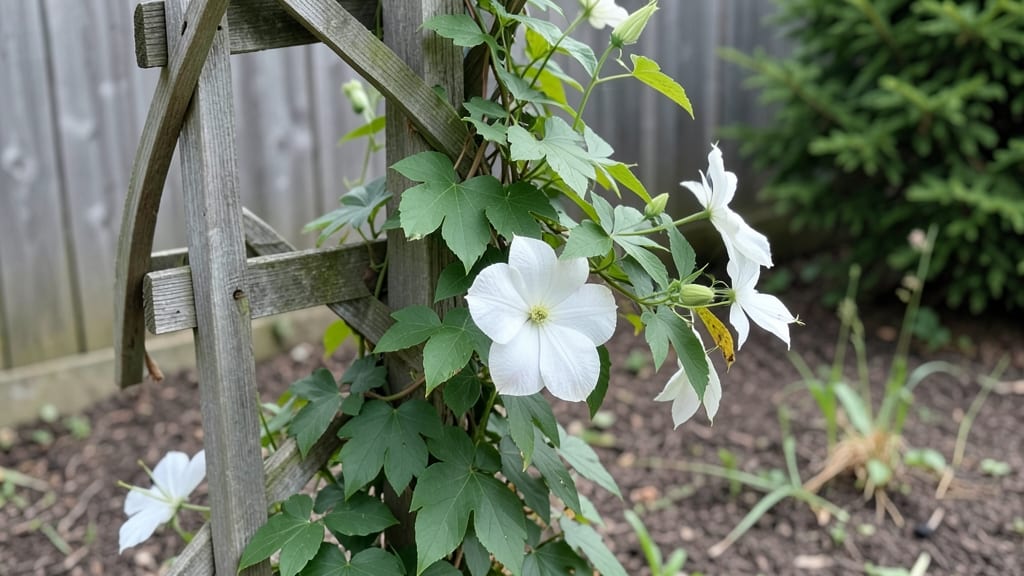
My flowering trellis plants transformed a boring fence into a living tapestry of color—something I never thought possible without acres of space. The right climbers turn vertical gardening into a showstopper, adding height, texture, and seasonal drama without taking up precious ground room.
I’ve tested everything from delicate clematis to bold morning glories, and these are the ones that actually deliver the wow factor year after year.
You don’t need a formal garden to make this work—just a sturdy trellis, a sunny spot, and a little patience. I started with a simple wooden lattice behind my patio, and within months, it was covered in fragrant roses and trailing nasturtiums.
The key is matching plants to your space: fast growers like honeysuckle for quick coverage, or slower climbers like wisteria for long-term elegance. Even small balconies can host climbing petunias or sweet peas in containers.
Imagine your trellis bursting with blooms from spring through fall—pinks, purples, and whites cascading like a waterfall you can touch. These plants attract pollinators, create privacy, and add architectural interest that flat gardens simply can’t match.
The best part? You can mix them with other vertical elements like hanging baskets or tiered shelves for a layered look that feels intentional, not crowded.
Whether you’re going for cottage charm with roses and peonies or a modern vibe with sleek clematis, the possibilities are endless. I’ll show you how to combine textures, colors, and bloom times for a trellis that’s as functional as it is beautiful—no green thumb required, just good planning.
📚 In This Guide
- What you need
- Instructions
- Tips and common mistakes
- Wrapping up and next steps
What you need
- ● Trellis Structure: 1-2 freestanding trellises (wood, metal, or PVC; 4–6 ft tall, 2–3 ft wide)
- ● OR 1-2 wall-mounted trellises (secure with heavy-duty brackets)
- ● Flowering Climbing Plants (Choose 1-3): 1-2 clematis (varieties like ‘Jackmanii’ or ‘Nelly Moser’)
- ● 1-2 morning glories (fast-growing, annual; 10+ seeds or plants)
- ● 1 passionflower vine (perennial; 1-2 mature plants)
- ● 1 roses (climbing varieties) (e.g., ‘New Dawn’; 1-2 bare-root or potted plants)
- ● Potting Mix: 1-2 bags of well-draining potting soil (mix with perlite or compost for aeration)
- ● Containers or Garden Beds: 1-2 large pots (15–20 gallons; with drainage holes) OR
- ● 1 raised garden bed (3–4 ft x 6–8 ft, depth: 12+ inches)
- ● Basic Tools: 1 trowel (for planting)
- ● 1 pruners (sterilized; for trimming)
- ● 1 measuring tape (to check spacing)
- ● 1 garden gloves (for protection)
- ○ Optional (But Helpful!): 1 soil moisture meter (to track hydration)
- ● 1 mulch (2–3 inches; to retain moisture)
- ● 1 fertilizer (balanced 10-10-10 or slow-release)
- ● 1 plant ties or soft twine (to guide young vines)
- ● Prerequisites: ✅ Sunlight: 6+ hours of direct sun daily (adjust plants based on variety)
- ● ✅ Space: Clear 2–3 ft around trellis for airflow
Step-by-step guide to growing flowering trellis plants
Transform your vertical space into a lush floral display with these climbing beauties.
Select the Right Trellis and Plant Pairings
Start by choosing a trellis that matches your space and plant type. For lightweight climbers like morning glories or sweet peas, a simple 4-foot tall wooden or metal lattice works perfectly. Heavier vines such as clematis or jasmine need a stronger, freestanding trellis with crossbars for support. I always check the mature height of the plant—most flowering vines will reach 6 to 10 feet, so plan accordingly.
Pair your trellis with plants that thrive vertically. Morning glories and black-eyed Susans are easy annuals, while roses and honeysuckle offer long-term beauty. Place the trellis in a spot where it gets at least 6 hours of sunlight daily—most flowering climbers need full sun to produce their best blooms. If your space is shady, opt for ferns or ivy instead.
Prepare the Planting Site and Install the Trellis
Before planting, loosen the soil to a depth of 12 inches to encourage root growth. Mix in 2 inches of compost to enrich the soil—this helps flowering plants establish stronger roots for climbing. If your soil drains poorly, add a 1-inch layer of coarse sand to improve aeration. I always test drainage by digging a small hole, filling it with water, and checking how quickly it drains—if it takes more than 30 minutes, amend the soil further.
Install the trellis 6 to 12 inches away from the planting site so vines can grow toward it naturally. Secure it firmly into the ground or attach it to a sturdy wall or fence. For heavy climbers, drive stakes into the ground on either side of the trellis and tie it in place with galvanized wire or strong twine. This prevents toppling when vines become lush and heavy with blooms.
Plant and Support Young Vines
Dig a hole twice as wide as the root ball but no deeper—this encourages roots to spread outward for stability. Place the plant in the hole, ensuring the top of the root ball sits just below soil level. Fill the hole with soil, pressing gently to remove air pockets. Water deeply right after planting to settle the soil and eliminate gaps. You’ll know it’s done correctly when the soil looks firm but not compacted—like a well-packed sponge.
As the plant grows, gently guide the main stem toward the trellis and secure it with soft plant ties or twine. Avoid wrapping too tightly—you want to support the vine without restricting growth. I like to tie the stem loosely every 4 to 6 inches as it climbs. For self-clinging plants like morning glories, you can skip ties and let them wrap naturally around the trellis. Watch for new leaves or tendrils—these are your cues to adjust support.
Provide Consistent Care for Blooms
Water newly planted vines once a week until they’re established, then adjust based on weather. Most flowering climbers need 1 to 1.5 inches of water per week, but check the soil—if the top 2 inches feel dry, it’s time to water. I always water at the base in the morning to reduce evaporation and prevent fungal diseases. Mulch around the plant with 2 inches of organic mulch to retain moisture and suppress weeds.
Fertilize lightly every 4 to 6 weeks with a balanced, water-soluble fertilizer (10-10-10 ratio). Too much fertilizer can lead to leafy growth at the expense of flowers, so follow the package instructions carefully. Prune regularly to encourage bushier growth—cut back leggy stems and remove spent blooms. You’ll see more flowers if you pinch back the tips of new growth when they reach 6 inches tall. This trick works wonders for roses and clematis.
Train and Maintain for Long-Term Beauty
Throughout the growing season, check the trellis for signs of stress—wilting leaves or yellowing can signal overwatering or nutrient deficiency. If you notice leaves curling or dropping, adjust your care routine. For example, if the soil stays soggy, reduce watering and improve drainage. If blooms are sparse, increase sunlight exposure or switch to a phosphorus-rich fertilizer to boost flowering.
In late fall, cut back dead or damaged vines but leave healthy stems for next year’s growth. For perennial climbers like roses or honeysuckle, prune in early spring to shape the plant and encourage new blooms. Annuals like morning glories can be removed entirely after they die back. Store trellises indoors during winter if they’re not weather-resistant, and clean them with a mild soap solution to remove sap and debris. This keeps them ready for another season of vertical beauty.
Tips & tricks for perfect flowering trellis plants
Creating a stunning vertical garden takes more than just planting—it’s about setting your climbing beauties up for success from day one. Here are the game-changing strategies that’ll help your flowering trellis plants thrive and bloom like never before.
Trellis Placement Matters: When installing your trellis 6 to 12 inches away from the planting site, face it toward the sunniest part of your garden. Most flowering climbers need at least 6 hours of direct sunlight daily, so avoid placing it in a spot where it might cast shadows on itself later in the day. I've seen beautiful trellises fail because they were positioned against a north-facing wall that blocked sunlight for half the day. Also, if you're using a freestanding trellis for heavy climbers like clematis, place it where it won't get knocked over by wind or foot traffic.
Soil Preparation is Non-Negotiable: The 12-inch deep soil loosening and 2 inches of compost aren't just suggestions—they're essential for root development. I learned this the hard way when my first attempt with compacted soil resulted in stunted growth. For particularly heavy clay soils, consider adding perlite to improve drainage alongside that 1-inch layer of coarse sand. And here's a pro tip: After amending your soil, let it settle for at least 30 minutes before planting. This allows the soil structure to stabilize, giving your roots the best possible foundation.
Watering Wisdom for Consistent Blooms: The once-weekly watering guideline works best when your soil drains properly. To check moisture levels, stick your finger 2 inches into the soil—if it feels dry, that's your cue to water. I've found that morning watering not only reduces evaporation but also prevents fungal diseases that thrive in damp conditions. For container-grown climbers, you might need to water every 2-3 days, especially in hot weather. And here's something nobody tells you: The 1 to 1.5 inches of water per week should be measured after rainfall—if you've had recent rain, you can skip your scheduled watering.
Pruning for Maximum Blooms: When you pinch back new growth at 6 inches tall, you're not just shaping the plant—you're encouraging it to produce more flowers. This works particularly well for roses and clematis, but even morning glories benefit from occasional pruning. I like to do this on a cloudy day to reduce stress on the plant. And here's a secret: Remove spent blooms regularly throughout the season. This practice, called deadheading, redirects the plant's energy from seed production to creating more flowers. Just be gentle—you don't want to damage the main stem when you're removing those faded blooms.
Pro Tips for Flowering Trellis Plants
- Creating a stunning vertical garden takes more than just planting—it’s about setting your climbing beauties up for success from day one.
- Trellis Placement Matters: When installing your trellis 6 to 12 inches away from the planting site, face it toward the sunniest part of your garden.
- Soil Preparation is Non-Negotiable: The 12-inch deep soil loosening and 2 inches of compost aren't just suggestions—they're essential for root development.
Frequently asked questions
Got questions about transforming your space with flowering trellis plants? You’re not alone! Here are some of the most common queries—and their answers—to help you grow with confidence.
What’s the best time to plant flowering trellis plants?
Most flowering climbers thrive when planted in early spring, after the last frost but before extreme heat. For warm-season varieties (like morning glories or sweet peas), wait until the soil is at least 60°F (15°C). Cool-season climbers (e.g., clematis) can even handle fall planting for early blooms next year.
Why aren’t my trellis plants flowering?
Lack of flowers? Check these fixes:
- Light: Ensure 6+ hours of sunlight daily (most flowering climbers are sun-worshippers!).
- Water: Drought stress can stall blooms—keep soil consistently moist (not soggy).
- Fertilizer: Use a balanced, bloom-boosting formula (like 10-10-10) mid-season.
- Pruning: Deadhead spent blooms to encourage more flowers.
Can I grow flowering trellis plants in containers?
Choose large containers (15+ gallons) with drainage holes for vines like jasmine or passionflower. Use a lightweight potting mix with compost, and opt for tall, sturdy trellises or cages (e.g., tomato cages or obelisks). Just remember: Container plants dry out faster—water daily in hot weather!
What are some low-maintenance flowering trellis alternatives?
If you want beauty without the upkeep, try these easy-care climbers:
- Honeysuckle – Fragrant, drought-tolerant, and attracts pollinators.
- Cobaea scandens (Cup-and-Saucer Vine) – Fast-growing with striking night-blooming flowers.
- Star Jasmine – Evergreen, fragrant, and thrives in partial shade.
- Morning Glories – Annuals with quick blooms (great for kids!).
How do I train a flowering vine to a trellis without damaging it?
Gentle guidance is key! Use soft ties (like old T-shirts, twine, or plant clips) to secure vines to the trellis. Avoid wire or tight knots, which can strangle young stems. Train new growth daily in the first few weeks, and prune leggy stems to encourage bushier (and flower-heavy!) growth. Pro tip: For woody climbers (e.g., roses), use spiral ties to support stems as they thicken.
Wrapping up and next steps
Transforming your space with flowering trellis plants is a rewarding way to add vertical charm, boost biodiversity, and create a lush, dreamy garden—even in small areas! 🌸 From choosing the right climbers to setting up sturdy supports, every step brings you closer to a thriving, Instagram-worthy garden.
Whether you’re a beginner or a seasoned gardener, the key is to start small, stay patient, and let nature do the magic.
Ready to turn your vision into reality? Pick one plant from this list, grab your supplies, and begin building your trellis masterpiece today! Your future garden is waiting—what will you climb first? 🌿✨