
Plants
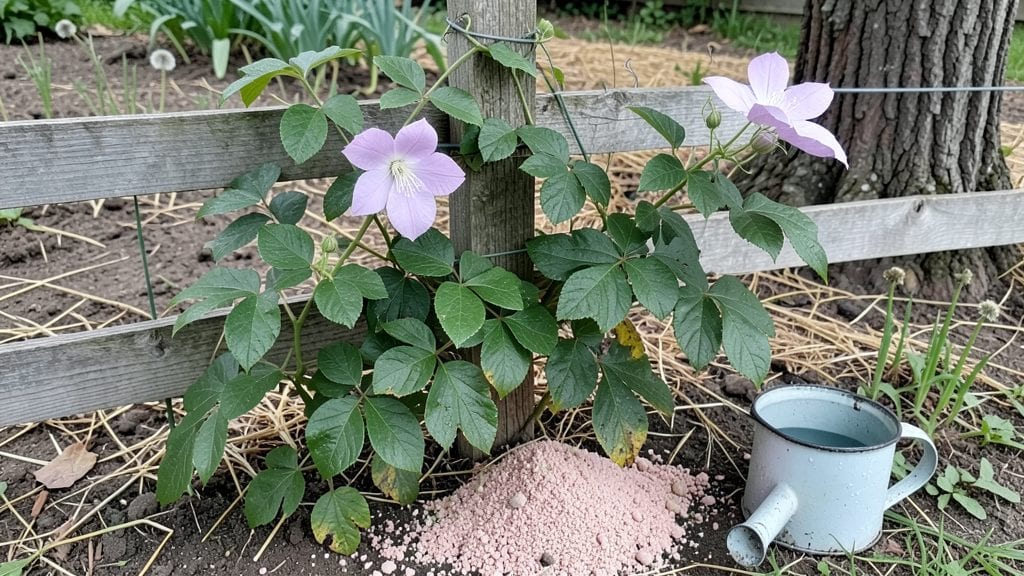
Feeding clematis plants 🌸 the right way is the difference between a vine covered in blooms and one that barely puts out a few flowers.
Struggling to keep your clematis blooming all season? The secret isn’t just water or sunlight—it’s a precise feeding schedule tailored to each growth stage. Master this nutrient timeline, and your clematis will reward you with vibrant flowers from spring to fall.
Most gardeners overlook the fact that clematis needs a balanced approach—too much fertilizer at the wrong time can actually stunt growth or burn roots. The key is timing: early spring kickstarts growth, summer feeds the blooms, and fall lets the plant rest.
Below, I’ll walk you through the best fertilizers, organic and synthetic, when to apply them, and how to spot signs of over- or under-feeding. By the end, your clematis will be thriving with nonstop blooms all season long.

Seasonal feeding schedule for maximum clematis blooms
Clematis plants thrive when fed the right nutrients at the right time, but their needs change dramatically from season to season. Too much fertilizer in summer can burn roots, while skipping spring feeding delays those stunning blooms.
The key is a balanced approach—organic or synthetic—that aligns with your clematis’ growth stages. I’ve grown clematis for over a decade, and this schedule has helped my vines produce continuous blooms from early summer to frost.
Most gardeners focus on water and sunlight, but nutrient timing is what separates a handful of flowers from a vine bursting with color. Clematis are heavy feeders, especially during their first year, when they establish roots.
In later years, they need a steady supply of phosphorus for blooms and potassium for disease resistance. The challenge? Overfeeding can lead to leaf burn or even fewer flowers as the plant focuses on foliage instead.
Below is my month-by-month feeding guide, including organic and synthetic options, plus warning signs that your clematis isn’t getting what it needs. Whether you’re a beginner or a seasoned gardener, this schedule will help you avoid common mistakes and keep your clematis looking its best.
| Month | Growth Stage | Feeding Type | Recommended Fertilizer | Frequency | Notes |
|---|---|---|---|---|---|
| March | Early Growth | Balanced Feed | 10-10-10 (synthetic) or compost + bone meal (organic) | Every 4 weeks | Start when new shoots appear |
| April | Active Growth | High-Potassium | 5-10-10 (synthetic) or banana peel tea (organic) | Every 4 weeks | Encourages bloom development |
| May | Blooming Season | Light Feed | 5-5-10 (synthetic) or fish emulsion (organic) | Every 6 weeks | Avoid overfeeding; focus on potassium |
| June | Peak Blooms | Maintenance | Slow-release granules (organic) or half-strength liquid feed | Every 8 weeks | Reduce nitrogen to prolong blooming |
| July | Post-Bloom | Light Organic | Compost tea or worm castings | Every 6 weeks | Prep for next season’s growth |
| August | Late Summer | None | None | N/A | Allow plant to harden off |
| September | Pre-Dormancy | None | None | N/A | Stop feeding 6 weeks before frost |
| October-November | Dormant | None | None | N/A | Mulch heavily for winter protection |
| December-February | Dormant | None | None | N/A | No feeding; focus on soil prep |
For organic gardeners, I recommend starting with a compost-rich soil mixed with bone meal in early spring. Bone meal provides the phosphorus clematis crave for blooms, while compost adds essential microbes. In summer, switch to a fish emulsion or seaweed extract to boost potassium without overloading nitrogen.
My organic clematis produces just as many flowers as my synthetic-fed vines, but the soil stays healthier long-term.
If you prefer synthetic fertilizers
Best organic and synthetic fertilizers for clematis growth
Clematis plants thrive when fed the right nutrients, but choosing between organic and synthetic fertilizers can feel overwhelming. The key is matching your clematis variety and growth goals—whether you want lush foliage or nonstop blooms.
Organic options like fish emulsion and bone meal build soil health slowly, while synthetic granules deliver quick, precise nutrition. Let’s break down the best choices for your clematis garden.
Your soil type and climate zone also play a role. Sandy soils drain fast, so slow-release fertilizers work best, while clay holds nutrients longer, allowing for liquid feeds. For example, composted manure is ideal for heavy soils, while slow-release granules suit containers or poor soil.
Always test your soil’s pH level—clematis prefers 6.5 to 7.0—to avoid nutrient lockout.
Organic vs. Synthetic Fertilizers for Clematis
Organic Fertilizers
- Pros: Improves soil structure, slow-release nutrients, eco-friendly.
- Cons: Requires frequent applications, slower results, odor issues.
Synthetic Fertilizers
- Pros: Fast-acting, precise nutrient ratios, easy to apply.
- Cons: Can burn roots if overused, no soil benefits, environmental concerns.
Fish emulsion is my top organic pick for clematis—it’s packed with nitrogen for leafy growth and phosphorus for blooms. Apply it every 4-6 weeks during the growing season, diluting to half-strength to avoid burning roots. For established plants, mix it with composted manure to boost soil fertility over time. If you prefer granules, slow-release options like Osmoote or Espoma provide steady nutrition without the mess.
Synthetic fertilizers like 10-10-10 NPK or 20-20-20 deliver instant results, perfect for container-grown clematis or plants needing a quick boost. Use them sparingly—once every 6-8 weeks—and always water thoroughly afterward to prevent root burn.
For heavy bloomers, a phosphorus-heavy fertilizer (like 5-10-5) encourages more flowers, while nitrogen-focused feeds (like 20-5-5) promote lush vines. Always follow label instructions!
Don’t overlook micronutrients like iron and magnesium, which prevent yellowing leaves. A chelated iron spray can revive chlorotic foliage quickly, while Epsom salt (magnesium sulfate) boosts overall health.
For organic gardeners, kelp meal or seaweed extract adds trace minerals naturally. Rotate fertilizers seasonally—spring for growth, summer for blooms, and fall for root strengthening.
Pro tip: Mulch with compost or pine needles after feeding to retain moisture and nutrients. Avoid synthetic fertilizers in late summer, as they can delay dormancy. For container clematis, flush the soil with water monthly to prevent salt buildup from synthetic feeds.
With the right fertilizer mix, your clematis will climb, bloom, and thrive all season long!