
Landscaping
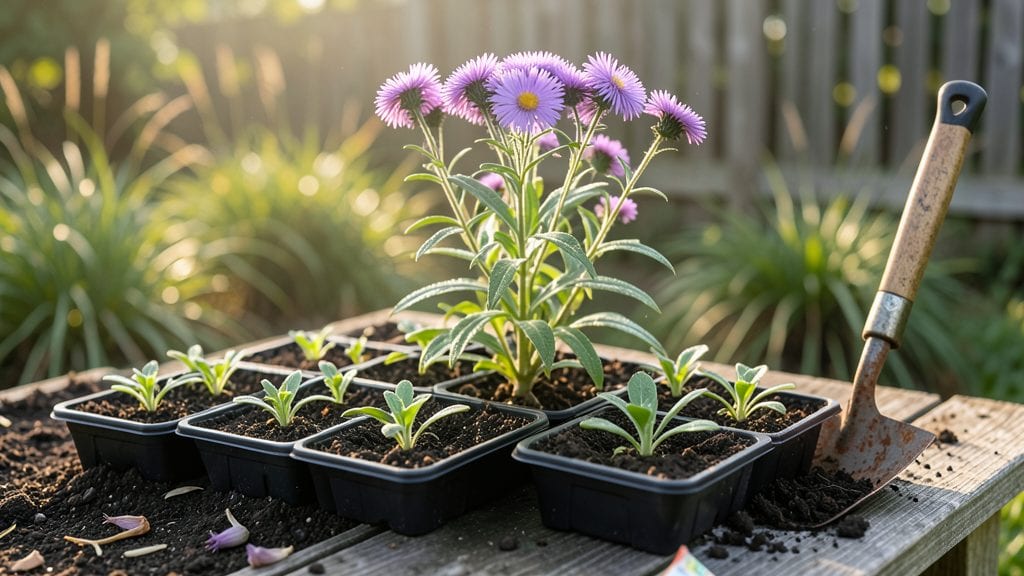
Fall planting landscapemaintenance transforms your yard from a winter sleep to a spring-ready showstopper. 🌿 I learned the hard way that skipping this season means fighting weeds and soil compaction all spring—now I treat fall like the secret weapon it is.
The right plants thrive in cooler weather, roots establish deep before frost, and you avoid the summer rush when everything’s fighting for space.
Start with soil prep: aerate compacted areas, add compost, and top with 3-4 inches of mulch to protect roots. Plant bulbs like tulips and daffodils in October, and choose cold-hardy perennials or shrubs that’ll handle winter. Prune back dead growth but leave structure intact—this keeps plants healthy without inviting pests.
By December, your yard will look intentional, not neglected. The mulch suppresses weeds, the soil stays loose, and next spring’s growth starts 6-8 weeks earlier than if you’d waited. Even bare spots get covered with winter interest plants like ornamental grasses or evergreens.
This works in any climate—just adjust timing by 2-4 weeks for colder zones. The key is acting before the ground freezes. Let’s get your landscape set up for a no-fuss spring.
📚 In This Guide
- What you need
- Instructions
- Tips and common mistakes
- Wrapping up and next steps
What you need
- ● Bulbs: 10–20 lbs of daffodil, tulip, or crocus bulbs (choose cold-hardy varieties for your zone).
- ● Perennials: 5–10 plants (e.g., coneflowers, sedum, or hostas—check local nurseries for fall sales!).
- ● Mulch: 2–3 cubic yards of shredded hardwood or pine bark mulch (3–4 inches deep).
- ● Compost: 1–2 bags of high-quality organic compost (for enriching soil).
- ● Fertilizer: Slow-release 10-10-10 or bone meal (follow package rates).
- ● Potting Soil: 1–2 bags of well-draining potting mix (for containers or amending beds).
- ● Hand Trowel: 1 stainless-steel or ergonomic model (for precision planting).
- ● Garden Fork: 1 heavy-duty, 18-inch fork (for aerating soil).
- ● Pruners: 1 pair of bypass pruners (sharp and sterilized!).
- ● Rake: 1 bow rake (for leveling soil and removing debris).
- ● Wheelbarrow: 1 1–2 cubic foot capacity (for hauling mulch/soil).
- ● Garden Gloves: 1 pair waterproof, breathable gloves (protect your hands!).
- ● Hose & Nozzle: Adjustable nozzle (for watering post-planting).
- ○ ✅ Soil Test: Check your soil’s pH (ideal: 6.0–7.0 for most plants). Optional: Test kit (~$20).
- ● ✅ Weather Check: Plant when temps are consistently below 60°F (avoid frost!).
- ○ 💡 Optional Upgrades: Soil Moisture Meter (~$15) – for perfect hydration.
- ● Knee Pads – because your knees will thank you!
- ● Plant Markers – label bulbs/perennials for next spring.
Step-by-Step guide for fall planting and landscaping maintenance
Smart fall prep transforms your yard into a resilient, low-maintenance canvas for spring. Here’s how to do it right.
🌱 Step 1: Assess and Clear Existing Plant Debris
Start by removing dead annuals, diseased foliage, and spent perennials—these harbor pests and diseases that overwinter. I always work in sections: one bed at a time, pulling weeds down to the root to prevent regrowth. Bag the debris for compost (if disease-free) or trash (if infected). This step isn’t just cleanup; it’s disease prevention.
Check for lingering pests like slugs or aphids. A quick spray of soapy water (1 tablespoon mild dish soap per gallon of water) on affected areas knocks out survivors before they hide for winter. Pay special attention to roses, hostas, and daylilies—common hotspots for overwintering pests. Once cleared, rake the soil surface to aerate and remove any remaining debris.
🪴 Step 2: Plant Cool-Season Perennials and Bulbs
Fall is prime time for planting perennials, shrubs, and spring-blooming bulbs like tulips, daffodils, and alliums. The cooler soil temperatures and consistent moisture give roots time to establish before winter dormancy. I dig holes twice as wide as the root ball and just as deep—this prevents root circling and encourages outward growth.
Amend the planting hole with compost (if not already in your soil) and water the plant deeply before setting it in. Space bulbs 6 inches apart and perennials according to their mature size—crowding now leads to competition later. After planting, water again to settle the soil and remove any air pockets around the roots. Mulch with 2-3 inches of shredded bark to insulate roots and retain moisture.
☀️ Step 3: Aerate and Overseed Lawn Areas
Fall is the best time to aerate compacted lawns and overseed bare patches. Rent a core aerator or hire a service—this pulls small plugs of soil, allowing air, water, and nutrients to penetrate deeply. I work in overlapping passes for even coverage, then spread high-quality seed mix (choose a blend suited to your climate) immediately after aerating.
Rake the seed lightly into the soil to ensure good contact, then water lightly but frequently (twice daily for the first week) to keep the soil moist until germination. Avoid heavy foot traffic—new seedlings are fragile. If your lawn has thin spots, consider top-dressing with a thin layer of compost after overseeding to boost soil health.
✂️ Step 4: Prune and Prepare Perennials for Winter
Not all perennials need pruning in fall, but deadheading spent blooms (like coneflowers or black-eyed Susans) tidies up the garden and redirects energy to root growth. For grasses and ornamental perennials, I wait until late fall or early spring to cut back—leaving seed heads and dry foliage provides winter interest and habitat for birds and beneficial insects.
For roses and shrubs, prune lightly to remove dead or crossing branches. Avoid heavy pruning now—it stimulates new growth that won’t harden off before winter. Wrap young, tender shrubs (like hydrangeas or newly planted boxwoods) with burlap or frost cloth if your winters are harsh. Mulch around the base with 3-4 inches of shredded leaves or straw to protect roots from freeze-thaw cycles.
💧 Step 5: Test Soil and Plan for Spring Feedings
Fall is the ideal time to test your soil’s pH and nutrient levels—results guide your spring fertilization plan. I use a simple home test kit (available at garden centers) for basic pH and organic matter checks. If your soil is too acidic (below 6.0), amend with lime in early fall; if it’s too alkaline (above 7.5), add sulfur or peat moss in spring.
Make notes on which areas need compost, fertilizer, or organic matter—this prevents guesswork in spring. For example, vegetable gardens often benefit from a balanced 10-10-10 fertilizer in early spring, while flower beds may only need a slow-release organic fertilizer like composted manure. Plan mulch types too: straw for vegetable beds, shredded bark for ornamental areas.
Tips & tricks for perfect fall landscaping maintenance
A few strategic moves now will save you hours of frustration later—and set your garden up for stunning spring blooms. Here's what I've learned from years of fall prep that actually makes a difference.
Disease Prevention in Step 1: When clearing debris in Step 1, don't just toss everything into the compost pile. Diseased foliage from roses, hostas, and daylilies should go straight to the trash—not the compost bin. I've seen fungal spores survive winter in compost and reinfect next year's plants. For the soapy water spray, use a hose-end sprayer for even coverage—it's more efficient than a handheld spray bottle and covers larger areas faster. The 1 tablespoon per gallon ratio works perfectly for knocking out pests without harming beneficial insects.
Planting Technique in Step 2: The "twice as wide and just as deep" rule in Step 2 is non-negotiable for root health. I use a garden trowel to loosen the sides of the hole after digging, creating a rough texture that helps roots establish better. For bulbs spaced 6 inches apart, I mark their positions with a stick or garden twine before planting to ensure even spacing. This visual guide prevents overcrowding, which leads to smaller blooms and competition for nutrients. After planting, I always do a "water test"—pouring a gallon of water into each hole to check for proper drainage before setting the plant.
Lawn Care Secret in Step 3: When aerating in Step 3, work when the soil is slightly moist—not bone dry, not soggy. I find early morning after a light rain is ideal. For overseeding, I spread the seed mix by hand rather than using a broadcast spreader—this gives me better control over coverage, especially in small or irregularly shaped lawn areas. The "twice daily for the first week" watering schedule is critical, but I set a timer on my phone as a reminder. New seedlings can dry out quickly, and consistent moisture is what ensures strong germination.
Winter Protection in Step 4: For tender shrubs needing protection, I use frost cloth instead of burlap because it's more breathable and allows some light penetration. The 3-4 inches of mulch recommendation is perfect, but I always fluff it up after the first heavy frost to maintain insulation. For roses, I leave the canes upright rather than bending them over—this prevents stem breakage from snow accumulation. The mulch ring should extend out to the plant's drip line, not just the base, to protect the root zone completely.
Pro Tips for Fall Planting Landscapemaintenance
- A few strategic moves now will save you hours of frustration later—and set your garden up for stunning spring blooms.
- Disease Prevention in Step 1: When clearing debris in Step 1, don't just toss everything into the compost pile.
- Planting Technique in Step 2: The "twice as wide and just as deep" rule in Step 2 is non-negotiable for root health.
Frequently asked questions
Got questions about fall planting and landscaping maintenance? You’re not alone! Here are answers to the most common concerns to help you plan with confidence.
When is the best time to start fall planting?
Fall planting typically kicks off in early September (or late August in warmer climates) and wraps up by mid-November before the first hard frost. Cooler temps and shorter days reduce stress on plants, giving roots time to establish before winter. Check your USDA hardiness zone for exact timing!
What are the easiest plants to grow in fall?
Start with cool-season favorites like pansies, kale, lettuce, spinach, and ornamental grasses. For perennials, try sedum, asters, and Russian sage—they thrive in fall’s mild weather. Bulbs like tulips and daffodils are also great for winter interest!
Do I need special tools for fall planting?
Not necessarily! Basic tools like a shovel, rake, and pruners cover most tasks. For soil prep, a broadfork (for aeration) or compost spreader can be game-changers. If you’re planting bulbs, a bulb planter saves time and effort.
What if frost hits before my plants establish?
Don’t panic! Most fall plants are frost-tolerant once rooted. Use mulch (straw or shredded leaves) to insulate soil and protect tender shoots. For container plants, move them to a sheltered spot or wrap pots in bubble wrap for extra protection.
Is fall planting more cost-effective than spring?
Yes! Nursery plants are often discounted in fall, and fewer pests mean less need for treatments. Plus, fall soil is easier to work with—no drought stress or heat waves. It’s a win for your wallet and your landscape!
Wrapping up and next steps
Fall planting and landscaping maintenance are your secret weapons for a stunning, low-maintenance yard all year long! 🌿 By choosing the right plants, prepping your soil, and tackling seasonal tasks like mulching and pruning, you’re setting your outdoor space up for success—even when winter rolls in.
The key? Start small, stay consistent, and let nature do the rest.
Ready to transform your landscape? Grab your tools, pick a weekend, and dive in—your future self (and your curb appeal) will thank you! Next up: Sketch a simple plan, gather your supplies, and get planting before the first frost. You’ve got this! 🌱