
Plants
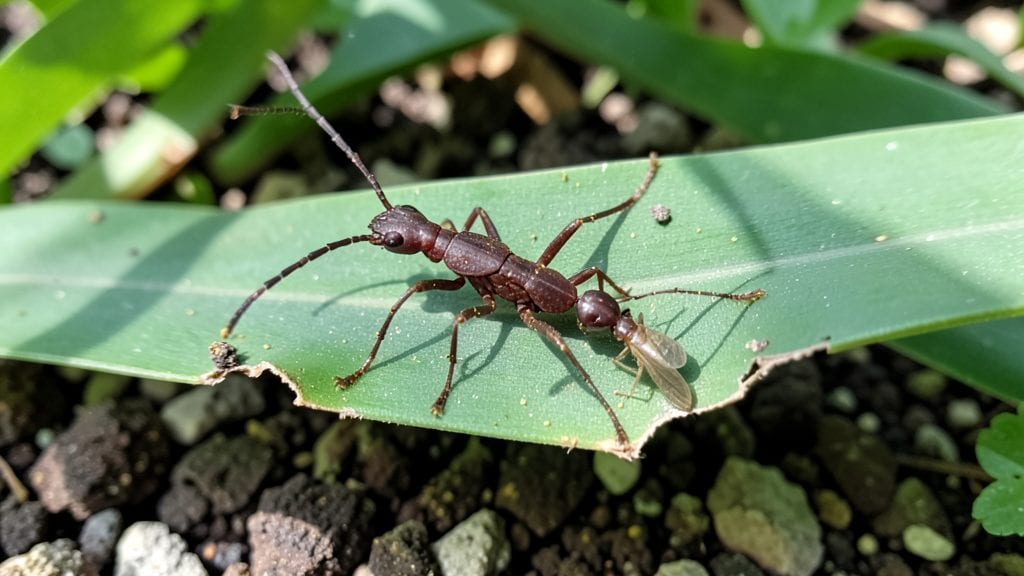
Earwigs eating plants can turn your thriving garden into a skeleton of leaves overnight. 🌿 I’ve watched these armored pests shred my lettuce and chew holes in my roses—until I learned three fast-acting barriers that stop them without chemicals.
The key is cutting off their access before they become a full-blown problem.
Most people reach for pesticides first, but earwigs hide in damp, dark spots during the day. Instead, I focus on physical barriers like copper tape around pots, diatomaceous earth in soil crevices, and even a simple row of wood chips that they won’t cross.
These methods work within 24-48 hours once properly placed.
You’ll see the difference immediately—no more ragged leaves or missing petals. The plants stay lush, the pests stay out, and you avoid the mess of chemical sprays. Best of all, these solutions double as prevention for next season’s planting.
Works for veggies, flowers, and container gardens alike. No fancy tools or toxic residues—just smart placement and a little patience. Let’s get those barriers in place before they strike again.
Root Causes Of Plant Damage
Earwigs may seem like tiny troublemakers, but their appetite for plants isn’t random—it’s driven by specific needs and behaviors. Understanding these triggers will help you address the issue at its source. Let’s break down why these pests go after your greenery in the first place.
Earwigs are omnivorous scavengers, and your plants are often a convenient buffet.
Their diet includes: - Decaying organic matter (like fallen leaves or compost) – but they’ll happily munch on living plants when easier options are scarce. - Tender young leaves, flowers, and fruit – These are soft and nutrient-rich, making them ideal for their small jaws. - Moist, sheltered spots – Earwigs prefer damp environments (think under mulch, rocks, or dense foliage), where they can hide during the day and hunt at night.
Why it matters: If your garden has dense mulch, overwatered soil, or shaded areas, earwigs will see it as an all-you-can-eat salad bar. 🍽️
Earwigs thrive in high humidity—their exoskeletons need moisture to stay flexible. If your plants are:
- Overwatered (soggy soil is a red flag).
- Planted in shaded, damp areas (like near downspouts or poorly draining soil).
- Growing in containers with poor drainage, trapping excess moisture.
They’ll cluster around these spots, increasing the chance of them nibbling on nearby plants.
Pro tip: 💡 Earwigs are more active after rain—check your garden post-storm for signs of damage.
Earwigs are nighttime foragers, meaning they do most of their damage under cover of darkness. During the day, they hide in:
- Cracks in bark, mulch, or soil.
- Under leaves or flower petals.
- Between potted plants or garden debris.
If you’ve noticed chewed leaves but no earwigs during daylight, they’re likely returning to their hiding spots after a night of snacking.
Actionable insight: 🔦 Use a flashlight at dusk to spot them in action—you might catch them mid-bite!
Stressed plants are more vulnerable. Earwigs target:
- Weak or damaged plants (from disease, drought, or poor soil).
- Newly transplanted seedlings (soft and defenseless).
- Plants with high moisture content (like lettuce, basil, or strawberries).
A struggling plant sends out chemical signals that earwigs interpret as "easy meal." Strengthening your plants’ resilience (through proper watering, fertilization, and pruning) can deter them naturally.
Key takeaway: Earwigs don’t choose plants randomly—they’re drawn by food, shelter, and moisture. By addressing these factors, you can make your garden less appealing to them before they even start feasting. 🚫🍃
Quick Fixes for Earwig Damage
If earwigs have turned your garden into a buffet, don’t panic—there are effective, natural ways to reclaim your plants without harsh chemicals. The key is targeting the root causes (literally and figuratively) while keeping your garden thriving.
Below are practical, step-by-step solutions tailored to the most common earwig issues, plus prevention tips to keep them away for good.
Earwigs adore moist, shaded spots—think of them as the garden’s version of a swamp-dwelling critter. If your soil stays soggy, they’ll stick around, munching on tender leaves and flowers.
How to Dry Them Out & Deter Them:
- 🔥 Improve Drainage – Amend heavy clay or compacted soil with compost, perlite, or coarse sand to help water drain faster. A well-draining bed is less inviting.
- 🍳 Raise Garden Beds – If possible, elevate planting areas slightly to reduce standing water. Earwigs prefer ground-level feasts.
- 👨🍳 Use Mulch Strategically – While mulch helps retain moisture, avoid thick layers near plant bases. Instead, opt for straw or pine needles, which dry out faster than wood chips.
- ⏰ Water in the Morning – Wet foliage at night gives earwigs a free pass to snack. Morning watering lets plants dry before dusk, their prime hunting time.
💡 Pro Tip: If you have potted plants, ensure pots have drainage holes and avoid saucers that trap water.
Earwigs are nocturnal ninjas, slipping into dark, cozy nooks during the day. If they’re raiding your garden, they’re likely nesting nearby in mulch piles, bark, or dense foliage.
How to Break Their Cover:
- 🔪 Remove Debris – Clear away leaf litter, old mulch, and wood piles from garden beds and borders. Store firewood at least 20 feet away from plants.
- 🥘 Install Earwig Traps – Place shallow dishes filled with beer, soapy water, or even a mix of water and dish soap near affected areas. Earwigs are drawn in and drown. Check traps daily and refresh the liquid.
- 🌡️ Use Light to Their Disadvantage – Earwigs avoid bright light. Install solar-powered motion lights or string lights near entry points (like under eaves or sheds) to discourage them from lingering.
- 🎯 Introduce Predators – Encourage birds, spiders, and ground beetles (natural earwig hunters) by planting native flowers like marigolds, dill, or yarrow.
Earwigs have a sweet tooth for soft, young leaves, flowers, and fruits. If they’re targeting specific plants, you’ll need physical barriers and repellents to keep them at bay.
How to Shield Your Plants:
- 🍎 Row Covers & Netting – For vegetables, berries, or flowers, drape fine mesh netting (like tulle or hardware cloth) over plants. Secure edges with stakes or rocks to prevent earwigs from crawling underneath.
- 🥗 DIY Collars for Seedlings – Wrap cardboard collars (cut from toilet paper rolls or egg cartons) around young plants. Earwigs can’t climb smooth surfaces, so they’ll move on.
- 🌿 Plant Repellent Companions – Some plants naturally repel earwigs. Try:
- Garlic & Onions (strong scent deters them)
- Mint or Thyme (earwigs avoid their aroma)
- Chrysanthemums (contain pyrethrin, a mild insect repellent)
- 🔥 Sprinkle Diatomaceous Earth (DE) – Food-grade DE is a non-toxic powder that damages earwigs’ exoskeletons. Sprinkle a thin layer around plant bases (reapply after rain). ⚠️ Avoid breathing it in!
Earwigs sneak in through tiny gaps—under doors, around windows, or even through vents in greenhouses. If they’re getting inside your home or greenhouse, block their access.
How to Fortify Your Space:
- 🔧 Caulk Gaps – Seal cracks in foundations, window frames, and door thresholds with silicone caulk. Earwigs can squeeze through openings as small as 1/16 inch.
- 🚪 Install Door Sweeps – A simple rubber sweep on exterior doors prevents earwigs from crawling indoors.
- 🌪️ Use Weather Stripping – Apply foam or adhesive strips around garage doors, shed entrances, and vents.
- 🌡️ Reduce Humidity Indoors – Earwigs thrive in damp basements or bathrooms. Use a dehumidifier or ventilating fan to keep spaces dry.
The best offense is a good defense. Once you’ve dealt with an infestation, keep earwigs from returning with these low-maintenance habits:
| Prevention Tip | How to Do It | Why It Works |
|---|---|---|
| 🌞 Keep Garden Areas Sunny | Prune overhanging branches to increase sunlight. | Earwigs prefer shade; sunlight dries them out. |
| 🍂 Avoid Over-Mulching | Use thin layers of mulch (1-2 inches). | Thick mulch traps moisture, attracting earwigs. |
| 🌱 Rotate Plantings | Avoid planting the same crops in one spot yearly. | Disrupts earwig nesting cycles. |
| 🐝 Encourage Beneficial Insects | Plant lavender, alyssum, or fennel to attract predator insects. | More spiders = fewer earwigs! |
| 🧹 Regularly Inspect Plants | Check under leaves and in crevices weekly. | Early detection = easier removal. |
Final Thought: Earwigs may be annoying, but they’re not invincible. With a mix of deterrents, traps, and smart gardening, you can outsmart them and protect your plants—naturally and effectively. 🚀
Frequently asked questions
What plants do earwigs eat the most?
Earwigs love tender, moist plants like lettuce, strawberries, basil, and young seedlings. They also target flowers, roses, and fruit when other food sources are scarce. The key is their preference for soft, high-moisture foliage—avoid overwatering vulnerable plants to reduce their appeal.
Why do earwigs suddenly appear after rain?
Earwigs thrive in damp conditions, so they become more active after rain when moisture levels rise. The extra humidity makes their exoskeletons flexible and triggers their foraging instincts. This is also when they’re most likely to damage plants, so check gardens post-storm for signs of chewing.
Can diatomaceous earth really kill earwigs?
Yes, but it must be applied correctly. Food-grade diatomaceous earth (DE) works by dehydrating earwigs when they crawl through it. Sprinkle a thin layer around plant bases and reapply after rain—just avoid breathing it in! For best results, use it at dusk when earwigs are most active.
Will beer traps actually catch earwigs?
Earwigs are attracted to beer’s yeast and will drown in shallow dishes filled with it. Place 1-inch-deep containers near problem areas and refresh the beer every 2-3 days. This method is chemical-free and works fast, but check traps daily to avoid attracting other pests.
Are earwigs harmful to humans or pets?
No, earwigs are harmless to humans and pets—they won’t bite or sting. However, they can enter homes through tiny gaps, especially in damp areas. To prevent indoor invasions, seal cracks, reduce humidity, and keep outdoor mulch thin. They’re more of a garden nuisance than a health risk.