
Diseases
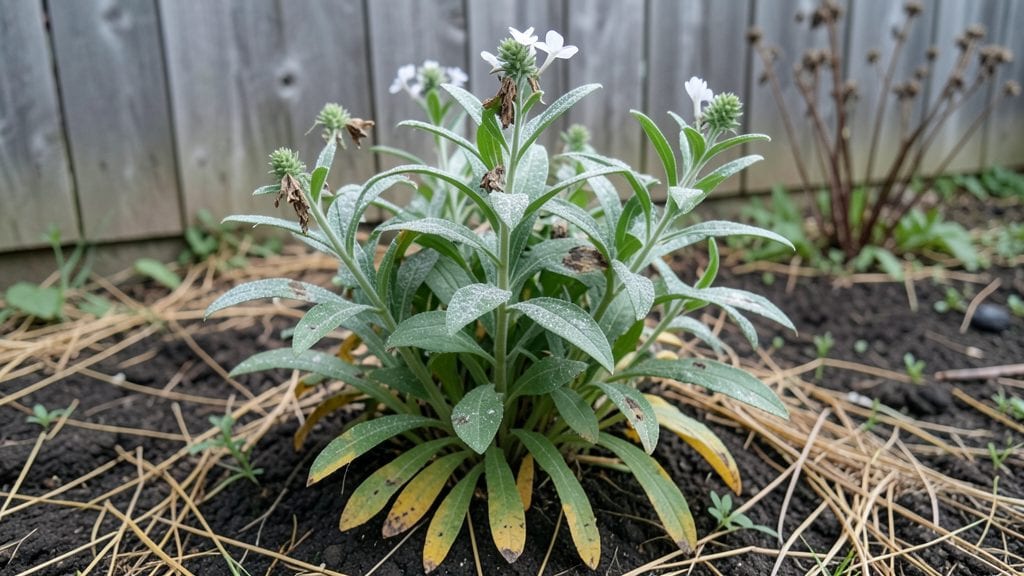
Phlox plant diseases can turn your vibrant blooms into a sad, spotted mess—unless you catch them early. 🌿 I’ve watched powdery mildew creep across my garden phlox like a white blanket, and leaf spots turn leaves into Swiss cheese before I could stop it.
The key to saving your phlox isn’t just sprays; it’s understanding what’s attacking it and how to outsmart the problem before it spreads.
Most phlox diseases—like powdery mildew, rust, or botrytis—start with poor air circulation, overwatering, or stressed plants. My phlox thrives now because I space them properly, water at the base (not overhead), and deadhead spent blooms to keep energy flowing upward.
Even organic gardeners need to act fast: once those white powdery spots appear, it’s already too late for prevention alone.
You’ll learn to spot the early signs—yellowing leaves, dark spots, or fuzzy growth—and how to treat them with simple fixes like neem oil, baking soda sprays, or copper fungicides. The goal isn’t just to cure the disease but to strengthen your phlox so it fights back next season.
With these tricks, your phlox will bounce back faster than you think.
Whether you’re dealing with a single infected plant or a whole border, the solutions here work for both organic and conventional gardeners. The secret? Acting before the disease takes over. Let’s get your phlox blooming healthy again.
Root causes behind phlox ailments
Understanding why phlox plants fall prey to diseases starts with recognizing their vulnerabilities. These vibrant perennials thrive in well-drained soil and full sun, but even the hardiest varieties can succumb to pathogens when conditions align just right.
Let’s break down the key factors that turn your phlox into a disease magnet—and how to avoid them.
Phlox plants grow in dense clusters, which can create a cozy environment for fungal spores—literally.
When foliage is packed too tightly, moisture lingers longer, and spores spread effortlessly from leaf to leaf. Powdery mildew and leaf spot diseases (like Septoria or Ramularia) thrive in these conditions because spores need just a thin film of water to germinate.
Why it happens:
- Genetics: Some phlox varieties (like tall garden phlox) have naturally bushier growth, trapping humidity.
- Gardener habits: Over-fertilizing with high-nitrogen feeds encourages lush, dense foliage that blocks airflow.
- Seasonal stress: Humid summers or rainy springs slow evaporation, keeping leaves damp for days.
Actionable fix:
- Space plants 18–24 inches apart to improve airflow.
- Prune one-third of the oldest stems in early spring to reduce congestion.
- Avoid watering overhead—use drip irrigation or soaker hoses to keep foliage dry.
Phlox roots need moisture, but soggy soil is a red flag for root rot (Phytophthora or Pythium) and foliar diseases. When roots suffocate, the plant weakens, making it an easy target for opportunistic fungi. Botrytis blight (gray mold) also flourishes in wet conditions, especially on senescing leaves.
Why it happens:
- Poor drainage: Clay-heavy or compacted soil traps water, while raised beds or containers can also retain moisture if drainage holes are clogged.
- Overwatering: Letting the top 1–2 inches of soil dry between waterings prevents fungal pressure.
- Monoculture gardening: Planting phlox in the same spot year after year exhausts soil microbes, leaving it vulnerable to persistent pathogens.
Actionable fix:
- Amend soil with compost or perlite to improve drainage.
- Plant phlox in slightly elevated beds or on slopes to prevent pooling.
- Rotate crops—avoid replanting phlox in the same spot for 3–4 years.
Aphids, Japanese beetles, and slugs don’t just munch on phlox—they create entry points for diseases. Chewed leaves and stems expose the plant to bacterial infections (like bacterial leaf spot) and fungal invaders. Even mites (tiny spider-like pests) can weaken phlox, making it susceptible to secondary infections.
Why it happens:
- Pest cycles: Beetles and aphids thrive in hot, dry weather, then multiply rapidly, overwhelming defenses.
- Weakened plants: Stressed phlox (from drought or poor soil) can’t fend off pests as effectively.
- Nighttime feeders: Slugs and snails target young shoots, leaving slime trails that harbor bacteria.
Actionable fix:
- Handpick beetles in the morning (drop them in soapy water).
- Use neem oil or insecticidal soap as a preventative spray.
- Set up beer traps for slugs or use copper barriers around beds.
Phlox are hardy, but sudden temperature shifts (like late spring frosts or scorching summer heat) shock the plant, lowering its resistance. Verticillium wilt, a soil-borne fungus, exploits these weak moments, clogging the plant’s vascular system and causing wilting—even in healthy-looking plants.
Why it happens:
- Early/late season frosts: Damaged leaves can’t photosynthesize, starving the roots.
- Heat stress: Temperatures above 85°F (29°C) for prolonged periods weaken cell walls, making them susceptible to sun scald and fungal infections.
- Transplant shock: Moving phlox without acclimating to new conditions stresses roots, inviting disease.
Actionable fix:
- Mulch heavily (2–3 inches of straw or wood chips) to regulate soil temperature.
- Avoid transplanting in extreme heat—do it in early spring or fall.
- Choose heat-tolerant varieties like ‘David’ or ‘Jeanne d’Arc’ phlox for hot climates.
Some diseases, like Fusarium wilt or Phytophthora root rot, hide in the soil for years, waiting for the right host. If previous phlox (or other susceptible plants like tomatoes or peppers) grew in the same spot, the pathogens may still be present, ready to infect new plants.
Why it happens:
- Pathogen persistence: Fungal spores can survive 5–10 years in dormant soil.
- Improper cleanup: Leaving infected plant debris in the bed spreads spores via wind or water.
- Contaminated tools: Pruners or shovels used on sick plants can transfer pathogens to healthy ones.
Actionable fix:
- Solarize the soil (cover with clear plastic for 4–6 weeks in summer) to kill pathogens.
- Disinfect tools with 70% rubbing alcohol or a 10% bleach solution between uses.
- Plant resistant varieties (e.g., ‘Blue Paradise’ phlox) if Fusarium is a known issue in your area.
Too much (or too little) of certain nutrients can weaken phlox, making them prime targets for disease.
For example: - Excess nitrogen promotes soft, succulent growth—perfect for powdery mildew. - Phosphorus deficiency stunts root development, leaving plants vulnerable to root rot. - Magnesium deficiency (yellowing between leaf veins) signals stress, inviting bacterial infections.
Why it happens:
- Over-fertilizing: Using high-nitrogen lawn fertilizer on phlox encourages rapid (but weak) growth.
- Improper pH: Phlox prefer slightly acidic soil (pH 6.0–7.0)—alkaline soil locks out essential nutrients.
- Micronutrient gaps: Zinc or iron deficiencies (common in clay soils) weaken cell walls.
Actionable fix:
- Test your soil (use a home kit or send to a lab) and amend as needed.
- Use balanced fertilizer (10-10-10 or 5-10-10) in early spring.
- Add chelated iron or Epsom salt (magnesium sulfate) if leaves show deficiency signs.
Quick fixes for common phlox ailments
Now that you’ve identified the trouble, let’s roll up our sleeves and get your phlox blooming beautifully again! 🌸 The good news? Most phlox diseases and pests can be managed with a mix of preventive care, targeted treatments, and smart garden habits.
Below, we’ll map out practical, step-by-step solutions for each issue—plus pro tips to keep your plants thriving long-term.
Fix: Cut, Clean, and Protect Fungal infections love damp, crowded conditions, but you can starve them out with these moves:
1. Prune Infected Foliage Immediately
🔪 - How: Use sterilized pruners (wipe with rubbing alcohol between cuts) to snip off yellowed, spotted, or powdery leaves—don’t compost them!
Toss in the trash. - Why: Removing infected parts stops spores from spreading to healthy growth. - Pro Tip: 💡 Prune in the morning when foliage is dry to avoid splashing spores.
2.
Boost Airflow and Light 🌬️☀️ - How: - Space phlox plants 12–18 inches apart (check your variety’s needs). - Thin out overcrowded clumps or divide mature plants every 3–4 years. - Avoid planting under dense shade—fungi thrive where leaves stay damp. - Why: Fungi spread via moisture.
Better airflow = faster drying = fewer spores.
3. Apply Fungicidal Sprays (Preventative & Curative) 🛡️
Best Options: - Baking soda spray (mix 1 tbsp baking soda + 1 tsp dish soap + 1 gallon water).
Spray every 7–10 days in the morning. - Neem oil (1 tbsp neem oil + 1 tsp mild soap + 1 quart water).
Spray weekly for rust or powdery mildew. - Copper fungicide (like Copper Soap) for severe leaf spot—follow label rates. - When: Start spraying at first sign of disease and repeat until symptoms fade (usually 2–3 weeks).
4. Water Wisely 💦
- How:
- Water at the base (avoid overhead sprinkling).
- Water early in the day so leaves dry by evening.
- Use drip irrigation or soaker hoses to keep foliage dry.
- Why: Wet leaves = fungal buffet. Keep them dry!
5. Soil Care for Long-Term Defense 🌱
- Amend soil with compost (improves drainage) and avoid heavy nitrogen fertilizers (they encourage lush, fungus-loving growth).
- Mulch lightly (1–2 inches) with straw or pine needles (not thick layers, which trap moisture).
Fix: Traps, Sprays, and Natural Predators
1.
Handpick or Blast Off Pests 👨🍳💦 - Japanese Beetles: - Morning handpicking (drop them in soapy water). - Blast with water from a hose to knock them off plants. - Aphids/Spider Mites: - Spray with strong water jet (disrupts their grip on leaves). - Rub off mites with a damp cloth or sponge.
2.
Use Traps and Barriers 🪲🛡️ - Japanese Beetle Traps: - Place commercial traps (like Spectracide) far from phlox (they attract more beetles if too close!). - Row Covers: - Drape fine mesh netting over young plants to block beetles until they bloom. - Sticky Traps: - Hang yellow sticky traps for aphids and whiteflies.
3.
Spray Natural Pesticides 🌿 - Neem Oil (1 tbsp + 1 tsp soap per quart water) – Spray every 5–7 days until pests vanish. - Insecticidal Soap (like Safer Brand) – Spray directly on pests (reapply after rain). - Horticultural Oil (for mites) – Apply when temps are above 50°F (avoid direct sun).
4. Encourage Beneficial Bugs 🐞🐝
- Plant nearby companions like marigolds, dill, or yarrow to attract ladybugs, lacewings, and parasitic wasps (they eat aphids and mites).
- Avoid broad-spectrum pesticides (they kill good bugs too!).
Fix: Isolate, Sterilize, and Revive
1. Remove and Destroy Infected Plants ⚠️🗑️
- Do NOT compost—bag and trash entire infected plants (including roots) to prevent soil spread.
- Sterilize tools with bleach or rubbing alcohol after pruning.
2. Improve Drainage 🚰
- Check soil: If it’s clay-heavy, mix in sand or perlite to improve drainage.
- Raise beds: If planting in containers, use well-draining potting mix (add orchid bark or coconut coir).
3. Adjust Watering Habits 💧
- Water deeply but infrequently—let the top 1–2 inches of soil dry between waterings.
- Avoid overhead watering (use drip lines or soaker hoses).
4. Apply Copper or Antibacterial Sprays 🛡️
- Copper fungicide (like Bonide Copper Fungicide) can help prevent bacterial spread.
- Hydrogen peroxide spray (3% solution, 1 tbsp per quart water) – Spray foliage and soil to reduce bacteria.
5. Prevent Recurrence 🔄
- Rotate crops—don’t replant phlox in the same spot for at least 3 years.
- Solarize soil (cover with clear plastic for 4–6 weeks in summer) to kill bacteria.
Fix: Shade, Hydration, and Gentle Care
1. Provide Afternoon Shade 🌳
- Temporary fix: Use shade cloth (30–50%) on hot afternoons (1–5 PM).
- Permanent fix: Plant near taller perennials or small trees for natural shade.
2. Water Deeply and Often 💦
- Morning watering (1–1.5 inches per week, including rain).
- Mulch heavily (3 inches of straw or wood chips) to retain moisture.
3. Avoid Fertilizing in Heat 🚫🌱
- Stop feeding until temps drop below 85°F—fertilizer burns roots in heat.
4. Prune for Better Airflow 🌬️
- Trim overly dense growth to reduce stress from crowded stems.
Once you’ve treated the issue, lock in long-term protection with these habits:
- Rotate plants every few years to prevent soil-borne diseases.
- Test soil pH (aim for 6.0–7.0)—acidic soil encourages some fungal issues.
- Deadhead spent blooms regularly to redirect energy to roots.
- Inspect plants weekly (flip leaves over—pests and diseases often hide there!).
- Buy disease-resistant varieties like Phlox paniculata ‘David’ or Phlox subulata ‘Scarlet Flame’.
Final Thought: 🎯 Most phlox problems are fixable with early action! The key is acting fast, improving growing conditions, and staying vigilant. With these solutions, your phlox will bounce back—and next season, they’ll be even more resilient. 🌺💪
Frequently asked questions about phlox plant diseases
What are the most common diseases affecting phlox plants?
Phlox commonly suffer from powdery mildew (white fungal coating), leaf spots (brown/yellow marks), rust (orange pustules), and botrytis blight (gray mold). Root rot from overwatering and bacterial leaf spot are also frequent issues. Early symptoms include yellowing leaves or fuzzy growth—act fast to prevent spread!
How can I tell if my phlox has a fungal disease vs. pest damage?
Fungal diseases show as powdery coatings, spots, or moldy growth on leaves, while pest damage includes chewed edges, holes, or sticky residue (aphid honeydew). Check leaf undersides for mites or beetle larvae. Fungal issues thrive in damp conditions, while pests often appear in dry, crowded plants.
Is baking soda really effective for treating phlox diseases?
Yes! A baking soda spray (1 tbsp baking soda + 1 tsp dish soap + 1 gallon water) works well for powdery mildew and early fungal signs. Spray in the morning every 7–10 days until symptoms fade. It’s organic, budget-friendly, and disrupts fungal spores without harming plants. Test on a small area first to avoid leaf burn.
Can I save a phlox plant that’s already heavily infected?
It depends on the disease. For fungal infections, prune all infected parts immediately and treat with fungicide. If it’s root rot or bacterial wilt, the plant may not recover—remove it completely to prevent spread. For mild cases, improve airflow, water at the base, and apply preventive sprays. Act fast to give your phlox a fighting chance!
What’s the best way to prevent phlox diseases next season?
Focus on airflow, drainage, and cleanliness: space plants 18–24 inches apart, avoid overhead watering, and mulch lightly. Sterilize tools between cuts, remove old plant debris, and choose disease-resistant varieties like ‘David’ or ‘Blue Paradise’. Start with healthy soil—amend with compost and test pH (aim for 6.0–7.0).