
Companion Plants
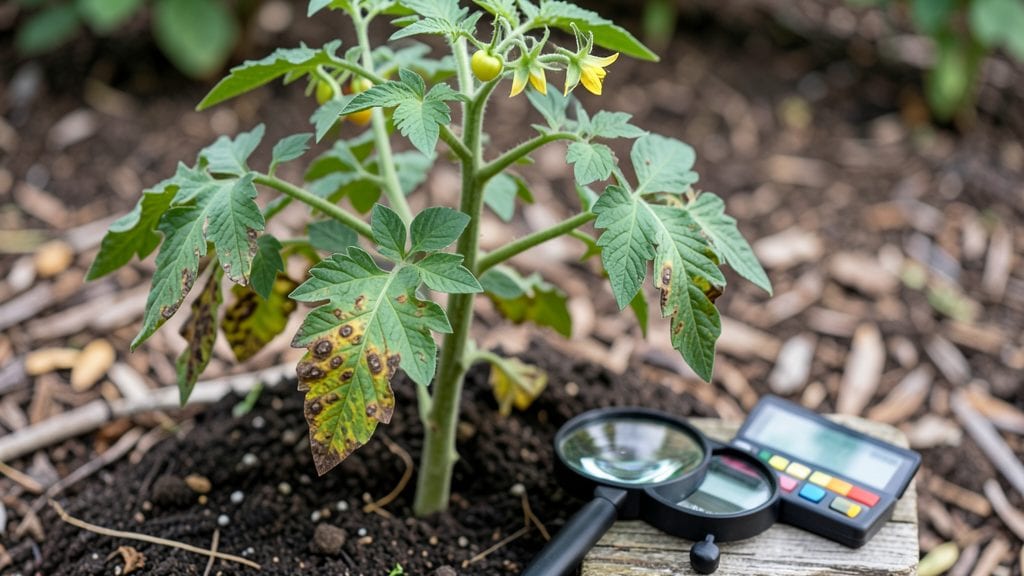
Diagnosing sick plants starts with the right questions—because every wilted leaf or yellowing stem tells a story, and I’ve learned to listen. 🌱 The key is matching symptoms to causes quickly, so you can act before the problem spreads.
Most gardeners panic when they see trouble, but the real skill is staying calm and checking just three things: water, light, and what’s actually touching the plant.
Here’s the game-changer: 90% of plant problems stem from overwatering, underwatering, or pests hiding in plain sight. I’ve saved dozens of plants by flipping them upside down to spot spider mites or checking the soil moisture with my finger—no fancy tools needed.
The faster you spot the issue, the faster you fix it, and that’s where quick fixes make all the difference.
You’ll walk away knowing exactly what to look for—crispy edges mean dry air, mushy stems mean rot, and sticky leaves mean sap-sucking pests. The solutions are simple once you know the culprit: adjust watering, tweak light, or introduce beneficial insects. No more guessing, no more lost plants.
This works for houseplants, vegetables, and flowers alike—no matter your skill level. Let’s turn those sad-looking stems into thriving green again, step by step.
Root Causes of Plant Decline
Understanding why plants turn sickly is the first step to reviving them. 🌱🔍 Most issues stem from environmental mismatches, biological stressors, or human errors—but the science behind them is surprisingly straightforward. Below, we break down the key culprits that turn lush greenery into a sad, drooping mess.
💧 The silent killer of houseplants
Plants need water, but too much is just as deadly as too little. When roots sit in soggy soil for too long, they suffocate due to lack of oxygen—a condition called anoxia.
This triggers: - Root rot (fungal/bacterial infections like Phytophthora or Pythium), which clogs root cells and blocks nutrient uptake. - Nutrient leaching, where excess water washes away essential minerals (like nitrogen, potassium, and magnesium) before roots can absorb them. - Toxic buildup of salts and chemicals (from tap water or fertilizers) in the soil, creating a hyper-concentrated, harmful environment.
Why it happens:
- Pot size mismatch: Small pots dry out faster, but they also trap moisture if overwatered.
- Compacted or clay-heavy soil: These materials don’t drain well, holding water like a sponge.
- Lack of drainage holes: Without escape routes, water pools at the bottom, drowning roots.
- Overzealous watering schedules: Many plants (like succulents or herbs) thrive on the "soak-and-dry" method—not constant moisture.
🍃 When the soil runs out of fuel
Plants are like athletes—they need the right nutrients and energy to perform.
When deprived, they show tell-tale signs of starvation: - Yellowing leaves (chlorosis): Often signals nitrogen deficiency (a building block of chlorophyll). - Purple or red stems/leaves: A cry for phosphorus (critical for energy transfer in cells). - Stunted growth or weak stems: Usually means potassium or magnesium is missing (key for structural support and enzyme function). - Brown leaf edges or "crinkling": Can indicate calcium deficiency, weakening cell walls.
Why it happens:
- Depleted soil: Over time, plants exhaust nutrients. Most potting mixes lack long-term fertility.
- Improper fertilization: Using only synthetic fertilizers (high in nitrogen) without balancing micronutrients (like iron, zinc, or manganese).
- pH imbalances: Soil that’s too acidic (low pH) or too alkaline (high pH) locks out nutrients. For example:
- Iron deficiency (yellow leaves with green veins) often occurs in alkaline soils because iron becomes unavailable.
- Manganese deficiency (light brown spots) thrives in acidic conditions.
- Ignoring seasonal needs: Fast-growing plants (like tomatoes or basil) need more frequent feeding than slow growers (like cacti).
🐜 The unseen invaders
Tiny but mighty, pests and pathogens can wreak havoc in days.
Here’s how they hijack your plants: - Sap-sucking insects (aphids, spider mites, whiteflies): - Weaken plants by draining sap, leading to stunted growth, curled leaves, or sticky honeydew (a feast for sooty mold). - Transmit viruses (like Tobacco Mosaic Virus), causing mosaic patterns on leaves or necrotic spots. - Fungal infections (powdery mildew, rust, blight): - Clog stomata (leaf pores), blocking gas exchange and causing white fuzzy coatings (powdery mildew) or orange pustules (rust). - Root-invading fungi (like Fusarium) enter through wounds, causing sudden wilting even when soil is moist. - Bacterial diseases (soft rot, fire blight): - Break down cell walls, leading to mushy, blackened stems or oozing lesions. - Spread via contaminated tools, water, or infected plant debris.
Why it happens:
- High humidity + poor airflow: Fungi and bacteria love damp, stagnant conditions (think: overcrowded plants or enclosed greenhouses).
- Stressed plants: Weakened by drought, poor soil, or nutrient deficits, they’re easier targets.
- Contaminated tools or soil: Reusing pots or pruners without sterilizing them can spread pathogens.
- Seasonal outbreaks: Pests like spider mites explode in hot, dry weather, while fungi thrive in cool, wet springs.
🌡️ When conditions go rogue
Plants are sensitive to their surroundings, and even small shifts can trigger distress.
Common offenders include: - Temperature extremes: - Cold drafts (from AC vents or open windows) can cause chilling injury, leading to blackened leaves or stunted growth. - Heat stress (above 90°F/32°C) slows photosynthesis, causing wilting or leaf scorch. - Light imbalances: - Too little light → Leggy, pale stems (etoliation) as plants stretch toward sunlight. - Too much direct sun → Sunburnt leaves (white/yellow patches, especially on succulents). - Wind or physical damage: - Strong winds can desiccate leaves (drying them out) or break stems. - Mechanical injury (like hail or rough handling) creates entry points for infections.
Why it happens:
- Misplaced plants: A shade-loving fern in direct sunlight or a sun-worshipper in a dim corner will suffer.
- Seasonal changes: Sudden temperature drops (like moving a tropical plant outside in fall) can shock roots.
- Improper acclimation: Hardening off seedlings too quickly or shocking houseplants with outdoor conditions causes stress.
🪴 The foundation fails
Healthy roots need aerated, balanced soil—not a brick-like or waterlogged mess.
Issues arise from: - Compacted soil: Poor aeration starves roots of oxygen, leading to slow growth or root death. - Toxic chemicals: Salinity buildup (from fertilizers or tap water) or metal toxicity (like aluminum in acidic soils) burns roots. - Improper soil mix: Pure peat or coconut coir (without perlite or sand) can hold too much water; heavy garden soil in pots bakes dry in summer.
Why it happens:
- Reusing old soil: After years, soil loses structure and compacts into a hardpan.
- Skipping organic matter: Without compost or worm castings, soil lacks microorganisms that help roots absorb nutrients.
- Ignoring pot material: Terracotta dries fast but plastic traps moisture, leading to root rot in heavy soils.
Quick Fixes for Common Plant Ailments
Now that you’ve identified what’s ailing your plants, it’s time to roll up your sleeves and get them back to their healthy, vibrant selves! Below are practical, step-by-step solutions tailored to each cause, along with prevention tips to keep your greenery thriving long-term. No green thumb required—just follow the steps!
Fix:
- Stop Watering Immediately 🚰 – Let the soil dry out completely before watering again. Stick your finger 1-2 inches into the soil; if it’s soggy, wait.
- Repot if Needed 🏺 – If roots are sitting in water (or the pot has no drainage holes), transfer your plant to a container with drainage holes and fresh, well-draining potting mix.
- Trim the Damage ✂️ – Snip off black, mushy stems and yellow leaves with clean scissors to prevent rot from spreading.
- Adjust Your Watering Routine 💧 – Water only when the top inch of soil is dry. Group plants with similar needs together to streamline care.
Prevention:
- Use pots with drainage holes (even for plants that like moisture, like ferns).
- Choose fast-draining soil mixes (add perlite or sand if needed).
- Mulch (like bark chips) to slow moisture evaporation.
- 💡 Pro Tip: If your plant is root-bound, it’s harder for roots to absorb oxygen—repot every 1-2 years to refresh the soil.
Fix:
- Water Deeply and Slowly 💦 – Soak the soil until water drains from the bottom of the pot. Avoid light sprinkles that only wet the surface.
- Mist the Leaves 🌧️ – For tropical plants (like ferns or calatheas), mist leaves daily to boost humidity and reduce transpiration.
- Prune Wilted Leaves 🌿 – Cut back crispy, brown edges to redirect energy to new growth.
- Move to a Shadier Spot 🌳 – If leaves are scorched, direct sunlight may be the culprit. Filtered light (like near a window with a sheer curtain) is often ideal.
Prevention:
- Group plants together to create a microclimate with higher humidity.
- Use a moisture meter to track soil dryness (aim for 40-60% moisture for most plants).
- 🌡️ Pro Tip: In dry climates, place a pebble tray with water under pots to increase humidity around the base.
Fix:
- Isolate the Plant 🏠 – Move it away from others to prevent infestations from spreading.
- Blast Off Pests 💨 – Spray leaves with soapy water (1 tsp mild dish soap + 1 quart water) or neem oil spray (1 tsp neem oil + 1 quart water + drop of soap).
- Wipe Down Leaves 🧽 – Use a damp cloth to remove spider mites, aphids, or mealybugs from stems and undersides.
- Introduce Beneficial Insects 🐞 – Ladybugs or lacewings devour pests naturally (available at garden centers).
Prevention:
- Inspect new plants before bringing them home (quarantine for 2 weeks).
- 🎯 Pro Tip: Keep your garden clean—remove fallen leaves and debris where pests hide.
- Rotate pest control methods to avoid resistance (e.g., alternate soapy water with insecticidal soap).
Fix:
- Adjust the Environment 🌡️ – Move plants away from drafts, heaters, or AC vents. Most houseplants thrive at 65-75°F (18-24°C).
- Boost Humidity 💧 – Place a humidifier nearby or use the pebble tray method (fill a tray with water and pebbles, set the pot on top).
- Mist Regularly 🌿 – For tropical plants, mist leaves 2-3 times daily in dry air.
- Avoid Cold Drafts ❄️ – Keep plants away from windows in winter (cold drafts cause shock).
Prevention:
- Group moisture-loving plants (like ferns and calatheas) together.
- 💡 Pro Tip: Use a hygrometer to monitor humidity—ideal levels are 40-60% for most plants.
Fix:
- Fertilize Properly 🌱 – Use a balanced liquid fertilizer (like 10-10-10) once a month in growing season (spring-fall). Dilute to half-strength to avoid burning roots.
- Repot with Fresh Soil 🏺 – If roots are crowded, repot into nutrient-rich potting mix (add compost or worm castings).
- Target-Specific Fixes 🎯 – - Yellow leaves? → Iron deficiency? Use an iron supplement or chelated iron spray. - Purple stems? → Phosphorus deficiency? Try a bone meal fertilizer. - Weak growth? → Nitrogen deficiency? Use a fish emulsion or seaweed extract.
Prevention:
- Test your soil (DIY kits are cheap and easy) to know what’s missing.
- 🌡️ Pro Tip: Over-fertilizing is worse than under-fertilizing—always follow package instructions and flush soil with water every 3 months.
Fix:
- Remove Infected Parts ⚰️ – Cut off spotted, moldy, or rotting leaves with sterilized scissors.
- Apply Fungicide 💊 – Use copper fungicide or baking soda spray (1 tsp baking soda + 1 quart water + drop of soap).
- Improve Airflow 🌬️ – Space plants apart and prune crowded foliage to reduce humidity buildup.
- Sterilize Tools 🧼 – Wipe scissors with rubbing alcohol between cuts to prevent cross-contamination.
Prevention:
- Water at the base (not overhead) to keep leaves dry.
- 💡 Pro Tip: Rotate plants occasionally so all sides get equal light and airflow.
- Trim for Health ✂️ – Always cut 1/4 inch above a leaf node to encourage new growth.
- Repot if Roots Are Crowded 🏺 – If roots circle the pot, it’s time for a bigger home.
- Be Patient 🕰️ – Some plants (like snake plants or ZZ plants) are slow to bounce back—don’t give up after a week!
🎯 Final Reminder: The key to happy plants is observation + consistency. Once you’ve treated the issue, stick to a routine (watering, light, humidity) to keep your green friends thriving! 🌿✨
Frequently asked questions
What are the first signs my plant is sick?
Look for yellowing leaves, wilting (even when soil is moist), spots or holes, or sticky residue on leaves. These often signal overwatering, pests, or nutrient deficiencies. Check the soil moisture with your finger—if it’s soggy, hold off on watering.
How do I tell if my plant needs more or less water?
Stick your finger 1-2 inches into the soil. If it’s dry, water deeply. If it’s still damp, wait. For succulents, let the soil dry completely between waterings. Yellow leaves with crispy edges usually mean underwatering, while mushy stems or moldy soil mean overwatering.
Can I save a plant with root rot?
Yes, but act fast! Remove the plant from its pot, trim black, mushy roots with sterilized scissors, and repot in fresh, well-draining soil. Skip watering for 3-5 days to let roots recover. If most roots are rotten, the plant may not survive—but try it anyway!
Why are my leaves turning yellow?
Yellow leaves usually mean overwatering, nutrient deficiency (like nitrogen), or root rot. Check the soil first—if it’s soggy, reduce watering. If leaves are yellow with green veins, it’s likely an iron deficiency (common in alkaline soils). Try a chelated iron supplement.
How do I prevent pests from spreading to other plants?
Isolate the infected plant immediately and quarantine new plants for 2 weeks. Wipe down leaves with soapy water, and use neem oil or insecticidal soap for treatment. Sterilize tools with rubbing alcohol, and avoid overcrowding plants to improve airflow.