
How To
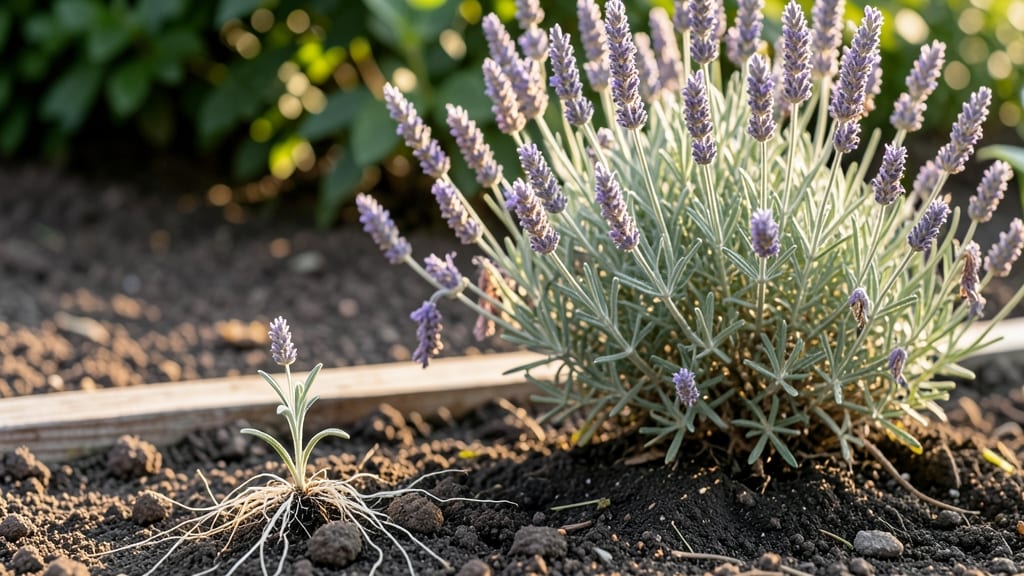
The right depth of planting can turn a struggling seed into a thriving plant 🌱 — and most gardeners don’t realize how much they’re getting wrong.
Planting seeds at the wrong depth can mean the difference between a thriving garden and wasted effort—yet most gardeners get this critical step wrong. Whether you’re burying tiny seeds too deep or leaving large ones half-exposed, the stakes are higher than you think.
Here’s the science: seeds need just enough darkness to sprout but not so much that they suffocate. Too shallow, and they dry out; too deep, and they’ll never break through. The solution? A simple rule based on seed size, soil type, and even your local climate.
In this guide, you’ll learn the exact planting depth for every type of seed, how to adjust for sandy vs. heavy soil, and the one mistake that kills more seedlings than any other. Ready to stop guessing and start growing?
How deep to plant seeds: the exact science behind proper seed depth
Getting the depth of planting right isn't just guesswork—it's a biological necessity. Seeds need the perfect balance of moisture, darkness, and oxygen to germinate. Plant too shallow, and they dry out; too deep, and they suffocate.
Even the seed's size determines its ideal depth, with tiny seeds needing light to sprout while larger ones require darkness. Understanding these principles will transform your germination rates and root development.
The seed's light requirements are often the biggest mystery. Some seeds, like lettuce or petunias, need light to germinate and should barely be covered. Others, like tomatoes or beans, thrive in darkness and need deeper planting.
Even soil moisture retention plays a role—sandy soils dry faster, requiring shallower planting, while clay holds moisture longer, allowing deeper placement. Let’s break down the science behind these rules.
| Plant Type | Seed Size | Recommended Depth | Light Requirement | Notes |
|---|---|---|---|---|
| Fine Seeds (e.g., lettuce, petunias) | 0.1" diameter | 1/8" to 1/4" | Light | Keep soil barely covering seeds |
| Small Seeds (e.g., carrots, radishes) | 0.2" diameter | 1/4" to 1/2" | Darkness | Sprinkle lightly over soil |
| Medium Seeds (e.g., beans, peas) | 0.3" diameter | 1" to 1.5" | Darkness | Firm soil after planting |
| Large Seeds (e.g., tomatoes, squash) | 0.5" diameter | 1.5" to 2" | Darkness | Plant deeper in heavy soils |
| Herbs (e.g., basil, parsley) | Varies | 1/4" to 1/2" | Light to Darkness | Check seed packet for specifics |
For vegetables like tomatoes, which have large seeds, planting them 1.5 to 2 inches deep ensures they have enough energy reserves to reach the surface. Meanwhile, delicate flowers like marigolds need only a light dusting of soil—just enough to hold moisture without smothering them. Even herbs like basil have specific needs, typically requiring 1/4 to 1/2 inch of coverage to strike the right balance.
The root development stage also dictates depth. Plants with shallow roots, like lettuce or spinach, shouldn’t be buried deeply, as their roots need quick access to nutrients near the surface. In contrast, deep-rooted plants such as carrots or parsnips require deeper soil to encourage long, straight roots.
The general rule? Plant seeds at a depth 2 to 3 times their diameter—this ensures they have enough room to grow without struggling.
Another critical factor is soil temperature. Cooler soils slow germination, so deeper planting can help maintain consistent moisture and warmth. Conversely, in hot climates, shallower planting prevents seeds from overheating.
For example, radishes, which germinate quickly, should be planted just 1/4 inch deep in warm soil to avoid drying out, while cabbage seeds can handle 1/2 inch of depth in cooler conditions.
Don’t overlook the role of seedling transplants. Unlike seeds, young plants already have established roots and need careful handling. When transplanting seedlings, bury them just enough to cover the root ball but leave the crown (where stems meet roots) above soil level.
This prevents rot while encouraging strong root growth downward. For instance, tomato seedlings should be planted with only the lower half of the stem buried to promote additional root development.
If you're growing in containers or raised beds, adjust your depth slightly. Container soils dry out faster, so shallow planting (even for larger seeds) may be necessary to keep moisture levels ideal.
Use a moisture meter or your finger to check soil depth—if the top inch feels dry, your seeds may be too shallow. Conversely, in heavy clay soils, deeper planting helps prevent waterlogging, which can suffocate roots.
One common mistake is assuming all seeds need the same depth. For example, pepper seeds require 1/4 inch of coverage, while squash seeds need 1 inch. Always check the seed packet instructions, as breeders often optimize depth for their specific varieties.
Even organic seeds or heirloom varieties may have unique requirements. When in doubt, err on the side of shallower planting—you can always add more soil later if needed.
Finally, pay attention to seed stratification needs. Some seeds, like lupines or some apple varieties, require a cold period to break dormancy. Planting them deeper in the fall ensures they experience natural stratification over winter, leading to better germination in spring.
This technique mimics their natural growth cycle and can dramatically improve success rates for tricky seeds.
Common mistakes in seed depth and how to fix them
Even experienced gardeners sometimes struggle with seed depth. Planting too shallow can leave seeds exposed to drying out, while burying them too deep may suffocate emerging sprouts. The key is understanding how seed size and plant type influence ideal depth—yet many overlook these details.
For example, tiny lettuce seeds need only a light dusting of soil, while carrot seeds should sit just beneath the surface. Misjudging depth often leads to wasted seeds and stunted growth.
One of the most common errors is ignoring the seed packet instructions. These guidelines aren’t just suggestions—they’re based on years of testing for that specific variety. Skipping this step can result in seeds that never sprout or plants that struggle from the start.
Another frequent mistake is assuming all seeds need the same depth. In reality, light-loving seeds like basil or petunias often require shallower planting, while darkness-dependent seeds like beans or peas need slightly deeper coverage to germinate properly.
⚠️
Burying seeds too deep (more than 3x their diameter) traps moisture and oxygen, causing seed rot or failure to sprout. Shallow planting (less than half their size) exposes seeds to drying out or bird predation. Always verify depth with the seed packet—most recommend 2-3x the seed’s width for optimal germination.
Watch for warning signs like slow germination or leggy seedlings, which often indicate incorrect depth. For instance, if your tomato seedlings grow tall and weak, they may have been planted too deep, forcing them to stretch toward light.
Conversely, if seeds lie dormant for weeks, they might need slightly more soil coverage. Adjusting depth based on these clues can save your garden from unnecessary losses.
For transplants, another common mistake is burying the stem too deeply, which can cause rot at the base. Always plant so the crown sits at soil level—the point where roots meet the stem. This ensures smooth transition from nursery to garden.
For example, when transplanting pepper plants, bury just enough soil to cover the roots without smothering the stem. A quick trick is to use your finger to mark the soil line before planting.
Climate also plays a role in depth adjustments. In sandy soils, seeds may need planting slightly deeper to retain moisture, while clay soils can be adjusted shallower to prevent waterlogging.
Always loosen the soil before planting to create an ideal environment for roots to establish. For container gardening, use well-draining mixes and reduce depth by 10-20% compared to in-ground planting.
Finally, consistency in moisture levels is crucial after planting. Seeds buried at the right depth still need regular watering to prevent drying out. Use a fine mist or gentle watering can to avoid displacing seeds.
For larger seeds like sunflower seeds, a deep soak after planting ensures they have the moisture needed to break through the soil. By mastering these depth adjustments, you’ll see healthier, more vigorous plants from day one.