
Companion Plants
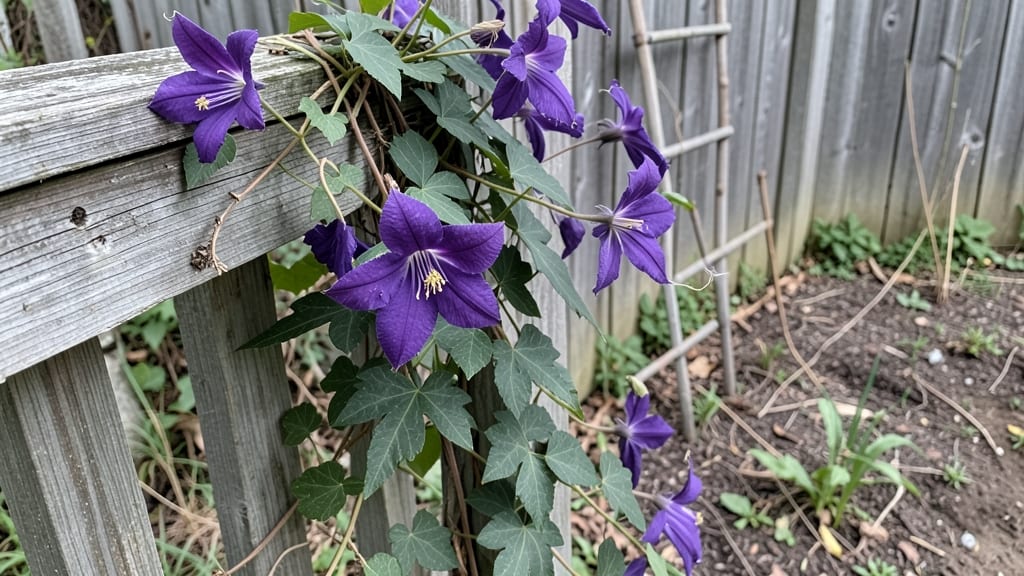
Deck rail plants transform an open deck into a cozy retreat without blocking views. 🌿 I’ve used trailing foliage to soften edges and create privacy—plants like sweet potato vine or creeping jenny spill over rails effortlessly, adding texture and movement.
The key is choosing varieties that thrive in containers or along narrow spaces, so they don’t overwhelm the structure or require constant pruning.
These plants work in sun or shade, depending on the variety, and most need just basic watering once established. Compact options like heuchera or sedum fit snugly in small pots, while climbers like clematis or star jasmine drape elegantly over railings.
The best part? They provide seasonal interest—spring blooms, summer foliage, and even winter evergreens if you pick the right mix.
Imagine stepping onto your deck and feeling instantly sheltered by lush greenery, yet still able to enjoy the breeze and distant views. With the right plants, you’ll create a layered look that feels intentional, not fussy. The payoff is a space that’s both functional and visually appealing, with minimal upkeep.
Whether you’re working with wood, metal, or composite railings, these plants adapt easily. Start with one or two varieties to test what suits your space best—then expand as you see what thrives. The transformation happens gradually, but the impact is immediate.
📚 In This Guide
- What you need
- Instructions
- Tips and common mistakes
- Wrapping up and next steps
What you need
- ● Deck rail plants: Choose low-maintenance, fast-growing varieties like Lonicera sempervirens (Coral Honeysuckle), Clematis, or Ivy (Hedera helix). Plan for 3–5 plants per 6-foot rail section (spaced 12–18 inches apart).
- ● Potting soil: 1–2 bags (50 lbs each) of high-quality, well-draining potting mix (e.g., Miracle-Gro Moisture Control).
- ● Containers or planters: Hanging baskets (10–14 inches wide) or deck rail planters (6–12 inches deep)—1 per 2–3 plants.
- ○ Drip trays or saucers (optional but recommended to prevent water damage).
- ● Fertilizer: Slow-release granular fertilizer (e.g., Osmocote Smart-Release) or liquid feed (e.g., Miracle-Gro All Purpose).
- ● Mulch: 2–3 inches of organic mulch (e.g., shredded bark or pine needles) to retain moisture.
- ● Garden gloves (to protect your hands from thorns or soil).
- ● Trowel or small shovel (for planting and soil prep).
- ● Pruning shears (to trim plants and encourage bushier growth).
- ● Watering can or hose with a gentle nozzle (for even hydration).
- ● Measuring tape (to ensure proper spacing).
- ○ Level (optional, to keep planters balanced on rails).
- ● Sunlight assessment: Confirm your deck’s light exposure (full sun, partial shade, or full shade) to select the right plants.
- ● Deck rail compatibility: Ensure your railings can support the weight of planters (most wood/vinyl rails handle 10–20 lbs per square foot).
- ● Drainage check: If using containers, verify they have drainage holes to prevent root rot.
- ● Local climate knowledge: Research hardiness zones (USDA Zone 5–10 for most deck rail plants).
- ● Self-watering planters (for travel or busy schedules).
- ● Decorative planter liners (to match your deck’s aesthetic).
- ● Plant supports (e.g., trellises for climbing plants like Clematis).
- ● Soil moisture meter (to track hydration needs).
- ● Seasonal blooms: Add annuals like petunias for pops of color (plant in spring/fall).
How to choose and plant deck rail plants for privacy
Here's my go-to approach for transforming deck railings into a lush, private screen with minimal upkeep.
🌱 Step 1: Select the Right Plants for Your Climate
For year-round privacy, I focus on evergreen shrubs that tolerate your hardiness zone. Dwarf varieties like Emerald Green Arborvitae or Dwarf Hinoki Cypress grow 3-4 feet tall—perfect for most railings. Check the mature height on the label to ensure it won't outgrow your space.
If you want seasonal interest, mix in Boxwood or Dwarf Yew for dense, glossy foliage. These plants stay green all winter and handle pruning well. Avoid fast-growing vines—they'll smother your deck and require constant maintenance.
🪴 Step 2: Prepare Railings and Planting Spots
Measure your railing length and divide by 12-18 inches—this gives you the ideal spacing for 4 plants (standard servings). Use a drill to create 2-inch diameter holes at each planting spot, just deep enough to accommodate the root ball. I like to pre-moisten the holes with warm water to help roots establish faster.
If your railing is made of wood or composite, add a 1-inch layer of landscape fabric over the holes to prevent soil from washing out. For metal railings, use a plastic plant basket with drainage holes—this keeps roots contained and protects the structure.
💧 Step 3: Plant and Secure Each Shrub
Remove each plant from its container and loosen the roots gently if they're circling. Place it into the hole so the top of the root ball sits 1 inch below the railing surface. Fill around the roots with the 3 gallons of potting mix you've mixed with 1 cup of slow-release fertilizer—this ensures steady growth without overfeeding.
Press the soil lightly with your fingers to remove air pockets, then water deeply until it drains from the bottom. For added stability, I tie each plant to the railing with soft plant ties (not wire—they cut into stems). This prevents wind damage while roots take hold.
☀️ Step 4: Water and Mulch for Long-Term Growth
Keep the soil consistently moist for the first 2 weeks—water every 2-3 days until the top inch feels damp. After that, water once a week unless your area experiences extreme heat. Mulch with 1 inch of shredded bark to retain moisture and suppress weeds.
Here's the thing—deck rail plants need 6+ hours of sunlight daily for best growth. If your deck is shaded, choose varieties like Dwarf Gardenia or Inkberry Holly, which tolerate lower light. Avoid overwatering once established—these plants prefer slightly dry soil over soggy roots.
✂️ Step 5: Prune and Maintain for Shape
Prune in early spring before new growth appears. Trim back any leggy stems or overgrown branches to encourage bushier growth. I use sharp bypass pruners to make clean cuts just above a leaf node. For a uniform look, shape plants after they've filled in—never prune more than ⅓ of the plant in one season.
Fertilize lightly in spring with a balanced 10-10-10 formula—just ½ teaspoon per plant. Over-fertilizing leads to weak, floppy growth. Watch for pests like spider mites (common on evergreens) and treat with neem oil if needed. With proper care, your deck rail plants will provide privacy for years with almost no effort.
Tips & tricks for perfect deck rail plants
These simple strategies will help you create a thriving, low-maintenance privacy screen that lasts for years.
Plant Selection Wisdom: When choosing between Emerald Green Arborvitae and Dwarf Hinoki Cypress, consider your climate. Arborvitae handles colder zones better, while Hinoki Cypress thrives in warmer areas. For a mix of textures, pair either with Boxwood—their glossy leaves add visual interest while maintaining that dense privacy. I've found that checking the mature height label prevents future headaches when plants outgrow their space.
Railing Preparation Secret: The 12-18 inch spacing between plants (for 4 plants total) creates that perfect balance of coverage without overcrowding. For metal railings, I've discovered that plastic plant baskets with drainage holes actually prevent rust buildup over time. Pro tip: Use a level when marking planting spots—uneven holes lead to uneven growth patterns that look messy after a year.
Planting Technique: That 1-inch depth for root balls might seem shallow, but it's crucial for proper drainage. I learned this the hard way when my first attempt had roots too deep, causing water pooling. When securing plants with soft ties, don't pull them too tight—just snug enough to prevent swaying. This prevents stem damage while still allowing natural growth movement.
Long-Term Care Strategy: The 2-week watering schedule is non-negotiable, but here's the thing about mulch: Apply that 1 inch of shredded bark right after planting, not later. It helps regulate soil temperature from day one. For extreme heat conditions, I've started watering every other day instead of weekly—just check the top inch of soil with your finger before deciding.
Pro Tips for Deck Rail Plants
- These simple strategies will help you create a thriving, low-maintenance privacy screen that lasts for years.
- Plant Selection Wisdom: When choosing between Emerald Green Arborvitae and Dwarf Hinoki Cypress, consider your climate.
- Railing Preparation Secret: The 12-18 inch spacing between plants (for 4 plants total) creates that perfect balance of coverage without overcrowding.
Frequently asked questions
Got questions about deck rail plants? You’re not alone! Here are some of the most common concerns—and straightforward answers—to help you get started with confidence.
What are the best deck rail plants for year-round privacy?
For lush, low-maintenance privacy, opt for evergreen varieties like Ligustrum (privacy hedges), Ilex crenata (boxwood), or Pittosporum. These stay green year-round and thrive in tight spaces. If you prefer seasonal interest, Abelia or Camellia offer blooms alongside foliage.
How long does it take for deck rail plants to grow into a solid privacy screen?
Most deck rail plants grow 12–24 inches per year, so a 6-foot-tall screen takes 3–5 years to fully mature. Fast-growing options like Bamboo (if non-invasive varieties are used) or Leyland Cypress can reach privacy height in 2–3 years. Patience pays off—thicker planting = faster coverage!
Are deck rail plants expensive to install and maintain?
Not necessarily! Many deck rail plants are budget-friendly—especially if you start with small, affordable shrubs. Maintenance costs are minimal: $50–$150/year for pruning, mulching, and occasional fertilizing. Pro tip: Choose native plants to cut back on watering and pest control!
Can I use deck rail plants in containers instead of planting them in the ground?
Container gardening works well for smaller decks or rentals. Use large pots (15+ gallons) with drainage and a well-draining potting mix. Dwarf varieties like Dwarf Gardenia or Compact Boxwood thrive in containers. Just remember: containers dry out faster—water consistently!
What should I do if my deck rail plants develop pests or diseases?
Start with prevention: Keep plants healthy with proper watering and spacing. If pests (like aphids or spider mites) appear, spray with neem oil or insecticidal soap. For fungal issues (e.g., powdery mildew), improve airflow and treat with copper fungicide. Pro tip: Inspect plants weekly during growing season!
Do deck rail plants survive winter in cold climates?
Most evergreen deck rail plants are hardy to USDA Zones 5–9, but some (like Camellia) need winter protection in colder areas. Use burlap wraps or mulch heavily around the base. Deciduous options (like Forsythia) drop leaves but regrow in spring—great for seasonal interest!
Wrapping up and next steps
Deck rail plants offer the perfect blend of privacy, beauty, and ease—ideal for transforming your outdoor space without the fuss! 🌿 With their low-maintenance foliage and year-round appeal, they’re a game-changer for any deck or patio.
Whether you’re a seasoned gardener or just starting out, these plants make it simple to create a lush, cozy retreat.
Ready to elevate your outdoor oasis? Start small—pick 1-2 plants to test your space, then expand as you gain confidence. Happy planting! 🌱