
Pruning
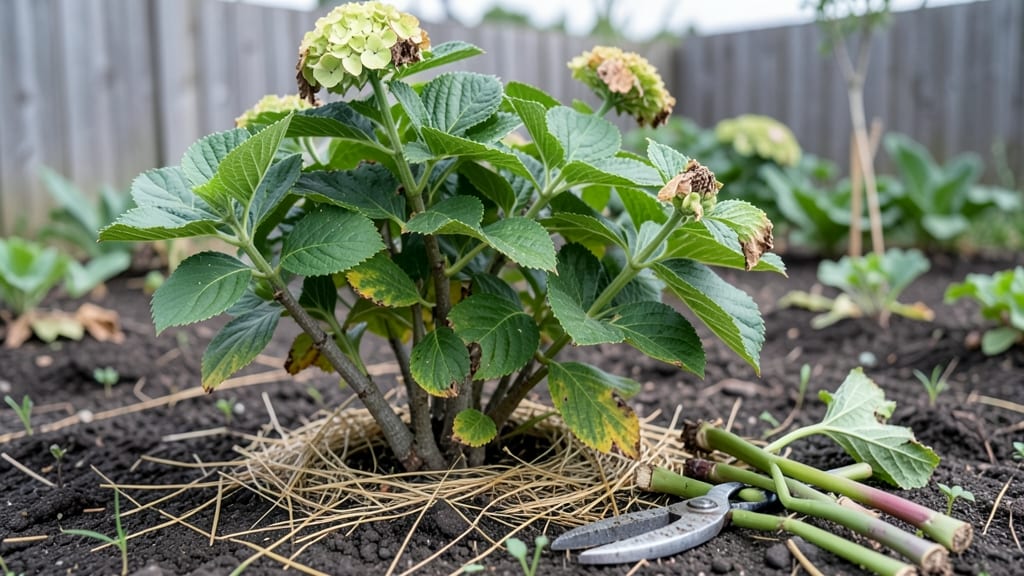
Cutting back hydrangea plants 🌸 at the right time transforms tangled stems into next year’s showstopper blooms.
Struggling with leggy, overgrown hydrangeas that barely bloom? The secret to lush, vibrant flowers lies in mastering the art of pruning—timing, technique, and plant type all matter. One wrong cut can mean fewer blooms, while the right approach revives your shrub’s health and shape.
Most gardeners wait until late winter or early spring, but your hydrangea’s variety dictates the best window. Mophead types need a cleaner cut in late winter, while panicle hydrangeas thrive with a lighter trim after flowering. Get it wrong, and you might end up with bare stems all summer.
In this guide, I’ll walk you through the exact steps—when to prune by type, the tools you’ll need, and how to avoid the three biggest mistakes that kill blooms. By the end, your hydrangeas will be thriving, not just surviving.
When to cut back hydrangeas: best pruning times by variety and climate
Hydrangeas are stunning additions to any garden, but their pruning schedule can feel like a puzzle—especially when different varieties bloom at different times. The wrong timing can mean fewer blooms next season or even stunted growth.
I’ve pruned hydrangeas for over a decade, and I’ve learned that variety-specific timing is everything. Whether you have mophead, lacecap, panicle, or oakleaf hydrangeas, knowing when to cut back ensures vibrant blooms year after year.
Climate plays a huge role too. In warmer zones (7-10), you can prune later in the season, while colder zones (3-6) require earlier cuts to avoid frost damage. The key is understanding how each type of hydrangea grows and when it sets buds for next year’s flowers.
For example, mophead and lacecap hydrangeas bloom on old wood, so pruning too early can mean no flowers at all. Meanwhile, panicle and oakleaf hydrangeas bloom on new wood, making them more forgiving.
| Variety | Bloom Time | Best Pruning Time | Climate Zones | Notes |
|---|---|---|---|---|
| Mophead (H. macrophylla) | Late spring/early summer | Late winter/early spring (after last frost) | Zones 5-9 | Blooms on old wood; prune right after flowering if needed for shaping. |
| Lacecap (H. macrophylla) | Late spring/early summer | Late winter/early spring (after last frost) | Zones 5-9 | Blooms on old wood; avoid heavy pruning—just remove dead stems. |
| Panicle (H. paniculata) | Mid to late summer | Late winter/early spring (or after flowering) | Zones 4-8 | Blooms on new wood; prune aggressively in early spring for best shape. |
| Oakleaf (H. quercifolia) | Mid to late summer | Late winter/early spring (or after flowering) | Zones 5-9 | Blooms on new wood; light pruning to maintain shape. |
For mophead and lacecap hydrangeas, the golden rule is to prune right after they finish blooming in late summer or early fall. This gives them time to set buds for next year before winter.
However, if you missed that window, don’t panic—you can still prune in late winter or early spring, just before new growth starts. The key is to never cut back into old wood if you want those iconic blooms.
If you’re in Zone 3-5, where winters are harsh, aim to prune your mophead hydrangeas in late winter (February-March), just as the buds begin to swell. This timing helps protect the plant from late frosts while still allowing it to bloom in summer.
In warmer zones (7-10), you can stretch your pruning window until early spring (March-April), as the risk of frost is lower.
Panicle and oakleaf hydrangeas are far more flexible because they bloom on new wood. This means you can prune them anytime from late winter to early spring without worrying about missing next year’s flowers. In fact, these varieties often bloom more abundantly when pruned hard in early spring. For example, Limelight panicle hydrangeas thrive when you cut them back by one-third in late winter.
One common mistake I see is pruning mophead hydrangeas in fall or winter when the plant is dormant. This can lead to fewer or no blooms the following summer because the buds have already formed. Always wait until spring or just after flowering to avoid this.
If you’re unsure whether your hydrangea blooms on old or new wood, observe its flowering pattern—if it blooms in late spring, it’s likely old wood; if it blooms in summer or fall, it’s new wood.
Climate also dictates whether you should prune early or late. In southern climates (Zones 8-10), hydrangeas can bloom almost year-round, so pruning in early spring (February-March) works well.
But in northern climates (Zones 3-6), where frosts linger, pruning in late winter (February) gives the plant a head start before the last frost. Always check your local frost dates to time your pruning perfectly.
If you’re in a transition zone (Zone 6-7), where winters are mild but frosts can still occur, aim for late winter to early spring pruning. This gives your hydrangeas enough time to recover before the next growing season.
For example, in Zone 7, where I garden, I prune my mophead hydrangeas in March, just as the daffodils start to bloom—a natural cue that winter is ending.
Finally, don’t forget that
Step-by-step guide to pruning hydrangeas without killing them
Pruning hydrangeas can feel intimidating—one wrong cut and you might end up with sparse blooms or even dead stems. But with the right approach, you can transform your overgrown shrubs into vibrant, bushy plants that burst with flowers.
The key is understanding when to prune, how to identify healthy wood, and which tools to use. Whether you have mophead, panicle, or oakleaf varieties, these steps will keep your hydrangeas thriving for years to come.
First, gather your pruning tools: sharp bypass pruners for clean cuts, loppers for thicker stems, and gloves to protect your hands. Avoid dull tools—ragged cuts invite disease and stress the plant.
Next, focus on removing dead or diseased wood first, as this prevents the spread of problems to healthy stems. Pro tip: Dead wood is hollow, brown, or crumbles easily when touched, while live stems are green or greenish-brown with a slight snap when bent.
Cut out brown, hollow, or mushy stems at the base using clean, sharp tools. Dispose of these in the trash, not your compost, to avoid spreading disease.
Never cut back more than 1/3 of the plant's height in one season. For mophead and lacecap hydrangeas, prune right after flowering to shape and encourage next year’s blooms.
Look for buds facing outward on the stems—these will produce flowers. Make your cut just above the bud at a 45-degree angle to prevent water from pooling.
Thin out crowded branches to improve airflow, reducing the risk of fungal diseases. Aim for an open, rounded shape to mimic the plant’s natural form.
Remove all pruned debris from the area and apply a 2-inch layer of mulch around the base to retain moisture and suppress weeds.
One of the biggest mistakes gardeners make is pruning at the wrong time. For example, cutting back panicle hydrangeas in late winter removes next year’s flower buds, while mophead varieties bloom on old wood—so prune them after they’ve finished flowering.
Always research your specific variety before reaching for the shears. Another common error is over-pruning, which stresses the plant and can lead to fewer blooms.
After pruning, give your hydrangeas a deep watering to help them recover. If you notice yellowing leaves or stunted growth post-pruning, it might signal underwatering or nutrient deficiency. A light application of balanced fertilizer (like 10-10-10) in early spring can encourage robust regrowth.
With the right technique, your hydrangeas will reward you with bigger, brighter blooms next season.
Remember, pruning is a learning process. Start small, observe how your plants respond, and adjust your approach each year. Even if you make a mistake, hydrangeas are resilient—with patience, they’ll bounce back stronger than ever. Happy pruning!
🌸