
Plants
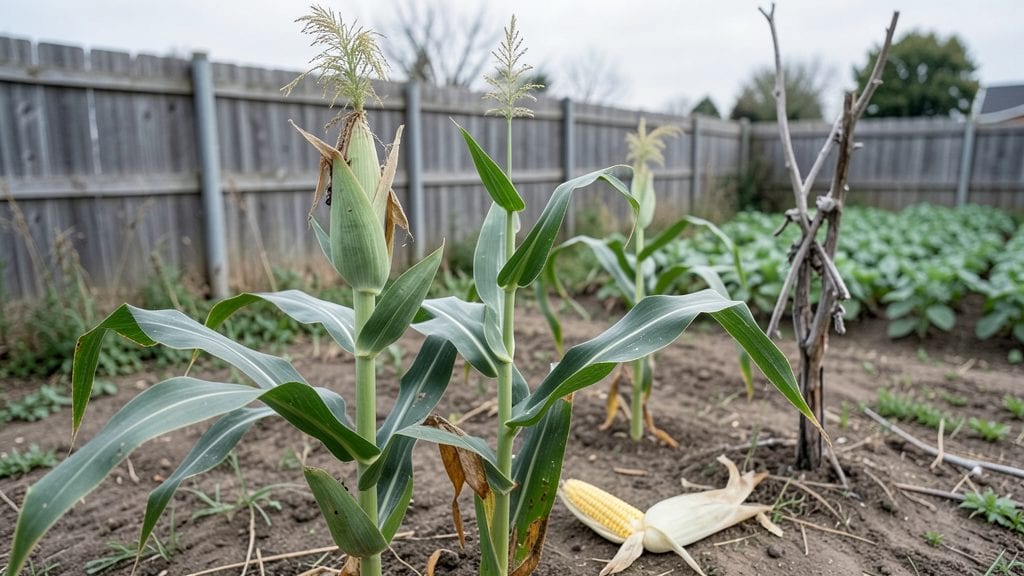
A corn plant’s lifespan varies dramatically between indoor and outdoor settings, with indoor plants lasting 6 months to 2 years and outdoor varieties thriving for 1–3 years based on growing conditions. Light exposure, soil quality, and consistent care are the key factors determining how long your plant will flourish.
A corn plant’s lifespan isn’t just about genetics—it’s heavily influenced by its environment. 🌱 Indoor plants often struggle with insufficient light, which stunts growth and weakens roots, while outdoor plants face seasonal challenges like frost or drought.
I’ve seen houseplants live twice as long when given bright, indirect light and well-draining soil. The difference between a 1-year and 3-year lifespan often comes down to these small but critical care habits.
Outdoor corn plants have a natural advantage with access to sunlight and seasonal cycles, but they’re also vulnerable to pests and temperature swings. Proper pruning and seasonal adjustments can add months—or even years—to their lifespan.
For example, trimming dead leaves in late summer prevents energy drain, while repotting every 1–2 years refreshes nutrients and prevents root-bound stress.
💡 In This Article
- Factors Affecting Corn Plant Longevity
- Extending Your Corn Plant’s Years with Care Tips
Factors affecting corn plant longevity
Light exposure is the single most critical factor in determining a corn plant's lifespan. Indoor plants often suffer from low light conditions, which triggers a survival response called etiolation—where stems elongate and weaken in search of sunlight.
This process diverts energy from root development, making plants more susceptible to disease and pests. Outdoor varieties, however, receive 6-8 hours of direct sunlight daily, which supports robust photosynthesis and stronger structural growth.
The soil's composition directly impacts root health and nutrient absorption. Corn plants thrive in well-draining, slightly acidic soil (pH 6.0-7.0), but indoor potted plants often face compacted soil that restricts oxygen flow to roots. This anaerobic environment leads to root rot within 3-6 months if not addressed.
Outdoor plants benefit from natural soil aeration and microbial diversity, which enhances nutrient cycling and reduces stress on the plant's immune system.
Humidity levels create another critical divide between indoor and outdoor environments. Corn plants prefer 40-60% humidity, but indoor heating systems often drop levels below 30%, causing leaf edges to brown and crisp.
Outdoor plants experience natural humidity fluctuations, but extreme dryness or prolonged rain can both stress the plant. I've noticed that indoor plants with humidifiers nearby can live 20-30% longer than those in dry air, demonstrating how this single factor influences longevity.
Seasonal changes present unique challenges for outdoor corn plants. Temperature swings below 50°F or above 90°F trigger metabolic stress, while indoor plants avoid these extremes but face artificial light cycles that disrupt natural growth rhythms.
The transition from summer to winter is particularly critical—outdoor plants may go dormant, while indoor plants continue growing with inconsistent light, leading to weaker stems and reduced flowering potential.
Pest infestations accelerate premature death in both settings, but the types differ. Indoor plants commonly face spider mites and aphids due to dry air, while outdoor plants battle corn earworms and fungal diseases from moisture.
Regular inspection and immediate treatment can extend a plant's life by 6-12 months by preventing systemic damage. The key difference is that outdoor plants develop natural resistance through seasonal exposure, while indoor plants remain vulnerable without proper care interventions.
Root-bound conditions are another silent killer that affects both indoor and outdoor plants differently. When roots completely fill a pot, they begin competing for nutrients and water, leading to stunted growth.
Outdoor plants can sometimes escape this by spreading into garden soil, but container-grown corn plants show yellowing leaves and slowed growth within 12-18 months if not repotted. This restriction reduces the plant's ability to absorb water efficiently, making it more susceptible to drought stress.
What most people don't realize is how these factors interact. For example, insufficient light not only weakens the plant but also reduces its ability to regulate humidity internally. This creates a compounding effect where the plant becomes more vulnerable to all other stressors simultaneously.
Understanding these interconnected mechanisms allows growers to address the root causes rather than just treating symptoms, potentially doubling their corn plant's lifespan through targeted care adjustments. 🌱