
How To
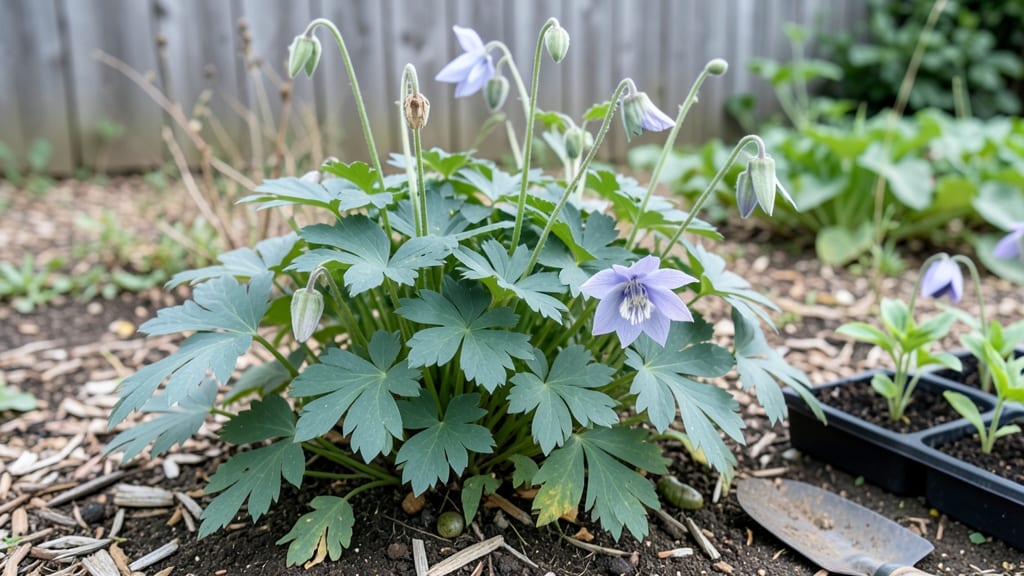
Follow these columbine planting instructions to coax shockingly lush blooms from your sunny garden—hummingbirds will thank you—here’s how to set them up for success. 🌿 I’ve learned these delicate-looking flowers actually thrive with minimal fuss once you nail the right light, soil, and spacing.
The key? Mimicking their natural rocky meadow habitat, which means well-draining soil and a spot where they won’t compete with aggressive roots.
You’ll need well-draining soil mix (equal parts garden soil, compost, and coarse sand), columbine seeds or transplants, and a sunny location with at least 6 hours of sunlight daily.
Plant seeds ¼ inch deep in early spring or fall, spacing them 12–18 inches apart—they’ll self-seed happily if you let them. For transplants, dig holes twice as wide as the root ball and water deeply before backfilling.
After planting, keep the soil consistently moist but never soggy for the first few weeks, then taper off to water only during dry spells. Columbines reward patience with vibrant red, blue, or yellow blooms from late spring through summer, often reblooming if you deadhead spent flowers.
The secret weapon? Let the foliage stay through winter—it protects the crown from frost damage.
For extra drama, pair them with catmint or lavender to deter deer while adding complementary colors. Avoid rich, heavy soil—they’ll flop. In Zone 3–8, these perennials return year after year with almost no effort. Ready to grow a hummingbird magnet? Let’s get those seeds in the ground!
📚 In This Guide
- What you need
- Instructions
- Tips and common mistakes
- Wrapping up and next steps
What you need
- ● Columbine seeds or seedlings: Choose Aquilegia varieties like ‘Black Barlow’ or ‘Nancy’s Dream.’ Buy 10–20 seeds or 3–5 young plants for a vibrant display.
- ● Well-draining potting mix: 1–2 bags (10–15 quarts each) for containers or blend with garden soil for in-ground planting.
- ● Compost or organic fertilizer: 1–2 cups per planting area (5-10-5 ratio works well).
- ○ Mulch (optional but recommended): 2–3 inches of shredded bark or straw to retain moisture and deter weeds.
- ● Garden trowel or small shovel: For digging holes (6-inch depth for seeds, 12 inches for transplants).
- ● Gloves: A pair to protect your hands from soil and thorns (some varieties have them!).
- ● Watering can or hose with a gentle spray nozzle: Columbines hate soggy roots!
- ● Measuring tape or ruler: To space plants 12–18 inches apart (or 6–8 inches for seeds).
- ● Sunlight: Partial shade (3–6 hours of morning sun) is ideal—avoid harsh afternoon rays.
- ● Soil pH: Test or amend to 6.0–7.5 (slightly acidic to neutral).
- ● Water source: Access to water for the first 2 weeks (keep soil consistently moist, not waterlogged).
- ● Patience: Seeds may take 10–14 days to germinate; transplants bloom in 60–90 days.
Step-by-step instructions for planting columbine in sunny spots
Here's the foolproof method I use to coax those iconic nodding blooms into thriving—no guesswork required.
🌱 Step 1: Choose the Perfect Planting Site
Columbine thrives where it gets 4-6 hours of morning sun followed by afternoon shade—this prevents leaf scorch while satisfying their need for bright light. I always test the spot by observing how quickly it dries after watering; if the soil stays damp for more than 24 hours, your location is too shady or poorly drained.
Dig a hole twice as wide as the root ball but only as deep as the container's base. Loosen the sides of the hole with your fingers to encourage root spread. The key here is avoiding compacted soil—columbine roots need room to establish before the first frost.
🪴 Step 2: Prepare the Soil and Position the Plant
Amend the native soil with 2-3 inches of compost mixed into the bottom of the hole. Columbine tolerates lean soil but rewards you with bigger blooms when given organic matter. Place the plant so the top of the root ball sits ½ inch below soil level—this prevents crown rot while keeping the plant stable.
Backfill with the amended soil, pressing gently around the edges to remove air pockets. Water immediately after planting to settle the soil and eliminate gaps. You'll see the soil surface firm up slightly—that's your signal the roots are making contact.
☀️ Step 3: Water and Mulch for First-Year Establishment
Water deeply once a week during the first growing season, aiming for 1-2 inches of moisture per week. Let the top 2 inches of soil dry between waterings to prevent root rot. I use a rain gauge to track moisture—columbine hates soggy feet but won't tolerate drought either.
Apply 2-3 inches of mulch around the base, keeping it 3 inches away from the stem. Organic mulch like shredded bark conserves moisture and regulates soil temperature. Replenish mulch annually in spring—this ensures consistent protection against temperature swings.
✂️ Step 4: Prune and Maintain for Long-Term Blooms
Deadhead spent blooms by cutting stems back to the nearest leaf node. This redirects the plant's energy into producing more flowers rather than setting seed. I prune in the morning when stems are stiff—this reduces stress on the plant and prevents disease entry points.
After flowering, cut back the entire plant by ⅓ its height in early summer. This encourages a second flush of blooms and keeps the plant compact. Avoid heavy pruning after mid-summer; columbine needs time to harden off before winter.
⏰ Step 5: Overwinter for Next Season's Performance
Columbine is cold-hardy but benefits from a 2-inch layer of mulch after the first frost. This protects the crown from temperature fluctuations. I mark planting locations with small flags—next spring, you'll see new growth emerging before the last frost date.
Fertilize lightly in early spring with 5-10-10 granular fertilizer scattered around the base. Water thoroughly to activate the granules. Avoid high-nitrogen fertilizers—they produce lush foliage at the expense of blooms, which is the whole point of growing columbine!
Tips & tricks for perfect columbine planting in sunny spots
These insights will help you transform your sunny garden corner into a columbine oasis with minimal fuss and maximum impact.
Sunlight Strategy: The 4-6 hours of morning sun is non-negotiable for vibrant blooms, but here's the thing: if your spot gets intense afternoon sun, create temporary shade with a sheer fabric or dappled shade from nearby trees. I've seen columbine plants in full sun locations wilt dramatically by mid-afternoon—this simple adjustment can make all the difference. The key is maintaining that balance where leaves stay cool but still get enough light for photosynthesis.
Soil Preparation Secret: When amending with 2-3 inches of compost, don't just dump it in the hole—mix it thoroughly with the native soil. I like to create a "compost sandwich" by placing a 1-inch layer at the bottom, then another after backfilling halfway. This creates an ideal root environment where columbine can establish quickly. The roots will naturally seek out this nutrient-rich zone, giving you stronger plants that bloom more prolifically.
Watering Wisdom: That 1-2 inches of weekly moisture is crucial, but timing matters just as much. Water in the morning so leaves have all day to dry, preventing fungal issues. I've found that using a soaker hose placed 6 inches from the plant delivers water exactly where the roots need it, without wetting the foliage. This targeted approach prevents both overwatering and underwatering—two common pitfalls that stunt growth.
Pruning Precision: When cutting back by ⅓ in early summer, focus on removing only the oldest stems first. This preserves the plant's structure while encouraging new growth. I use clean, sharp pruners and make cuts at a 45-degree angle just above a leaf node—this technique promotes faster healing and prevents disease. The morning timing recommendation in the instructions can't be overstated; pruning when stems are stiff reduces stress on the plant and gives you cleaner cuts.
Pro Tips for Columbine Planting Instructions
- These insights will help you transform your sunny garden corner into a columbine oasis with minimal fuss and maximum impact.
- I've seen columbine plants in full sun locations wilt dramatically by mid-afternoon—this simple adjustment can make all the difference.
- Soil Preparation Secret: When amending with 2-3 inches of compost, don't just dump it in the hole—mix it thoroughly with the native soil.
Frequently asked questions
Got questions about growing columbines? You’re not alone! Here are answers to the most common queries to help you cultivate a thriving garden display.
When is the best time to plant columbines?
Columbines thrive when planted in early spring or early fall. This timing avoids extreme heat or frost, giving roots time to establish before summer or winter stress. For cooler climates, spring planting is ideal, while warmer zones benefit from fall’s mild temperatures.
How long does it take for columbines to bloom after planting?
With patience, you’ll see blooms in 60–90 days from planting, assuming ideal conditions. Established plants may rebloom in late summer if deadheaded. Young plants might take a year to reach full flowering potential, but their delicate charm is worth the wait!
Can I grow columbines in containers or hanging baskets?
Columbines adapt well to containers as long as the pot has drainage holes and well-draining soil. Choose a basket with depth (at least 6–8 inches) and place it in partial shade. Just keep soil consistently moist—containers dry out faster than garden beds.
Why aren’t my columbines blooming this year?
Common culprits include overcrowding, poor sunlight (they need 4–6 hours of sun), or excessive fertilizer (which encourages foliage over flowers). Try pruning spent blooms, dividing mature clumps, or moving to a sunnier spot. Patience helps—some varieties bloom sporadically!
Are there drought-tolerant columbine varieties?
Yes! Native species like Aquilegia canadensis (wild columbine) and Aquilegia formosa handle drier conditions better than hybrids. Once established, most columbines develop moderate drought tolerance, but mulching and occasional watering during dry spells keeps them happier (and blooming longer).
How do I protect columbines from pests or diseases?
Columbines are generally low-maintenance, but watch for slugs (they love young leaves!) and powdery mildew in humid climates. Improve airflow, avoid overhead watering, and handpick pests. For slugs, use organic barriers like copper tape or diatomaceous earth.
Wrapping up and next steps
Planting columbines is a rewarding way to bring vibrant color and whimsical charm to your garden! 🌸 With the right sunlight, soil, and care, these delicate blooms will thrive and brighten your outdoor space for years.
Whether you’re a seasoned gardener or a beginner, follow these simple steps to enjoy a stunning display of red, pink, or purple flowers.
Ready to get started? Grab your gloves, pick a sunny spot, and dive in! Your future blooms will thank you—happy planting! 🌿